Floral Colognes for Men: The Confidence to Wear Flowers
By Kershen Teo, Founder & Perfumer, Prosody London — Updated November 2026
At a Glance — Floral Colognes for Men
A floral cologne for men is nothing new. Here is this guide in short: where flowers sit in the history of men’s fragrance, which florals feel most familiar, and how to wear one with confidence.
| Question | Short answer |
|---|---|
| Can men wear floral cologne? | Yes. Floral notes have been part of men’s fragrance since the first eau de cologne in 1709. |
| Which florals feel most familiar? | Fresh florals that sit close to citrus: neroli, orange blossom, lavender and freesia. |
| What stops a floral feeling soft? | Spice and wood underneath, such as clove, cedar and resins. |
| How should I wear it? | Two or three sprays on skin, and judge it after twenty minutes. |
| Our floral cologne for men | Paper Flower Fan: citrus, freesia and neroli over ylang ylang, clove and vanilla. |
Plenty of men say they don’t wear florals. Most of them already do. If the cologne on your shelf contains lavender, neroli, orange blossom, geranium or rose, it has flowers in it. The flowers are simply rarely mentioned on the box.
This guide is about wearing flowers on purpose: choosing a floral cologne for men because you want one. It covers where floral notes sit in the history of men’s fragrance, why they came to be seen as feminine, and how to choose and wear a floral cologne without second-guessing it. The confidence part is simpler than it sounds: it means choosing a smell because you like it, and not apologising for it.
Men have always worn flowers
Cologne began as a floral-citrus composition. The eau de cologne Johann Maria Farina launched in Cologne in 1709 set the pattern the style still follows: citrus at the top, with neroli, lavender and rosemary underneath. Both men and women wore it, and nobody thought the neroli made it a woman’s scent.
A century and a half later, a lavender fragrance shaped men’s perfumery for good. Houbigant’s Fougère Royale (1882) combined lavender with coumarin and oakmoss. That structure became the fougère family, the backbone of the barbershop scent and of a great deal of men’s fragrance in the twentieth century. At its centre is a flower.
Men wore flowers on their clothes as well. The buttonhole carnation was standard formal dress, and Oscar Wilde had friends wear green carnations to the premiere of Lady Windermere’s Fan in 1892. Carnation is a good example of how blurred the lines are: its spicy smell comes largely from eugenol, the same molecule that dominates clove.
Why florals came to read as feminine
In my view, the materials never changed; the marketing did. Over the twentieth century, fragrance counters split by gender. Big white florals and powdery roses became the shorthand for women’s perfume, while men’s counters were built around citrus, woods, leather and fougères. The lavender, geranium and neroli in those men’s fragrances stayed. They just stopped being called florals.
The word “cologne” doesn’t help. It is often used to mean “fragrance for men”, but it describes a concentration: a lighter dilution than eau de parfum, usually built around fresh, bright materials. A floral cologne is simply a lighter floral fragrance. It has no gender built in.
What makes a floral cologne for men wearable
Not every floral behaves the same way, and that matters more than any label.
- Fresh florals such as neroli, orange blossom, lavender and freesia sit close to citrus. They read as fresh, bright and easy. They are the natural starting point if florals are new to you.
- Heady white florals such as tuberose and jasmine are richer and more indolic. They can be wonderful on men (see our guide to jasmine perfume for men), but they make a bigger statement.
- Spice and wood give a floral its frame. Clove, pepper, cedar and resins underneath the flowers stop a composition from feeling soft or sweet. A floral with a strong citrus top and a spiced or woody base tends to feel the most familiar to someone used to classic men’s cologne.
How to wear a floral cologne with confidence
- Start where you’re comfortable. A citrus floral is a short step from the colognes you probably already own.
- Apply to skin, not clothes. Two or three sprays on the chest, neck or wrists. Skin warmth carries the heart notes, which is where the flowers sit.
- Give it twenty minutes. The first few minutes of a cologne are mostly citrus. The floral character shows once the top notes settle, so judge it then rather than straight from the bottle.
- Reapply when you want to. Colognes are lighter by design. A second application in the afternoon is normal, not a sign that something is wrong.
- Wear it like you chose it. Nobody can tell from across a room whether a fragrance came from the “men’s” shelf. What they notice is whether you seem at ease in it.
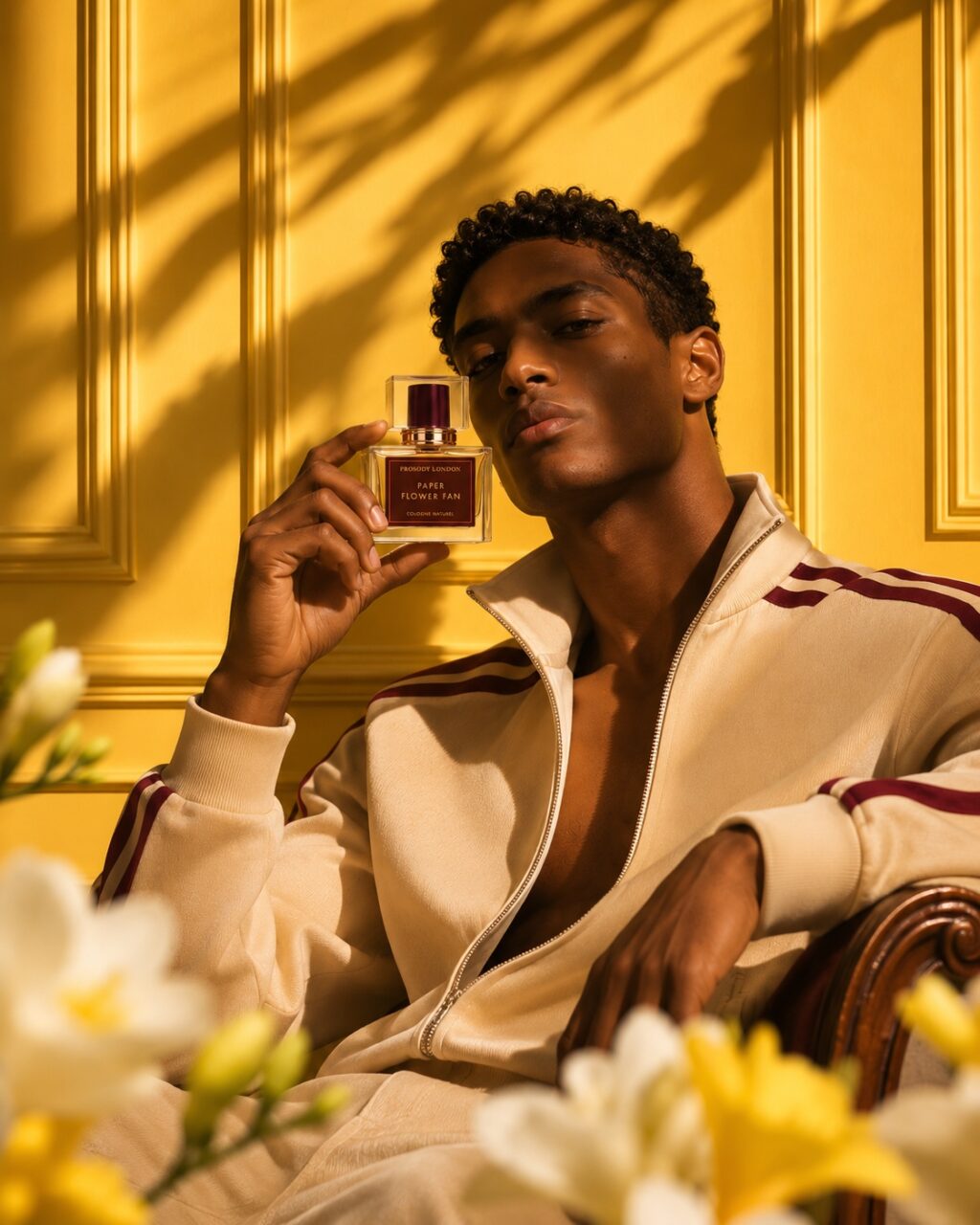
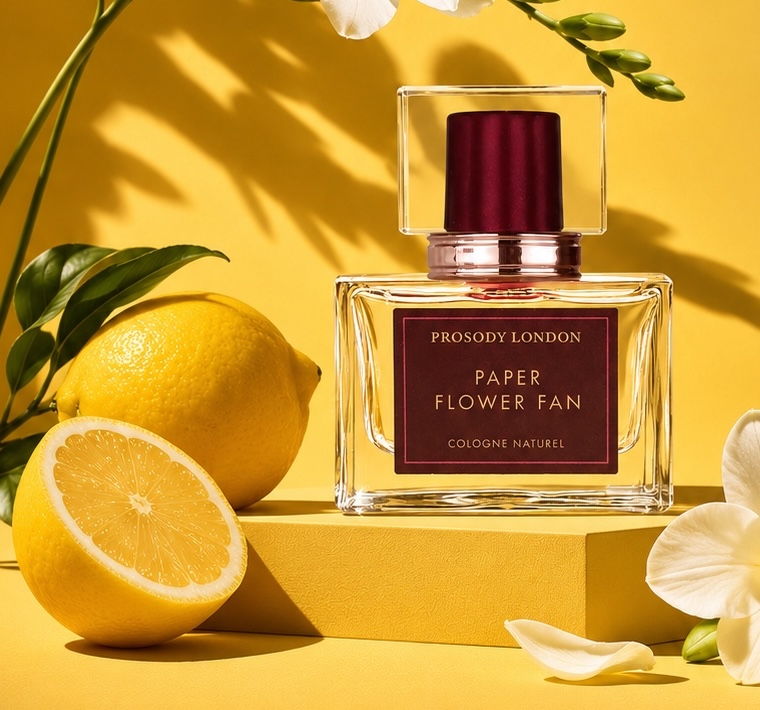

Paper Flower Fan: a floral cologne for men
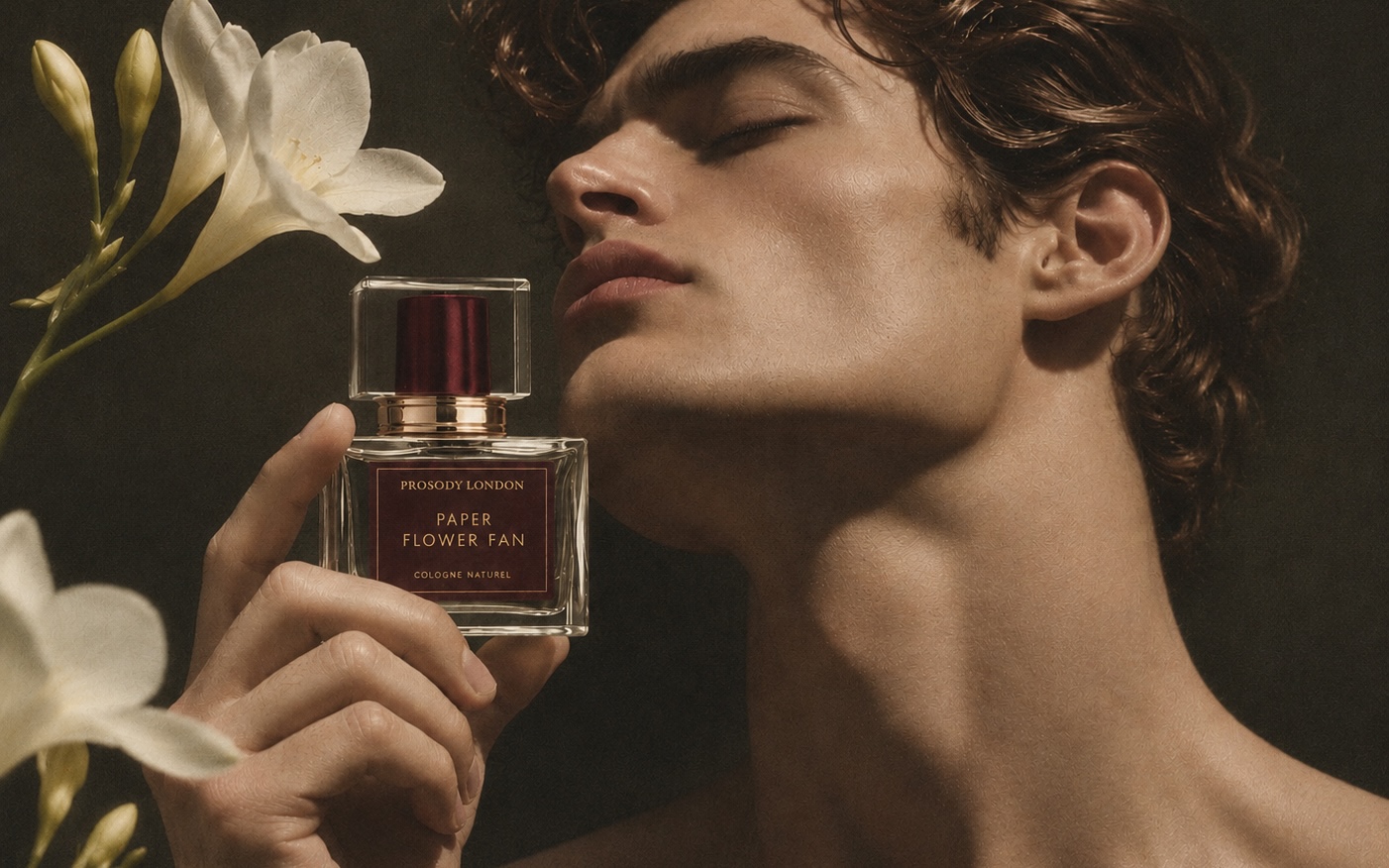
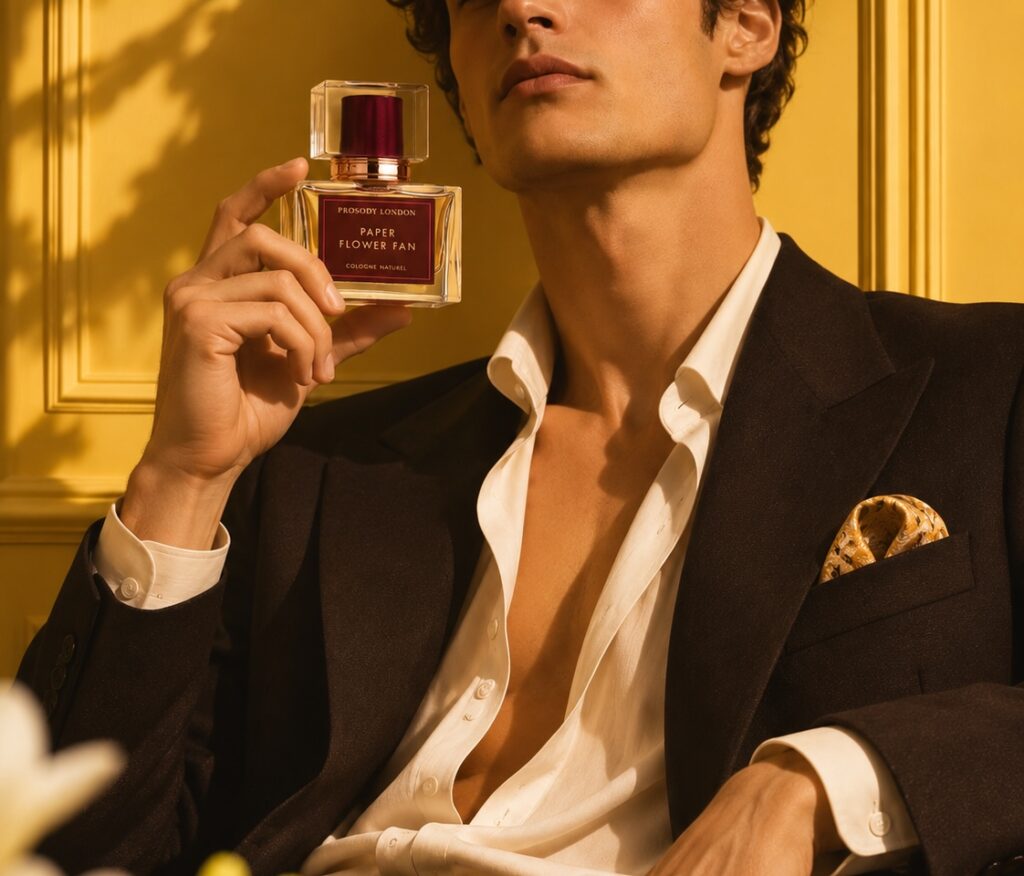
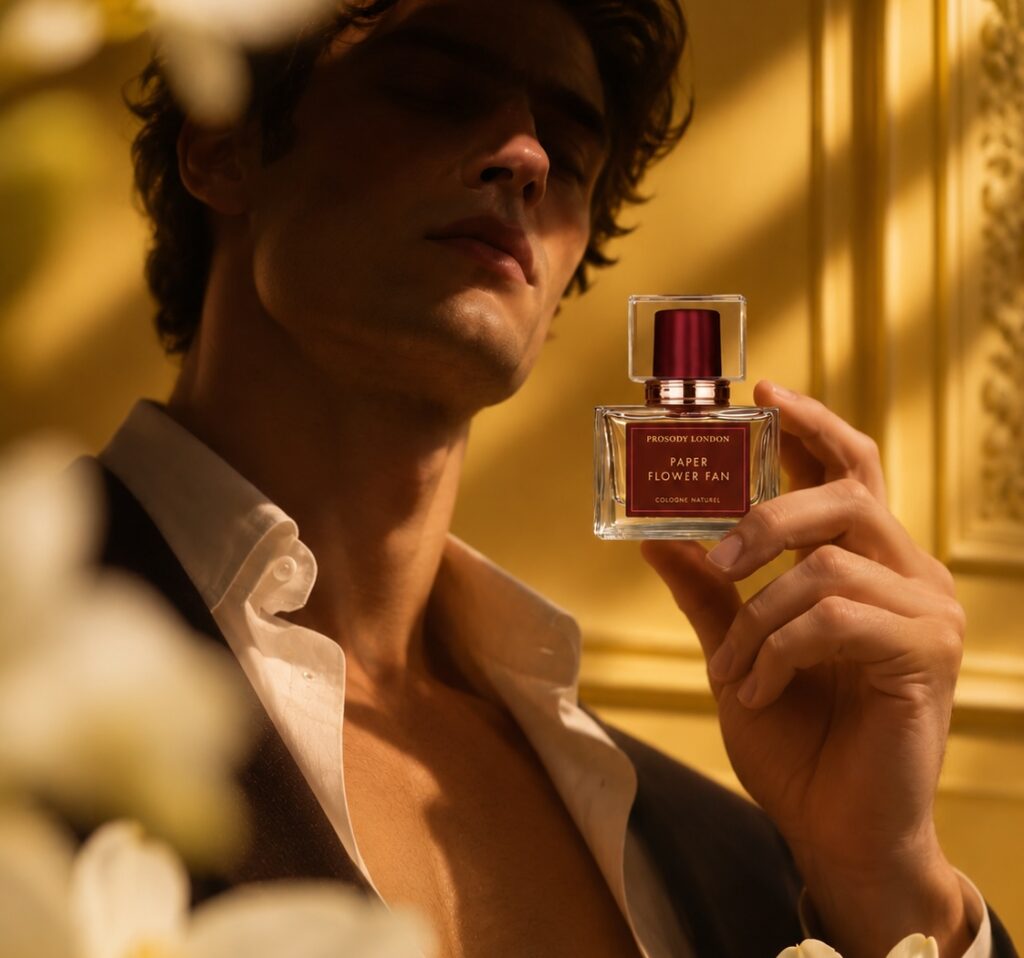
Paper Flower Fan is a citrus floral cologne for men, and a good first floral for a man who usually wears citrus.
It opens with lime, lemon and mandarin, with petitgrain and neroli adding a green, slightly bitter edge. Freesia, built as an accord from natural isolates, gives the airy floral lift that names the fragrance.
The heart is where it becomes a floral cologne rather than a citrus one. Ylang ylang brings a creamy floral warmth, and clove gives it the spice of a carnation buttonhole. Cabreuva, a soft wood oil, keeps it grounded. The base of vanilla, benzoin and ambrette seed settles close to the skin, warm rather than sweet.
| Top | Heart | Base |
|---|---|---|
| Lime, lemon, mandarin, freesia accord°, petitgrain, neroli | Ylang ylang, clove, cabreuva | Vanilla, ambrette seed, benzoin |
° Made of natural isolates.
Paper Flower Fan sits in our natural colognes for men and our unisex collection, because that is how it wears. It is made in organic grain alcohol with 100% plant-derived aromatic ingredients.
Other floral notes worth knowing
If you’d like to explore further, these are the flowers that turn up most often in men’s fragrance, with the character each brings:
- Lavender: herbal and crisp; the heart of the fougère.
- Neroli and orange blossom: both from the bitter orange tree. Neroli is fresh and green-citrus; orange blossom absolute is warmer and honeyed.
- Geranium: rosy and minty-green, and common in classic men’s fragrances.
- Rose: more versatile than its reputation; paired with spice or woods it reads dry rather than sweet.
- Jasmine: rich and heady; see our jasmine guide for men.
If fruit appeals more than flowers, read the companion piece, Fruity Colognes for Men: Beyond Sweetness. For fragrances designed to cross the gender line entirely, see the best unisex fragrances.
Floral cologne for men: FAQ
Can men wear floral perfume?
Yes. Floral materials have been part of men’s fragrance since the first eau de cologne in 1709, and lavender, neroli and geranium remain staples of men’s perfumery. What matters is whether you like the smell, not the shelf it came from.
Is a floral cologne too feminine for men?
Not inherently. Fresh florals sit close to citrus, and spice or woods in the base give them a familiar frame. A citrus floral like Paper Flower Fan reads as fresh and bright first, floral second.
What is the difference between a floral cologne and a floral perfume?
Mainly concentration. A cologne is a lighter dilution, usually built around fresh materials, so it feels brighter and wears closer to the skin. A perfume (eau de parfum) is more concentrated and usually lasts longer.
What floral notes are most common in men’s fragrance?
Lavender, neroli and orange blossom, geranium and rose turn up most often, with jasmine and violet leaf in more adventurous compositions.
How long does a floral cologne last?
Colognes are lighter than eau de parfum by design, so reapplying during the day is normal. For more on wear time, see our guide to long-lasting cologne for men.