


Rose
Natural rose is velvety and richly floral, with dewy green freshness, soft honeyed warmth and a delicate fruity spice. Its many facets make it one of perfumery’s most expressive heart notes.
| Botanical name | Rosa damascena |
|---|---|
| Plant part | Petals |
| Origin | Bulgaria and Turkey |
| Extraction | Steam distillation (rose otto) and absolute |
| Note | Heart |
| Scent family | Florals |
| Odour | Velvety, jammy and honeyed, with fresh green and spicy facets |
| Perfume uses | Florals, chypres, ambers and woody orientals |
| Key molecules | Citronellol, geraniol, phenylethyl alcohol, damascenone |
| Odour impact | High |
| Odour life on a strip | Long: a day or more |
| Found in | Bebop Allure, Carissis, Jacinth Jonquil, Lantern Reed, Lissom Linden, Rose Rondeaux, Santal Foy, Trevi Rose |
Used within IFRA limits. Impact and odour life are our own studio guide, judged on a smelling strip.
What Is Rose?
Perfumery rose comes mainly from Rosa damascena, the Damask rose, grown in Bulgaria’s Valley of Roses and in Turkey. The petals are picked by hand at dawn, when their scent is strongest. It takes around three to four tonnes of petals to make a single kilo of rose otto, which is why it is among the most precious materials in perfumery.
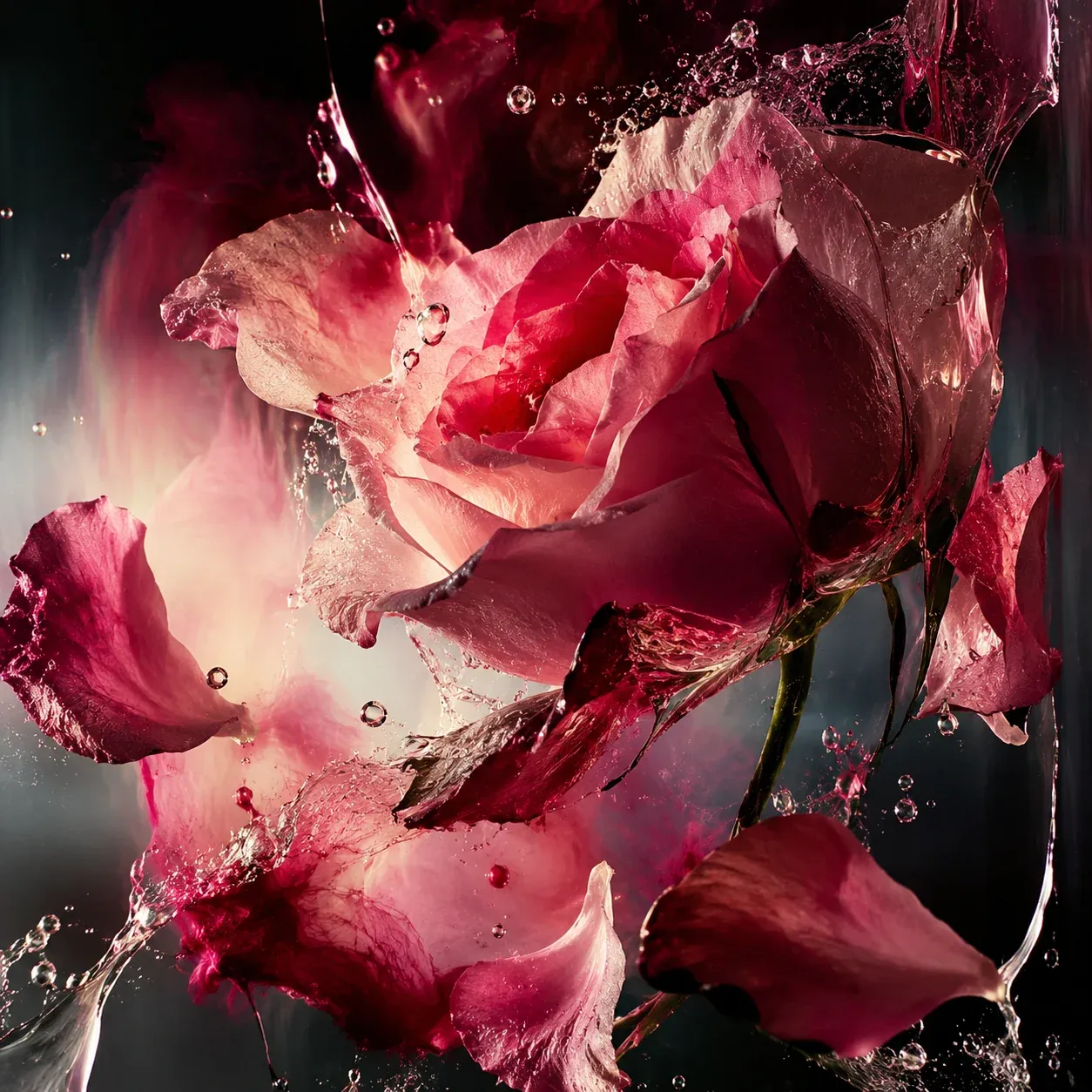
What Does Rose Smell Like?
Here is how strongly each facet of rose comes through, from our own smelling-strip notes.
Floral
Lush, velvety petals.
Honeyed
Warm, sweet and slightly waxy.
Fruity
A jammy, lychee-like note from damascenone.
Spicy
A clove-like warmth in the background.
Green
A fresh, dewy leafiness.
How Perfumers Use Rose
Rose is the heart of countless perfumes. It pairs with citrus for freshness, with patchouli and labdanum for a classic chypre, with oud and spices for depth, and with vanilla and sandalwood for a soft, romantic glow.
Rose otto vs rose absolute
Rose otto is steam-distilled and smells fresh, bright and slightly lemony. Rose absolute is solvent-extracted and smells deeper, richer and more honeyed. Perfumers often use them together to capture the whole flower.
Damask Rose vs Rose de Mai: Two Roses Used in Perfumery
When perfumers speak of natural rose, they are not always describing the same flower. Rosa damascena, or Damask rose, is cultivated for fragrance in regions including Bulgaria and Turkey. Its aromatic profile can feel rich, honeyed, spicy and vividly rosy. Rosa centifolia, often called Rose de Mai or cabbage rose, is associated with the traditional perfumery of Grasse in France. It is often described as softer, more rounded and delicately honeyed. These are useful tendencies, not absolute rules: climate, harvest, extraction and the individual batch all influence the final smell.
Both roses contribute complexity that a simplistic “rose-scented” label cannot convey. A perfumer may choose one for its brighter floral lift and another for its plush, petal-like richness, or blend rose materials with other botanicals to suggest a particular kind of flower.
Rose Otto, Rose Absolute and Rose Water: What Is the Difference?
Rose otto is the essential oil obtained through steam distillation of rose petals. It is concentrated and may show bright, fresh, citrus-tinged and green facets alongside its unmistakable floral character. Rose absolute is produced through solvent extraction, typically via a rose concrete; its profile is often fuller, waxier and more honeyed. Both are used in fine fragrance, and neither is automatically superior. They are different tools for different olfactory effects.
Rose water is the aromatic water collected during distillation. Although beautifully fragrant, it is not interchangeable with the concentrated rose materials used to build an eau de parfum. The amount of natural rose extract in a finished perfume cannot be inferred simply from how strongly the perfume smells of roses.
Why Does Rose Sometimes Smell Like Fruit, Jam or Spice?
A natural rose is more than a straightforward floral note. Its scent is shaped by a complex mixture of aromatic molecules. Citronellol and geraniol contribute familiar rosy and fresh-floral impressions; phenylethyl alcohol brings a soft, petal-like quality. Trace compounds can have a surprisingly large sensory effect. Damascenone, for example, is associated with powerful fruity, rosy and sometimes plum-like nuances, while rose oxide can lend a fresh, green, metallic or lychee-like lift.
That complexity explains why a rose fragrance can recall freshly cut stems, raspberry preserve, dried petals, wine or spice. Those impressions may come from the rose material itself, from other ingredients around it, or from the way the complete composition develops on skin. A fruity rose is not necessarily made with fruit extracts.
Fresh, Powdery, Jammy and Dark Rose Perfumes Compared
The character of a rose perfume depends as much on its supporting notes as on the rose itself. The same flower can become airy and modern, soft and nostalgic, or deep and sensual.
| Rose style | What it smells like | Common pairings |
|---|---|---|
| Fresh or dewy rose | Cool petals, green stems, morning air | Citrus, geranium, herbs |
| Powdery rose | Soft petals, cosmetic powder, gentle warmth | Orris, violet, sandalwood |
| Jammy or fruity rose | Ripe berries, honeyed petals, rich floral sweetness | Pink pepper, fruit facets, warm resins |
| Dark or woody rose | Velvety petals, spice, earth and shadow | Patchouli, labdanum, oud, woods |
Does Rose Perfume Last Long?
Rose is usually considered a heart note: it emerges as the brightest opening notes soften and often remains central to the fragrance for a substantial part of its development. However, there is no universal wear time for a rose perfume. Concentration, the particular rose material, supporting base notes, application and individual skin all matter.
Rich woody and resinous materials may make a rose composition feel more persistent, while a light citrus-and-rose cologne can be intentionally fleeting. The odour-life rating in our botanical profile describes our studio observation of the raw material on a smelling strip, not a guarantee of how long any finished perfume will last on skin.
Is Rose Perfume Feminine or Unisex?
Rose has long appeared in fragrances worn by people of all genders. A green rose with herbs and citrus can feel crisp and tailored; rose with pepper, patchouli or dark woods can feel strikingly dry and architectural. Softer combinations with vanilla or powdery florals create a different mood. None of these styles belongs exclusively to women or men.
For someone who usually avoids traditional floral perfumes, a rose with a noticeable green, spicy or woody structure may be a better introduction than a sweet, densely floral bouquet.
How to Choose a Natural Rose Perfume
Start by deciding which aspect of rose appeals to you. Do you want the cool freshness of petals just opened, the warmth of honeyed rose absolute, the fruity richness of a jammy rose, or the contrast of rose against woods and spice? Look beyond the headline note to the rest of the composition. Rose with citrus can feel bright; rose with orris may feel powdery; rose with patchouli and labdanum tends to feel deeper.
Sample the fragrance on skin rather than judging only its first spray. Notice the opening after a few minutes, the heart after roughly half an hour, and the dry-down later in the day. These are useful checkpoints, not fixed stages for every formula. Natural aromatic materials can also vary subtly from harvest to harvest, which is part of their character.
At Prosody London, Rose Rondeaux explores a richly floral, fruity-spiced direction, with rose framed by pink pepper, labdanum and patchouli. It is a useful example of how a natural rose composition can feel layered rather than simply sweet.
Smell Rose in Prosody London Perfumes
For rose at its most expressive, try Rose Rondeaux. Rose sits at the heart of a jammy, spiced composition with pink pepper, labdanum and patchouli, our most rose-forward eau de parfum. You will also find rose in Bebop Allure, Carissis, Jacinth Jonquil, Lantern Reed, Lissom Linden, Santal Foy and Trevi Rose.
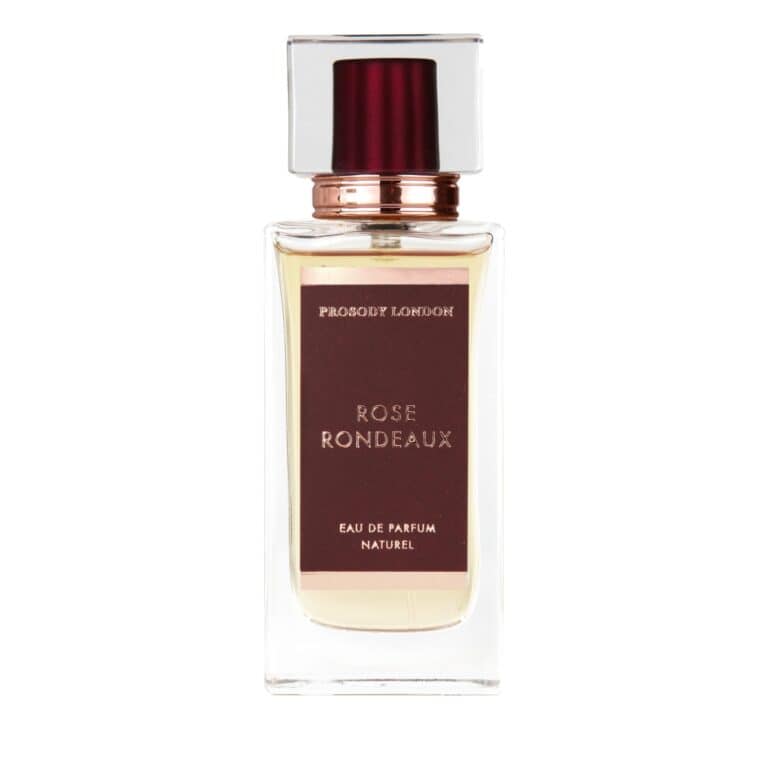 Rose RondeauxNatural Eau de Parfum
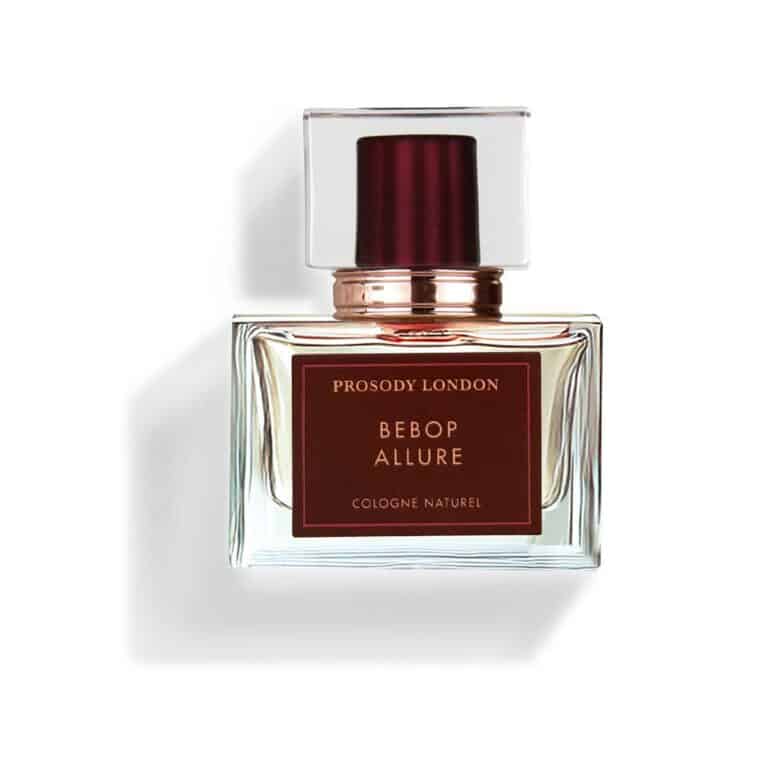 Bebop AllureNatural Cologne
 CarissisNatural Eau de Parfum
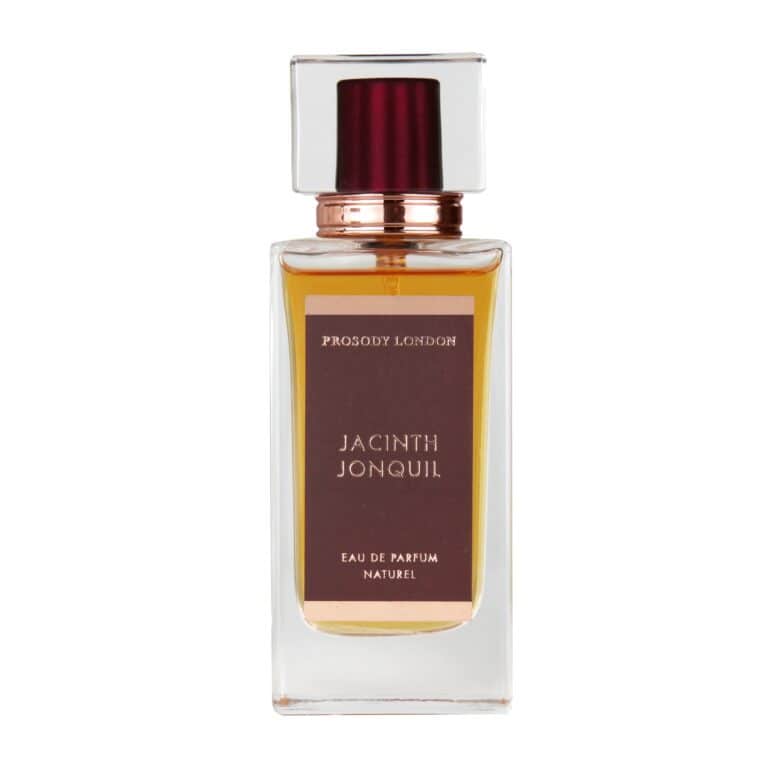 Jacinth JonquilNatural Eau de Parfum
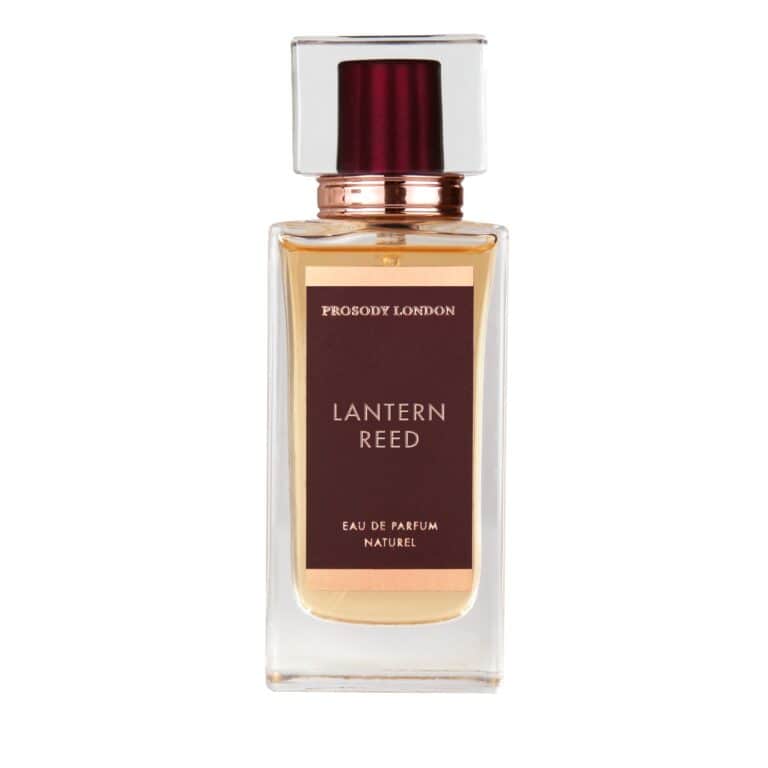 Lantern ReedNatural Eau de Parfum
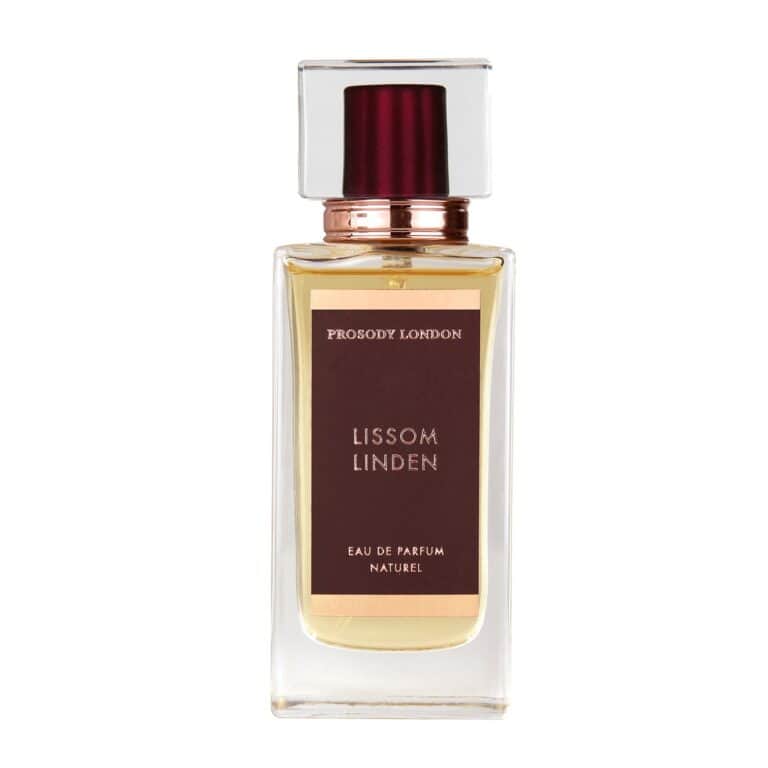 Lissom LindenNatural Eau de Parfum
 Santal FoyNatural Eau de Parfum
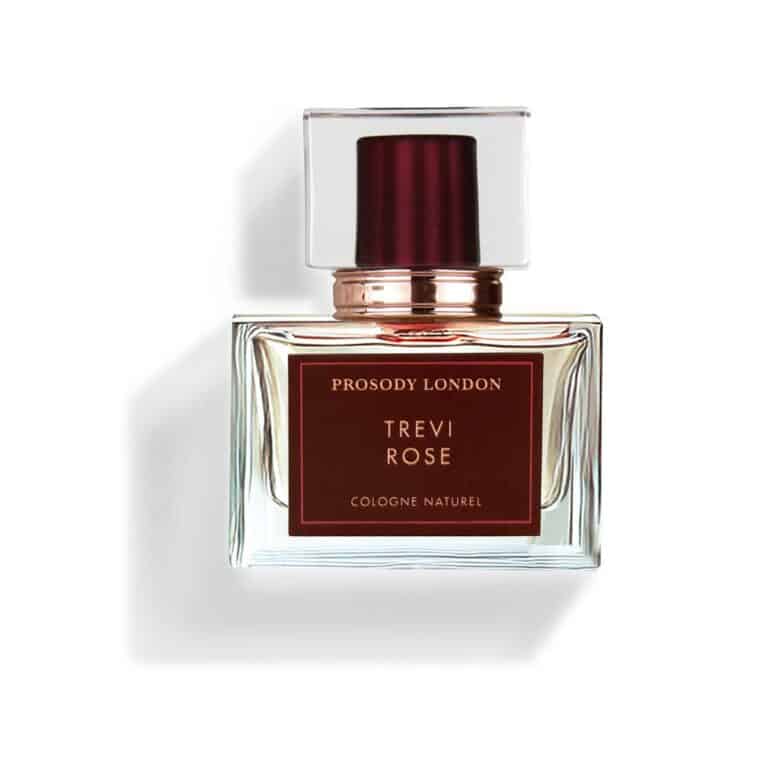 Trevi RoseNatural Cologne
What Blends Well With Rose?
Questions About Rose
Is rose a feminine scent?
No. Rose is used in fragrances for everyone, from fresh colognes to dark, woody orientals.
Why is natural rose so expensive?
It takes several tonnes of hand-picked petals to make one kilo of oil.
What pairs well with rose?
Patchouli, sandalwood, geranium, vanilla and pink pepper.
Explore all of our natural perfume ingredients.
