

Mandarin
Citrus reticulata
Mandarin is sweet, juicy and softly floral, with a gentle green edge. Discover the sunny citrus that opens colognes and fruity florals.
What does mandarin smell like in perfume?
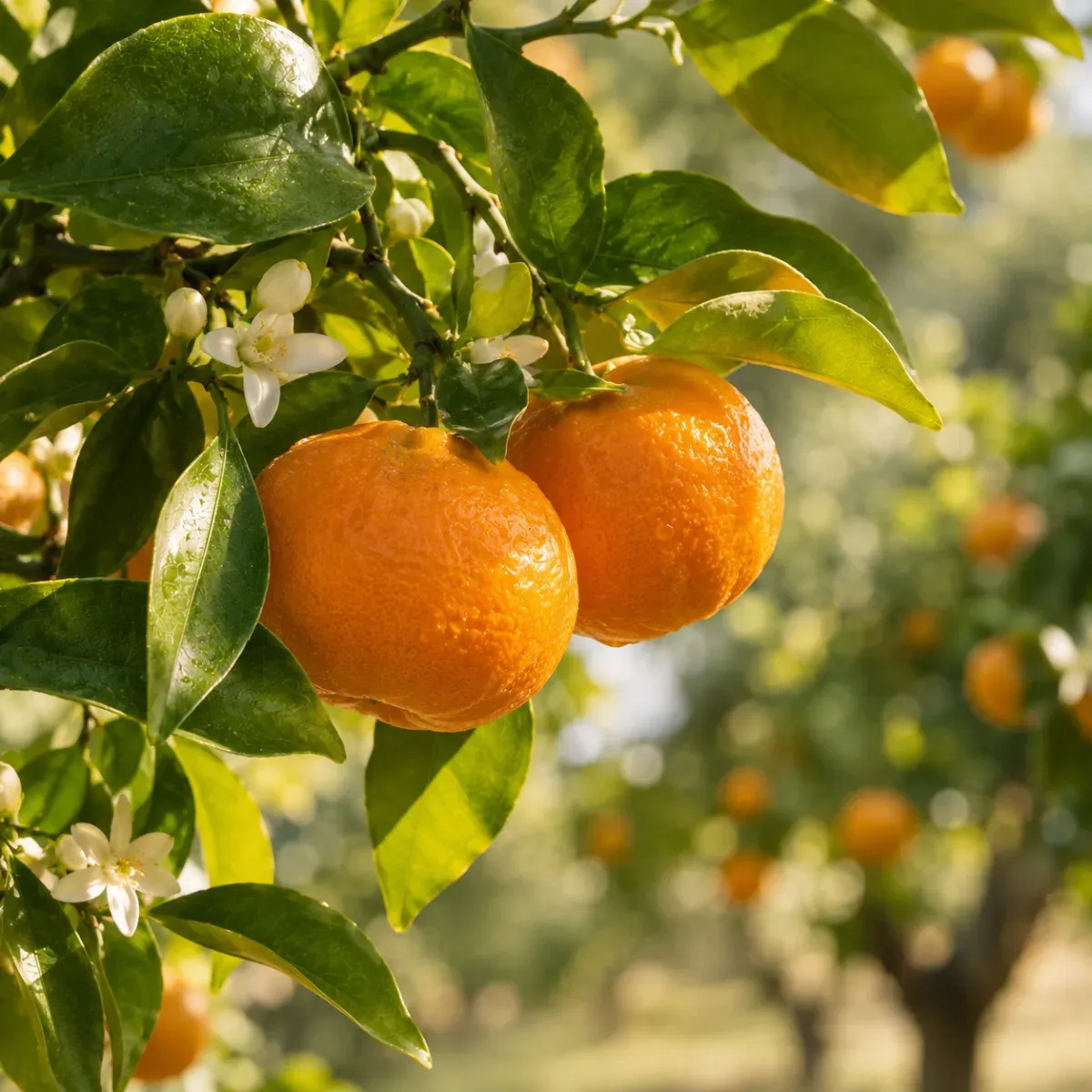
Mandarin smells sweet, juicy and soft, like the fine spray from the peel as you open a ripe mandarin. It is one of the gentlest citrus notes in perfumery: less sharp than lemon or grapefruit, with a faint floral sweetness that makes it feel warm.
| Botanical name | Citrus reticulata |
|---|---|
| Plant part | Peel of the fruit |
| Origin | Italy, Brazil and China |
| Extraction | Cold-pressed from the peel |
| Note | Top |
| Scent family | Citrus & Fresh |
| Odour | Sweet, juicy and softly floral, with a gentle green edge |
| Perfume uses | Colognes, fruity florals and gourmand openings |
| Key molecules | Limonene, γ-terpinene, methyl N-methylanthranilate |
| Odour impact | Medium |
| Odour life on a strip | Very short: under an hour |
| Found in | A Capella Ray, Mocha Muscari, Neroli Nuance, Paper Flower Fan, Pizzicato Bliss, Whistle Moon |
Used within IFRA limits. Impact and odour life are our own studio guide, judged on a smelling strip.
What Is Mandarin Essential Oil?
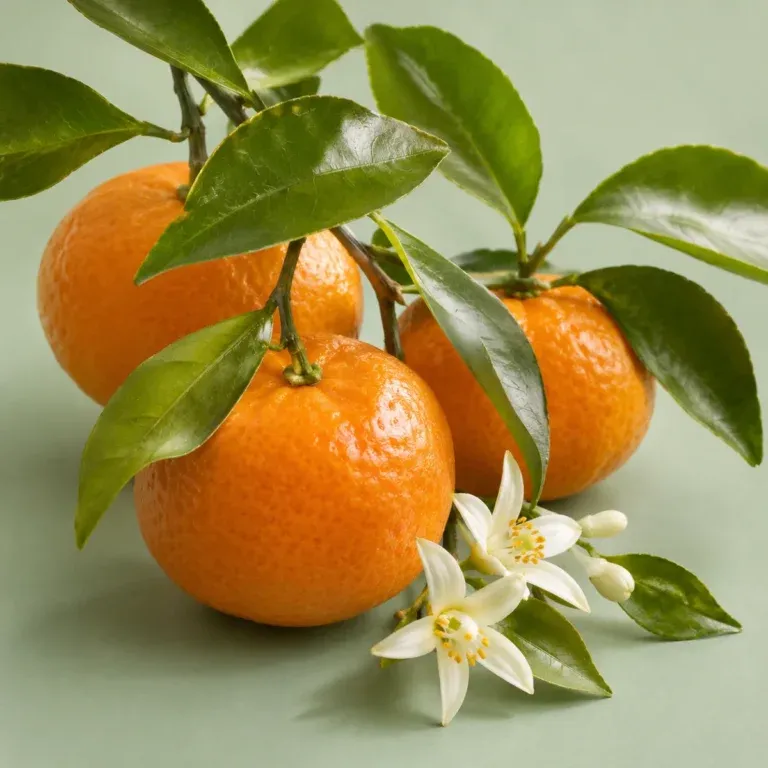
Mandarin oil is cold-pressed from the peel of Citrus reticulata, mainly in Italy, Brazil and China. Like other citrus oils it is rich in limonene and γ-terpinene, but it also contains methyl N-methylanthranilate, which gives mandarin the soft, faintly floral sweetness that sets it apart from orange.
Mandarin Scent Profile
Here is how strongly each facet of mandarin comes through, from our own smelling-strip notes.
Juicy
Sweet, ripe fruit that feels full of sunshine.
Sweet
A soft, candied warmth.
Floral
A delicate, orange-blossom-like nuance.
Green
A fresh, leafy edge, strongest in green mandarin.
How Perfumers Use Mandarin in Perfume
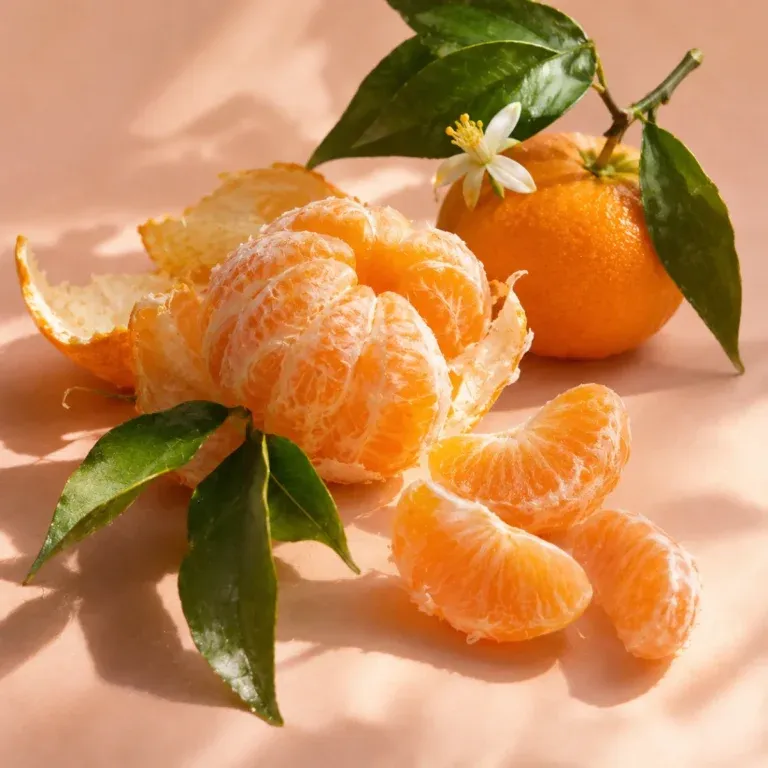
Perfumers use mandarin to bring sweetness and roundness to a citrus accord, softening sharper notes such as lemon and grapefruit. It opens colognes, fruity florals and gourmands, where its juicy warmth leads into creamy or spicy hearts. Like every citrus top note it fades quickly, so it is usually paired with petitgrain, neroli or soft woods that carry the freshness further.
Green mandarin vs red mandarin
Mandarin oil changes with the ripeness of the fruit. Green mandarin, pressed from fruit picked early, smells sharp, zesty and leafy. Red mandarin, from fully ripe fruit, is sweeter, juicier and rounder, and yellow mandarin sits between the two. Green mandarin gives a brighter, sparkling start, which is why we use it to open Neroli Nuance, A Capella Ray, Mocha Muscari and Whistle Moon.
Growing and harvesting mandarin
Mandarin oil comes mainly from Italy, Brazil and China. The same trees give different oils through the season: green mandarin is pressed from unripe fruit in autumn, yellow from fruit turning colour, and red from fully ripe fruit in winter. The peel holds only a little oil, so a great deal of fruit goes into every bottle of mandarin oil.
The molecules behind mandarin’s scent
Most of mandarin oil is limonene, which gives the bright citrus lift shared by all peel oils. γ-Terpinene adds a fresh, slightly herbal edge. What makes mandarin smell like mandarin rather than orange is a tiny amount of methyl N-methylanthranilate: on its own it is musty-sweet and faintly grape-like, and it gives mandarin its soft, almost floral sweetness.
Natural or synthetic mandarin?
A “mandarin” note in a mainstream perfume is often built in the lab from limonene, aldehydes and synthetic methyl N-methylanthranilate. Natural mandarin oil smells fuller and juicier, with more of the peel’s green bitterness, though like any natural citrus it fades sooner.
Mandarin in history and tradition
Mandarins have been grown in China for thousands of years, and at Chinese New Year they are still given in pairs as a sign of good fortune. The English name is usually linked to the mandarins, the officials of imperial China, though the exact connection is uncertain. The fruit reached Europe in the early 19th century, and Sicily and Calabria in southern Italy became known for their mandarin oil.
How to smell mandarin yourself
Scratch the skin of a clementine or mandarin with your nail and smell it next to an orange. The mandarin is softer, sweeter and slightly floral. In early autumn, try a small green mandarin if you can find one: sharper, greener and closer to green mandarin oil.
Smell Mandarin in Prosody London Perfumes
For mandarin at its most expressive, try Neroli Nuance. Green mandarin opens the scent with blood orange and neroli, creating a bright, summery citrus-floral. You will also find mandarin in A Capella Ray, Mocha Muscari, Paper Flower Fan, Pizzicato Bliss and Whistle Moon.
-


Neroli Nuance – Natural Perfume
Price range: £49.00 through £135.00Select options This product has multiple variants. The options may be chosen on the product page -


-


Mocha Muscari – Natural Perfume
Price range: £52.00 through £149.00Select options This product has multiple variants. The options may be chosen on the product page -


-


-


What Blends Well With Mandarin?
Questions About Mandarin
Is mandarin the same as tangerine?
They are close relatives: tangerine is a type of mandarin. The oils smell similar, though tangerine is usually a little sharper and less floral.
What does green mandarin smell like?
Sharper and greener than ripe mandarin, with a zesty, leafy edge. It gives a perfume a brighter, more sparkling opening.
Does mandarin last long?
No. It is a top note and fades within an hour on a smelling strip. In a finished perfume, heart and base notes help carry its impression further.
What does mandarin pair with?
Neroli, petitgrain, orange blossom, jasmine, vanilla and soft woods all suit its sweetness.
Explore all of our natural perfume ingredients.
