Best Perfume Brands 2026 — A Working Perfumer’s Pick
By Kershen Teo, founder and perfumer of Prosody London
As an Amazon Associate, Prosody London earns from qualifying purchases. Some links in this article are affiliate links, at no extra cost to you.
At a glance: the best perfume brands
This is my own pick as a working perfumer, not an industry ranking. The best perfume brands in 2026 are great for quite different reasons: Chanel for No. 5 and its Grasse jasmine, Guerlain for nearly two centuries of perfumery, Frédéric Malle for putting the perfumer’s name on the bottle, Hermès for a quiet, consistent house style, and Prosody London, my own house, for perfume composed entirely from plant-derived aromatic ingredients.
| Category | Brand | Best for |
|---|---|---|
| Global icon | Chanel | No. 5, and Grasse jasmine and May rose grown with the Mul family since 1987 |
| Heritage house | Guerlain | Founded in 1828; classics such as L’Heure Bleue, Mitsouko and Shalimar |
| Perfumer as author | Frédéric Malle | Perfumes and home fragrances signed by leading perfumers |
| Quiet consistency | Hermès | A restrained house style shaped by in-house perfumers |
| 100% botanical | Prosody London | Perfumes composed only from plant-derived aromatic ingredients, in organic grain alcohol |
I make perfume for a living, so this isn’t a magazine roundup. It’s how I see the houses that shaped my idea of what perfume can be, ending with the one I built myself. In a guest essay for CaFleureBon, “The Art of Seeing Smells”, I wrote about perceiving perfume almost visually, as construction, colour and light, long before you can name what’s in the bottle. That is the lens here. For a much wider list of independent houses, see our guide to the best niche perfume brands; for houses based in Britain, see our guide to the best British perfume brands.
What makes a great perfume brand?
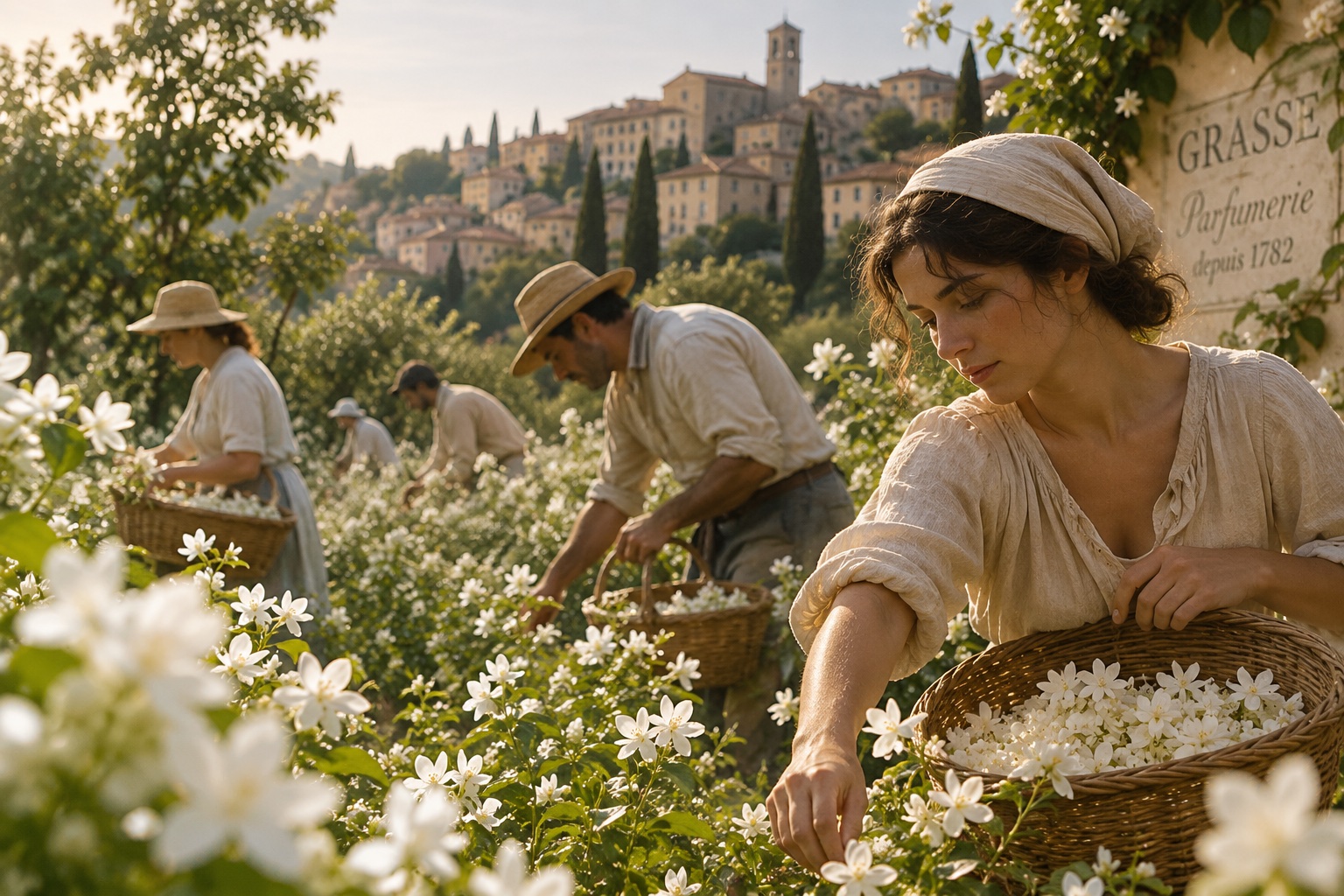
Raw material control. The strongest houses secure the source of their signature ingredients, through ownership or partnerships lasting decades, rather than buying whatever the market offers that year. Chanel has worked with the Mul family, flower growers at Pégomas near Grasse for five generations, since 1987, and in 2021 bought more land in the area to protect its jasmine supply. (Domaine de Manon, often confused with it, grows its rose and jasmine for Dior.) Guerlain works with the Gastaldi family at Domaine Le Mas des Sources in Grasse, and sources Damascena rose from Bulgaria and Turkey.
Perfumer consistency. Whether it’s one in-house perfumer across decades or a chosen roster, a house’s identity has to outlive any single fragrance. Our guide to quiet luxury perfume brands looks at this in more detail.
Formulation philosophy. A great house has a coherent view of what perfume should be and how it should be built, not just “this smells nice”.
Longevity. Here, independent wear tests count for more than brand claims. Wearing Prosody London’s Santal Foy, CaFleureBon’s Karl Topham found it lasted “around six hours which is decent for a natural perfume”; Neroli Nuance, he wrote, “is very long lasting and it evolves over many hours.”
Critical recognition. Reputation isn’t the same as formulation integrity. In my view, assessment from critics with no commercial stake is a more reliable signal than brand recognition. Our press coverage page collects the reviews of Prosody London quoted here.
Chanel: jasmine, Grasse and No. 5
No conversation about the best perfume brands can start anywhere else, in my view, and for me Chanel starts with jasmine. I grew up in Singapore, where jasmine meant something quite different to me. In Little India I remember the garlands and the scent around Indian temples. For years I carried that association with me, and it wasn’t one I particularly connected with luxury. Chanel No. 5 helped me unlearn it. The same floral impression could suddenly belong to another world entirely.

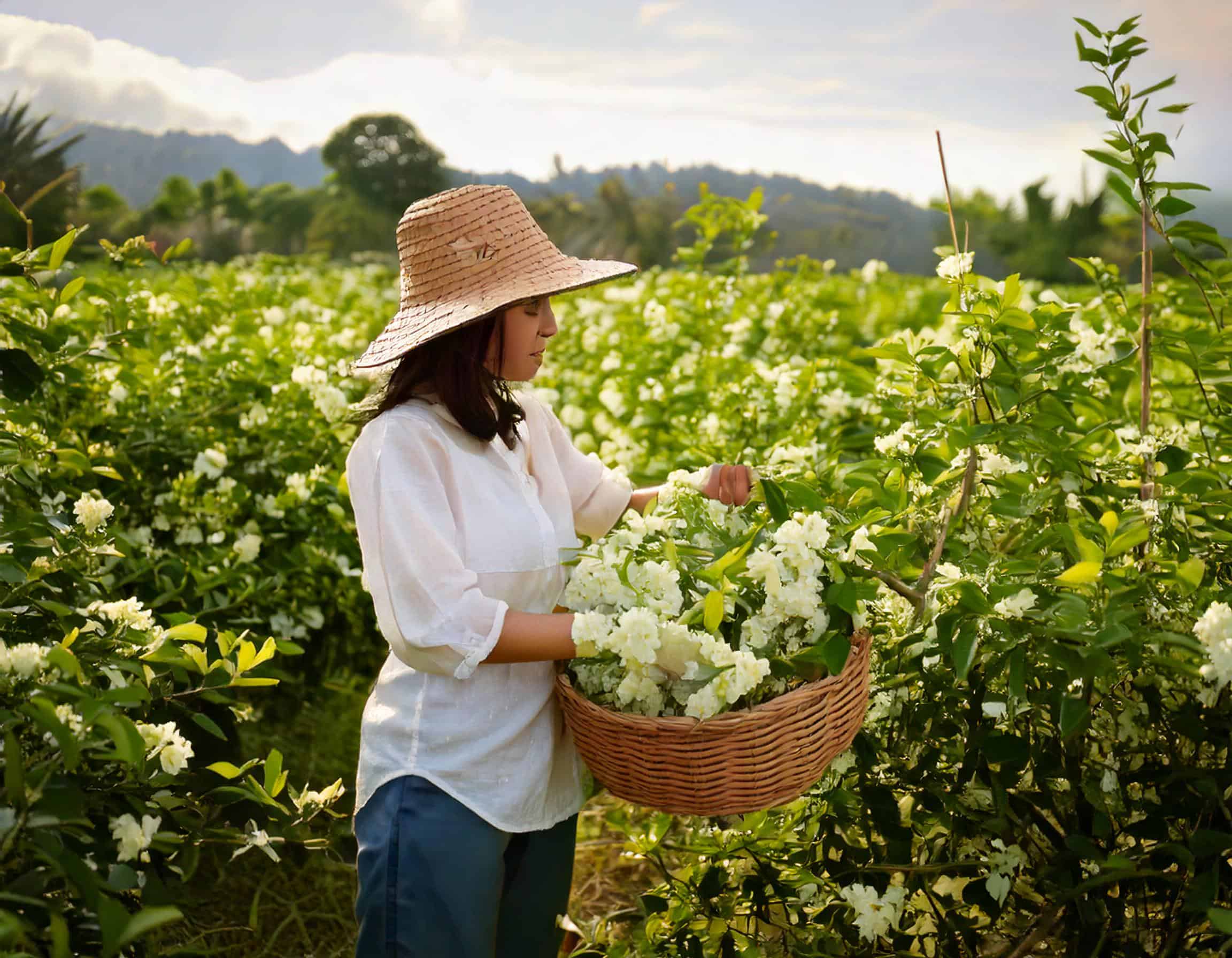
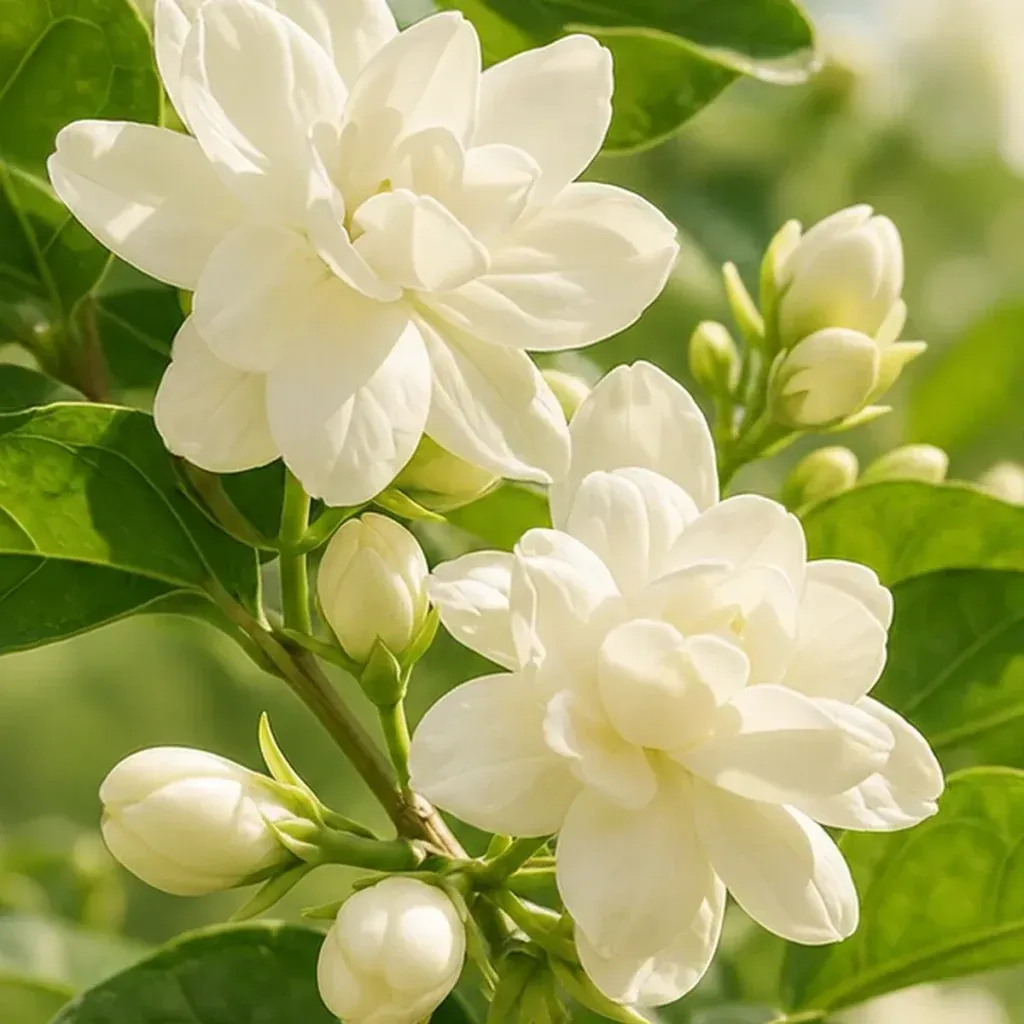
I don’t find No. 5 outdated at all. I think it’s perfection. I love the balance of its jasmine character, its animalic, civet-like warmth and its mossy depth. Those are descriptions of what I smell, not a claim about the ingredients in today’s proprietary formula.
I began thinking about Coco Chanel’s story, the typography, that remarkably minimal bottle and label. It all comes together. No. 5 is a great scent, but it is also a great marketing idea. As someone who cares about both perfume and branding, I find the way it changed my association with jasmine fascinating.
The facts behind it: No. 5 was composed by Ernest Beaux and launched in 1921, and it remains one of the best-known perfumes in the world. The jasmine and May rose Chanel uses come from the Mul family’s fields at Pégomas.
Where to buy: Chanel No. 5: Amazon US | Amazon UK
Guerlain: nearly two centuries of perfumery
I first smelled L’Heure Bleue at a collector friend’s home. He had bought a bottle and let me try it. I remember a very warm, fuzzy feeling, almost like watching a sunset. I wasn’t analysing its commercial success or its heritage; I was seeing an image in my head.
There’s something fascinating about a perfumer creating a smell and then giving it a name. The name invites you to make a connection. It may not be the same connection another person makes, and that’s fine. L’Heure Bleue was one of the first conceptual perfumes for me: it made me think that my job could be to use ingredients to evoke a feeling and paint a picture. I loved that experience so much I actually painted a picture myself.
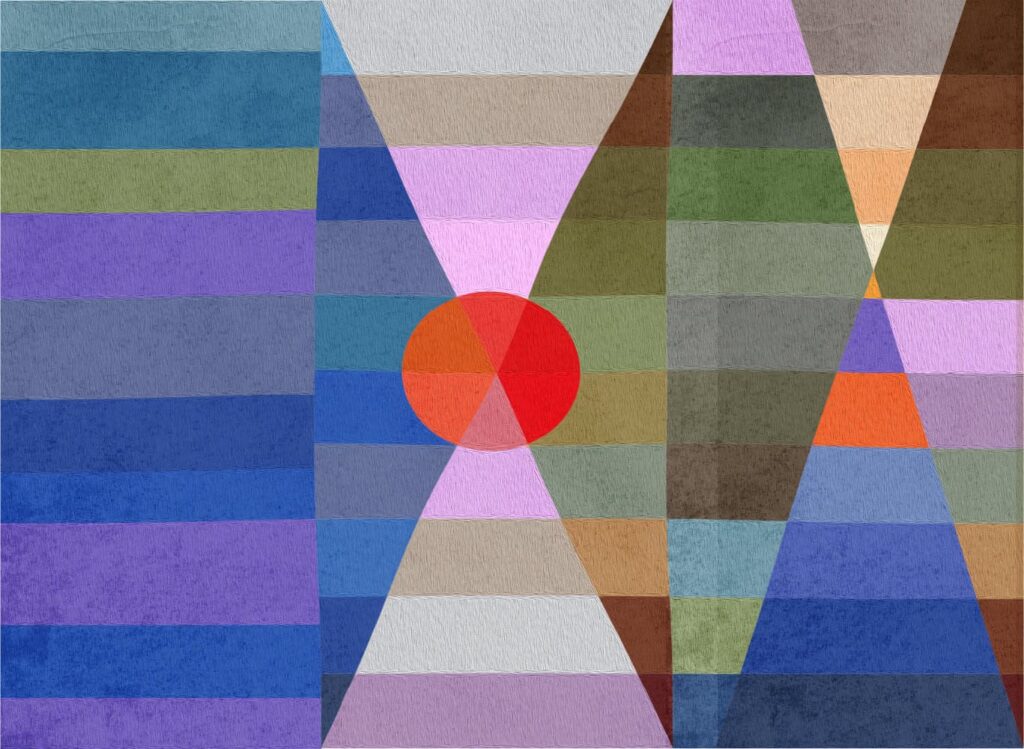
Launched in 1912 and named for “the blue hour”, the fleeting light after sunset before darkness falls, it is still one of the most poetic expressions of a mood in perfumery. As I wrote in my CaFleureBon essay: “I am in awe of how the aniseed evokes the setting sun in the twilight hour, mingling with lovely florals that transit amazingly to a rich bed of sensual iris-amber accord.”
Guerlain was founded in Paris in 1828 by Pierre-François-Pascal Guerlain, and members of the family composed its perfumes for most of the following two centuries, through to Jean-Paul Guerlain. Thierry Wasser became the house perfumer in 2008, the first from outside the family, and Guerlain has been part of LVMH since 1994. Its best-known fragrance is probably Shalimar (1925), and Mon Guerlain (2017) has been one of its most successful recent launches. The deeper catalogue is where the house’s skill shows most, in my view. Mitsouko (1919) is a landmark chypre built on oakmoss; IFRA restrictions on oakmoss mean the Mitsouko sold today has been reformulated, and an original-strength version is very hard to recreate.
Where to buy: Guerlain L’Heure Bleue: Amazon US | Amazon UK
Frédéric Malle: the perfumer as author
When I was beginning in natural perfumery, Frédéric Malle was probably the house that excited me most. I loved the old-school richness I perceived in its fragrances. I admire what I experience as a light touch with synthetics: in a mixed-media perfume, they can support a natural-smelling material, smooth an edge or create a special effect without taking over. That is my impression as a wearer, not a claim that I know the formulas.
It’s like a Michelin-starred restaurant. If your ingredients are beautiful, why drown them in sauce? Let them speak.
Malle’s model is different from the other houses here. Rather than relying on a single in-house perfumer, he commissions established perfumers to create work under his editorial direction, and their names appear on the bottle. Portrait of a Lady (2010, Dominique Ropion), a rose, patchouli and incense composition, is probably the house’s best-known perfume, and I love it; our guide to the best rose perfume looks at it alongside other modern roses. I love the edgy, almost animalic tuberose of Carnal Flower, also by Ropion, too. In my CaFleureBon essay I described “the overripe sensuality of tuberose by way of indole… the indole adds a touch of adventure like an insect drawn to the wicked potency of the scent, transforming into a diamond along the way.”
One of my favourites is actually a home fragrance, Café Society, composed by Carlos Benaïm. I find the lavender’s almost camphoraceous quality against what I read as a coffee-like bitterness particularly interesting. It shows how a perfumer can use one facet of a material to suggest something quite unexpected.
Where to buy: Frédéric Malle Portrait of a Lady: Amazon US | Amazon UK
Frédéric Malle Carnal Flower: Amazon US | Liberty London
Hermès: quiet consistency
I have a particular affection for Eau d’orange verte. I associate it with the beautifully considered toiletries of a luxury hotel, and even with a scene from Calendar Girls involving a luxurious hotel bath. Those memories stick. Whenever I think about a sophisticated hotel scent, it comes to mind.
The words themselves are clever. The name makes you imagine a vivid green, but the presentation I remember is a much more sophisticated turquoise green. The name and colour work together before you even smell it. And then there is the fragrance: soft, light and remarkably natural-smelling to my nose. I feel that way about other Hermès compositions too, including Ginseng Biloba and Santal Massoia.
The opening reminds me of listening to Samuel Barber. It doesn’t shout. It lets light through gradually, like a beautiful piece of music unfolding. That quietness is what I admire about Hermès: the confidence not to make everything loud.
Hermès has long given its fragrance voice to in-house perfumers. Jean-Claude Ellena held the role from 2004 to 2016, and Christine Nagel has led olfactive creation since 2016. Ellena’s Terre d’Hermès (2006), a woody, mineral composition of orange and vetiver, remains the house’s best-known men’s fragrance. This restrained, single-voice approach is what defines quiet luxury perfume more broadly.
Ellena’s Hermessence collection produced some of the most admired niche work of its time, in my view. Of his Santal Massoia I wrote in the same essay: “I must confess I love the smell of massoia oil, woodiness and creamy coconut in one. I would gladly smell this all day… the olfactive equivalent of cracking into a prune-laced crème brûlée while reclining on a couch covered in white mink.”
Where to buy: Hermès Eau d’orange verte: Amazon US | Amazon UK
Terre d’Hermès: Amazon US | Amazon UK
Availability, prices and sellers on Amazon change. Check the seller, bottle size and concentration on the listing before you order.
Prosody London: a 100% botanical approach
Studying the perfume houses I admire gave me permission to be creative. I realised that scent could suggest a picture, a colour, a place or a feeling. There isn’t one correct association. I also began to see how much could be done with botanical materials when you give yourself room to experiment.
Prosody is a word connected with the rhythm and structure of poetry. That is how I think about making perfume. Structure matters; rhythm matters; but so does the way a fragrance develops on your skin. I often think about it in musical terms, too. I don’t always want the opening to sound like Beethoven at full volume. Sometimes I want something closer to the Barber-like quiet I admire in Hermès: soft, light and gradually revealing itself.
Every other house in this article uses synthetic aroma molecules, often brilliantly; they are legitimate tools, and much of what I admire in these perfumes depends on them. Prosody London takes a different path. Every fragrance is composed from plant-derived aromatic materials (essential oils, absolutes, CO2 extracts, resinoids and natural isolates) in organic grain alcohol, with no synthetic aroma chemicals.
I’m not dogmatic about natural isolates. If an aromatic isolate is genuinely obtained from a natural source, I regard it as a useful part of natural perfumery. It can help me soften a rough edge or gently nuance a composition. I think of Monet and Renoir: small touches that change the overall impression. The origin and processing of an isolate still need to be verified; ‘natural’ is not a conclusion you can draw from its smell alone.
I want botanical materials to become expressive art. It’s technically difficult, but I want that work to stand alongside the finest perfumes in the world. Critics have been generous about the result. Asked by a reader in April 2026 what his favourite rose was, Luca Turin answered: “My favorite is Prosody’s Rose Rondeaux.”
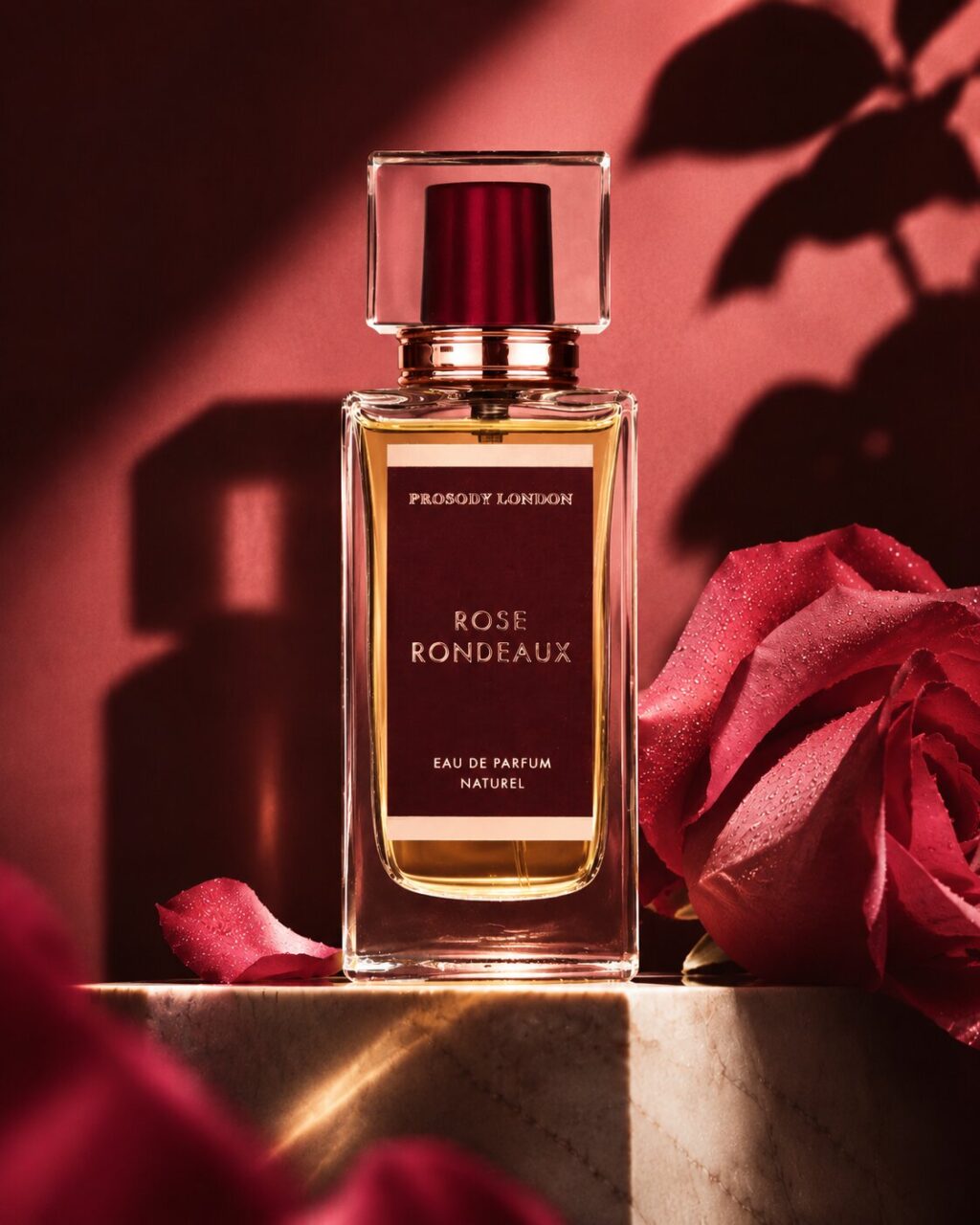
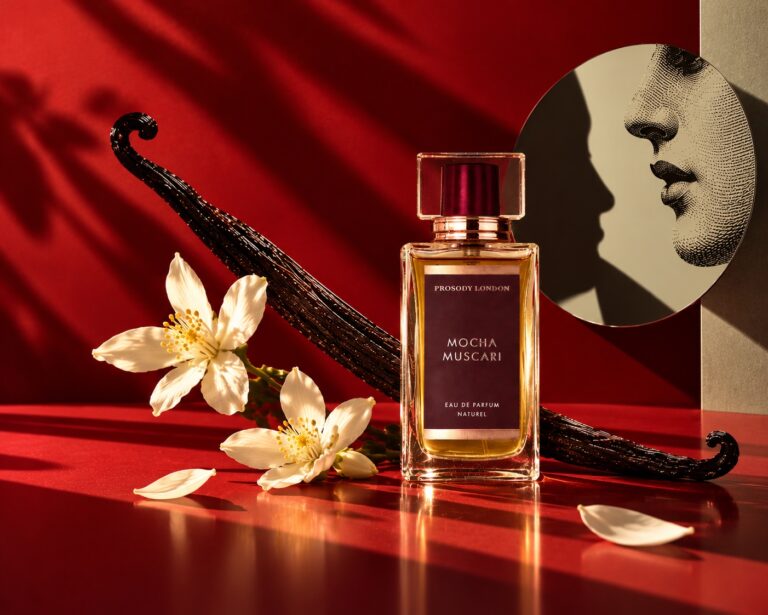
Rose Rondeaux opens with pink pepper, coriander and berry and rum accords, settles into rose and geranium, and dries down to labdanum, patchouli, sandalwood, vanilla and agarwood brightened by a raspberry accord. Oud Octavo is built around Vietnamese black agarwood.
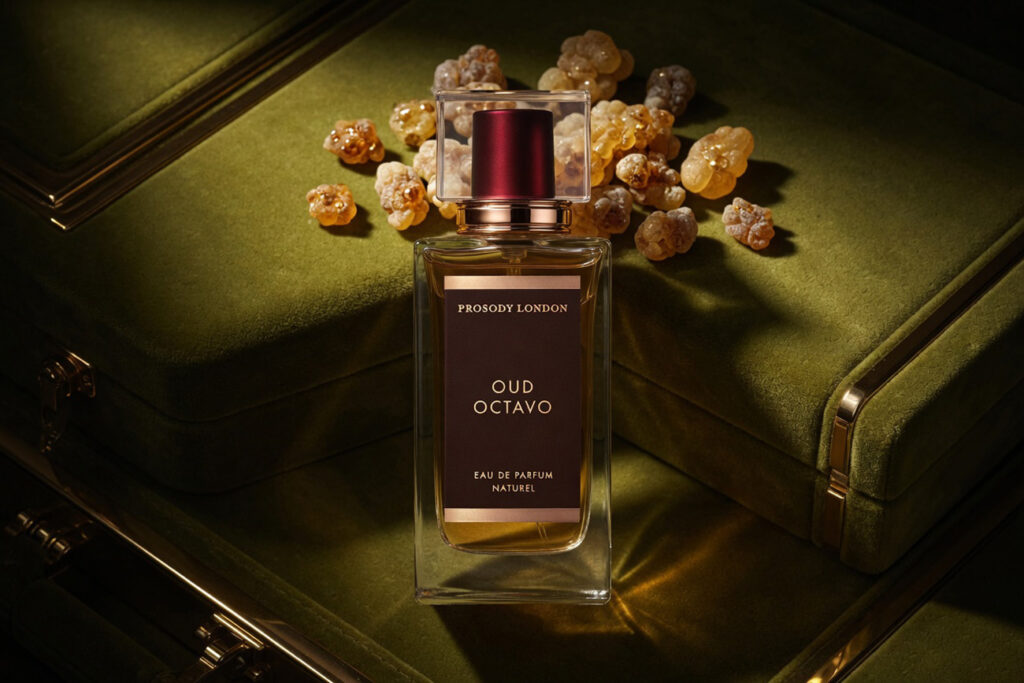
CaFleureBon has followed the line since 2019: senior editor Lauryn Beer reviewed Mocha Muscari and Rose Rondeaux, later reviewed Jacinth Jonquil, and named Pizzicato Bliss in her top ten perfumes of 2020.
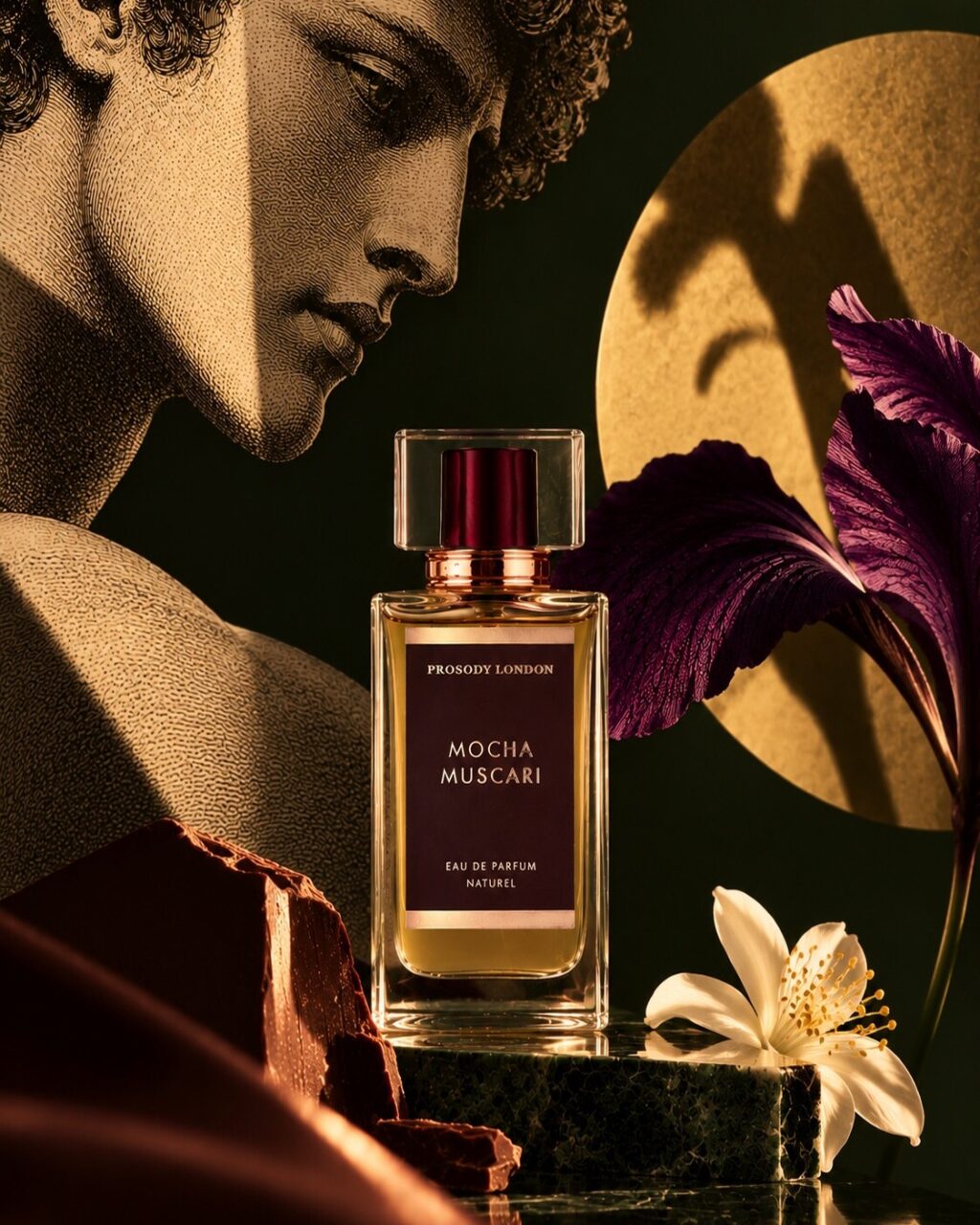
The Perfume Society describes the collection as “so beautifully composed, so harmoniously sophisticated, that many people don’t even realise they are – gloriously, unashamedly – all natural and organic”. (For accuracy: the perfumes are composed from natural materials in organic grain alcohol, and are not certified organic.) Santal Foy was shortlisted for the Fragrance Foundation UK People’s Choice Award in 2023.
Who it’s for: anyone curious about perfume composed entirely from botanical materials. Not sure where to start? Try the Build Your Own 6 x 2ml Discovery Set.
Other houses worth knowing
This is my pick of five, not a full survey. These houses also come up often when people ask about the best perfume brands:
- Dior: Domaine de Manon grows its Grasse rose and jasmine for the house; Francis Kurkdjian has led its perfume creation since 2021.
- Tom Ford: Black Orchid (2006) and the Private Blend collection (2007).
- Le Labo: founded in New York in 2006; its perfumes are mixed and labelled to order in its shops.
- Byredo: founded in Stockholm in 2006 by Ben Gorham.
- Maison Francis Kurkdjian: founded in Paris in 2009, best known for Baccarat Rouge 540.
- Diptyque: founded in Paris in 1961; its first candles followed in 1963, and its first eau de toilette, L’Eau, in 1968.
- Jo Malone London: known for light, cologne-style scents designed to be layered.
- Penhaligon’s: founded in London in 1870 by William Penhaligon.
Read more in our guides to niche perfume brands, British perfume brands, perfume brands for quality ingredients and rose perfume.
FAQ on best perfume brands
What is the best perfume brand?
It depends on what you value. For a global icon and Grasse-grown jasmine: Chanel. For nearly two centuries of perfumery: Guerlain. For perfumer-led niche work: Frédéric Malle. For a quiet, consistent house style: Hermès. For perfume composed entirely from plant-derived aromatic ingredients, praised by critics including Luca Turin: Prosody London.
Which perfume brands work with flower growers in Grasse?
Several houses secure Grasse flowers through long partnerships with growing families. Chanel has worked with the Mul family at Pégomas since 1987 and bought further land in the area in 2021. Domaine de Manon grows its rose and jasmine for Dior. Guerlain works with the Gastaldi family at Domaine Le Mas des Sources.
What is the best-selling Chanel perfume?
Sales figures for individual perfumes aren’t published, but No. 5, composed by Ernest Beaux and launched in 1921, is Chanel’s most famous fragrance and one of the best-known perfumes in the world. Coco Mademoiselle (2001) is one of its most successful modern fragrances.
Is natural perfume as good as mainstream perfume?
Quality varies by house, as in any category. Composing only with natural materials means working with a smaller palette, which makes it technically harder, but done well it can earn the same critical respect: Luca Turin, CaFleureBon and The Perfume Society have all written favourably about Prosody London. For more, see our guide to the best natural perfume in the UK.
Explore further
Best Niche Perfume Brands
The 10 Best British Perfume Brands
Quiet Luxury Perfume Brands 2026
Best Rose Perfume for Women 2026
Best Natural Perfume UK 2026
Is Niche Perfume Worth the Price?
Build Your Own 6 x 2ml Discovery Set