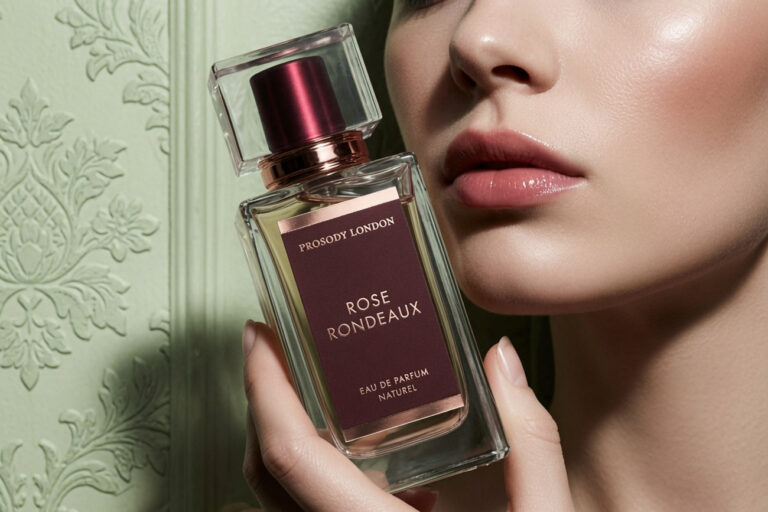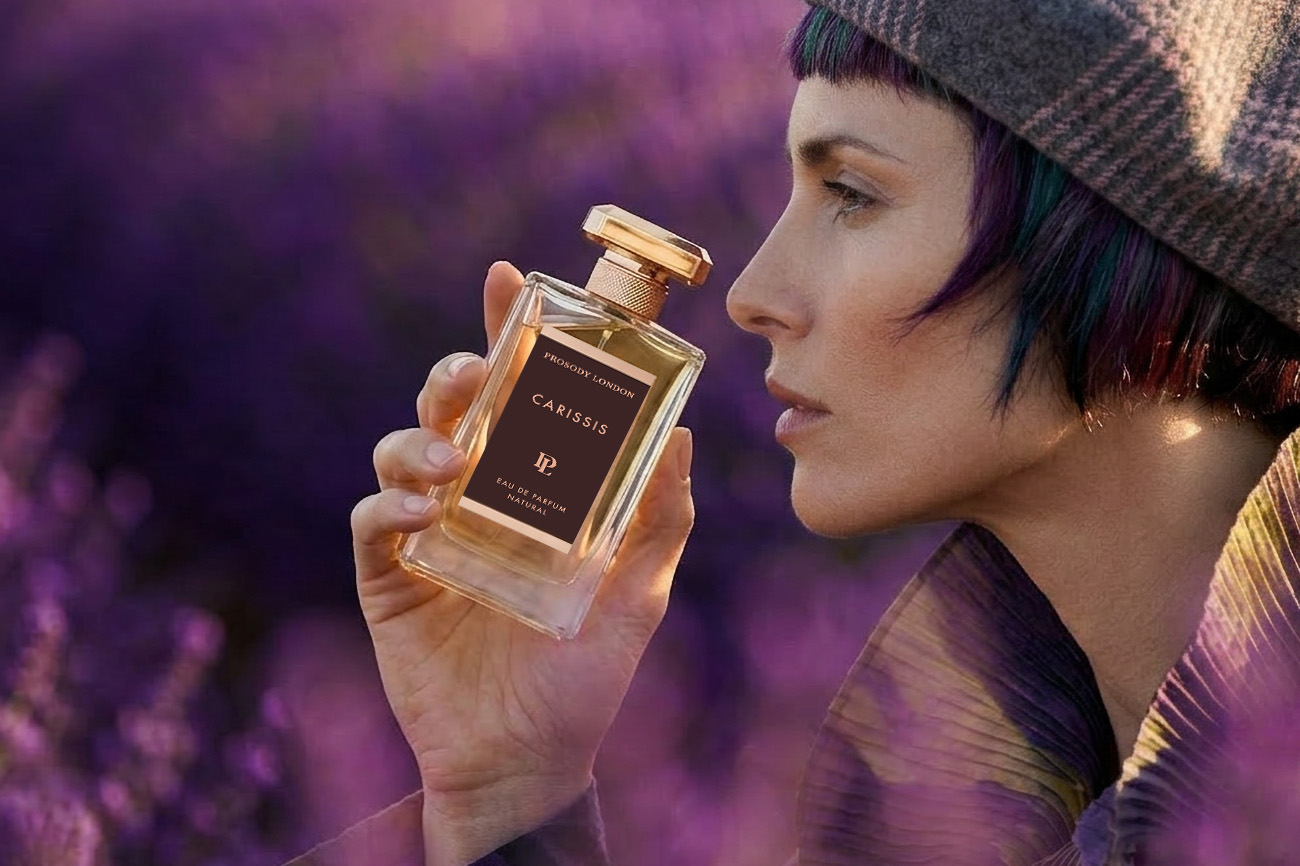
Lavender Perfume: The Science of Its Scent and Two Natural Fragrances
By Kershen Teo | Founder & Perfumer, Prosody London
My love affair with lavender
My love of lavender began long before I became a perfumer, let alone made a lavender perfume. Walking around Finchley Road in London, I would pass gardens where it grew, brush the plants and pick gently at the flowers and leaves, and feel the fragrance released into my hands. The scent in that moment is immediate, fresh and alive. You are not smelling an interpretation of lavender; you are smelling the plant itself.
I loved it so much that I promised myself that one day I would buy a house in London and grow my own. Eventually I did, and I planted both French and English lavender. I found them equally marvellous, each with its own character.
What I love about lavender is a combination of qualities that might seem contradictory: a floral sweetness, which comes largely from linalool and linalyl acetate, and an unmistakable camphoraceous edge that is slightly bitter, aromatic and penetrating. Together they make a beautiful smell. For me, lavender evokes instant tranquillity. It takes me somewhere quieter, and that ability of a scent to carry you away from the demands of the day is what I consider pure luxury.
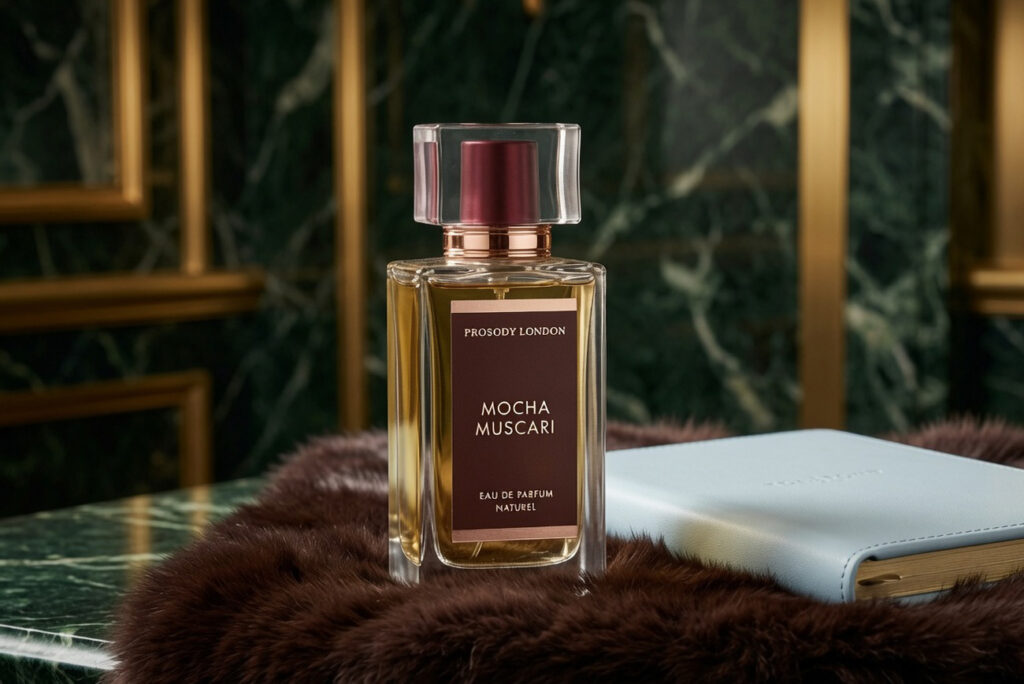
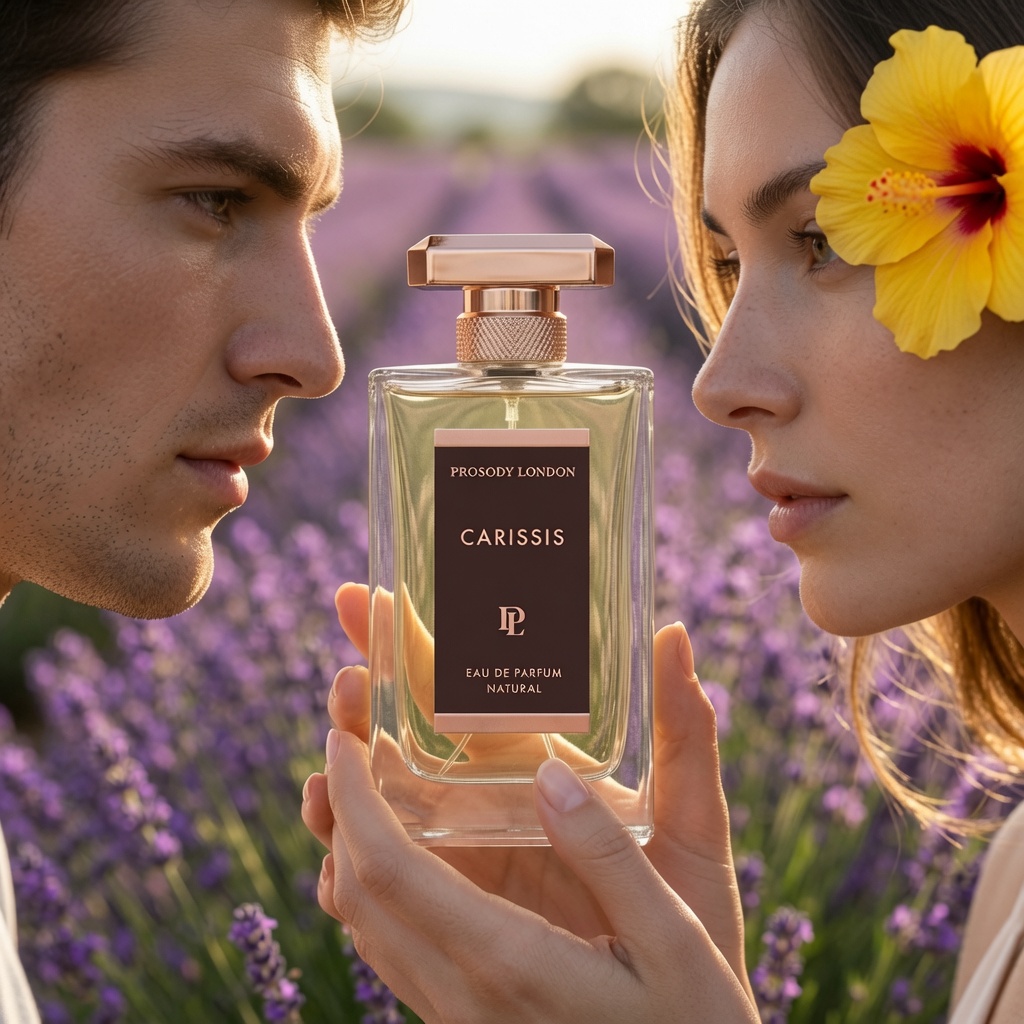
When I began using lavender in my own perfumes, though, I wanted it to do more than that. In Mocha Muscari I wanted it to become sensual, using its camphoraceous bitterness to give coffee a lighter, more diffusive expression. In Carissis I wanted something entirely different: an intimate skin scent with fruitiness, a clean-laundry impression and the soft, musk-like warmth of ambrette seed. Lavender is the connecting thread, but it plays a very different role in each.
What does lavender perfume smell like?
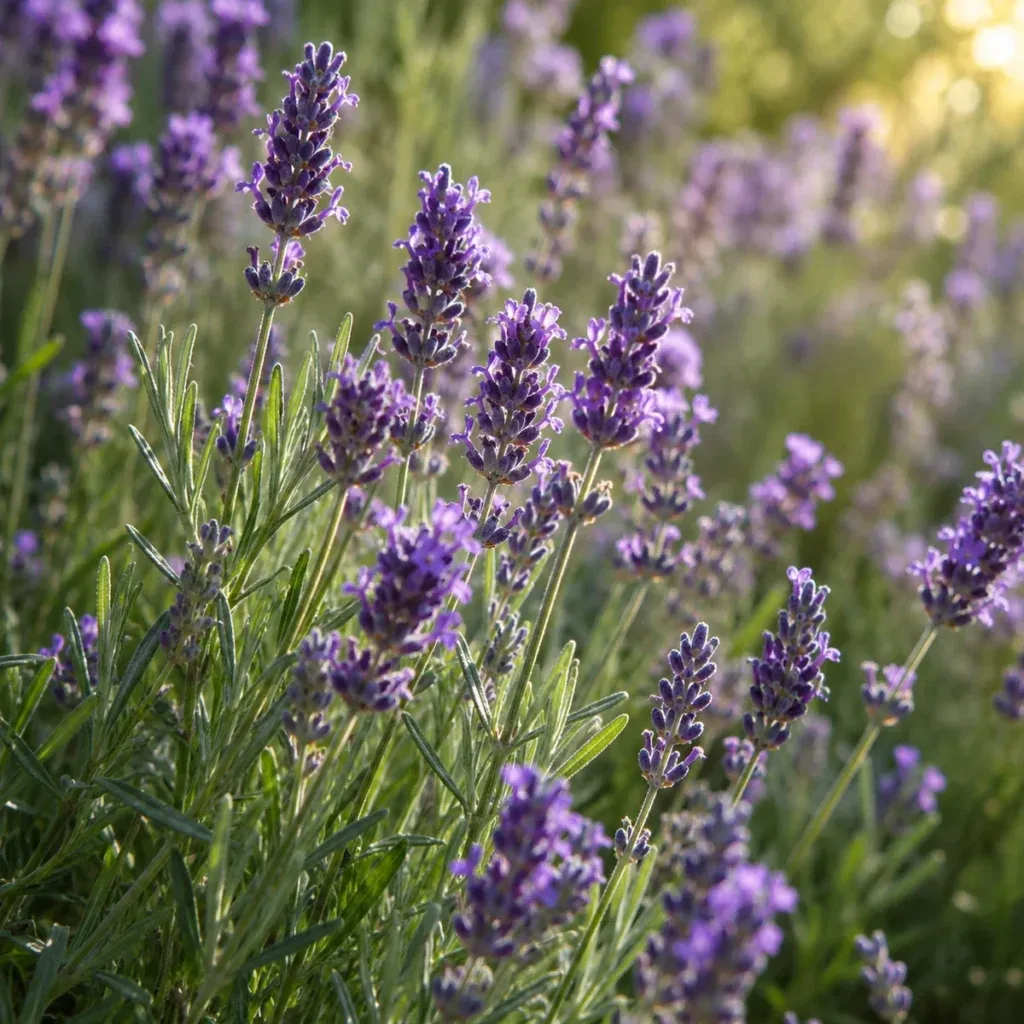
Lavender sits in an interesting position in perfumery because it is floral, herbal, sweet and aromatic all at once. A beautiful lavender oil can suggest flowers warmed by the sun, freshly crushed green stems and a cool, camphoraceous freshness.
It is not simply a floral ingredient. Its herbal and bitter facets let it connect with materials that might seem unrelated, from citrus and spices to coffee, woods, resins and fruit, which is why it turns up in so many fragrance families. (For more on the raw material itself, see my notes on lavender as an ingredient.)
English lavender and French lavender
The common names can be confusing because they vary from country to country. True lavender, Lavandula angustifolia, is usually called English lavender and is valued for its relatively soft, floral character. The plant sold as French lavender in British gardens is often Lavandula stoechas, recognisable by the bracts that sit above its flower heads like little flags.
Lavandin, Lavandula × intermedia, is a hybrid of true lavender and spike lavender, with a stronger camphoraceous character. These differences matter in perfumery because each species and variety gives a different aromatic profile, and the balance of its molecules also shifts with growing conditions, harvest and extraction.
The molecules behind lavender’s scent
Lavender’s familiar smell comes from a complex mixture of volatile compounds. No single molecule accounts for it, but four help explain its character.
| Molecule | What it contributes to the smell |
|---|---|
| Linalool | Fresh, floral, softly woody |
| Linalyl acetate | Sweet, rounded, fruity-floral |
| Camphor | Sharp, cool, penetrating |
| 1,8-Cineole | Fresh, eucalyptus-like, aromatic |
Linalool is a terpene alcohol found in lavender and many other botanicals. It brings floral freshness with woody and citrus-like nuances, which helps lavender connect with flowers, citrus and aromatic herbs in a composition.
Linalyl acetate is an ester that gives lavender its softer, sweeter, rounder side, and much of the floral-herbal quality of a fine lavender oil. Where the camphoraceous notes feel sharp, linalyl acetate brings smoothness. That internal contrast is what interests me: lavender is neither an entirely sweet flower nor simply a bitter herb, and the balance between the two is what makes it so useful.
Camphor is a distinct molecule with a penetrating, cooling smell, but in perfumery we also use camphoraceous to describe a broader aromatic impression, and lavender’s camphoraceous character does not come from camphor alone. What I value is the slightly bitter quality I perceive inside that freshness. It is a counterweight to sweetness. In Mocha Muscari I use it to connect lavender with coffee; in Carissis it balances the fruit. Neither perfume is meant to smell medicinal. A small aromatic contrast simply changes how the other ingredients are perceived.
Why is lavender associated with calm?
Lavender has been part of bathing, scented linen and household rituals for centuries, and many people associate its smell with relaxation. That association is largely cultural and personal: we learn what a scent means from where we have met it. For me it is first a sensory memory, of those London gardens and the fragrance rising into my hands. If you are drawn to softer, quieter scents generally, my guide to calming scents and perfumes goes further.
A lavender perfume is a pleasure to wear, not a treatment. It will not cure anxiety or sleep problems, and if you are struggling with either, please speak to a doctor or other qualified professional.
Lavender in modern perfumery: beyond the traditional cologne
Lavender has a long history in aromatic colognes and fougères, often alongside citrus, coumarin, mossy notes and woods, and it is still widely associated with traditional men’s perfumery. I have never thought of it as belonging to one gender or one style. It can bring freshness to an amber, aromatic contrast to a gourmand or refinement to a delicate floral skin scent. I am most interested in what happens when it sits beside materials that seem to have little in common with it, and coffee and fruit are two good examples.
Mocha Muscari: making lavender sensual through coffee
Gourmand · woody · amber
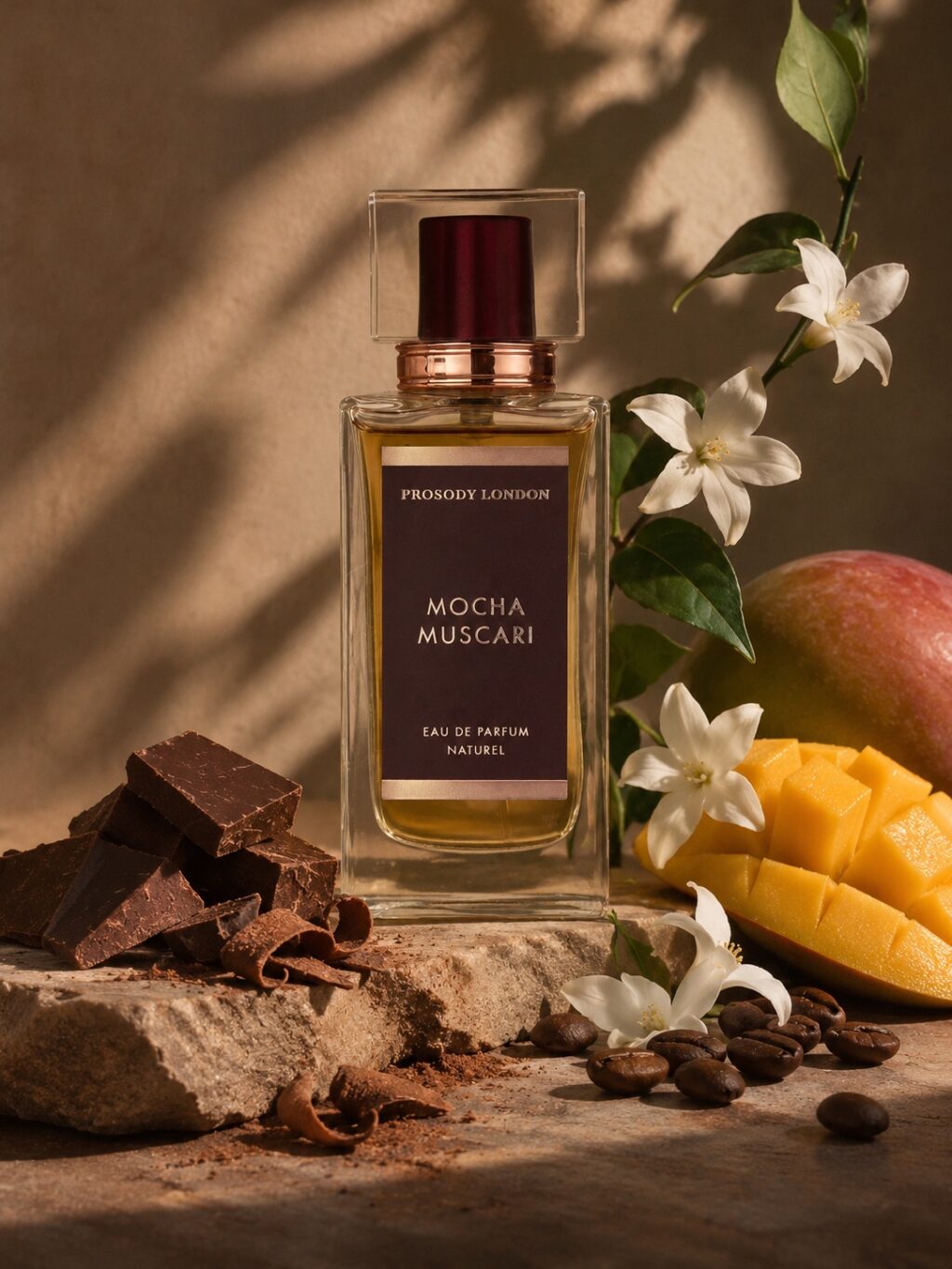
Mocha Muscari sets lavender beside coffee CO₂, coconut CO₂, spices, florals, vanilla and dark woods. Coffee is a fascinating material, but in perfumery it can be surprisingly dull: a beautiful roasted character that feels dense and rather static. While developing Mocha Muscari, I kept thinking about the relationship between coffee’s roasted bitterness and lavender’s camphoraceous edge. They are very different materials, but I perceive a connection between them.
Lavender as a diffusive expression of coffee
My intention was not simply to set something fresh against something dark. I wanted lavender to become a lighter, more diffusive expression of the coffee itself. The coffee provides the roasted depth; lavender takes that bitterness and expresses it in a more aromatic, expansive way, so the coffee feels less heavy and more expressive. Lavender does not need to announce itself as a conventional lavender note here. It works inside the composition, giving the coffee another dimension, and that is central to the perfume’s sensual character.
Coconut, flowers and woods
Coconut CO₂ adds a creamy note against the roast. Jasmine and linden blossom bring floral nuances, and the base of vanilla, agarwood, sandalwood, vetiver, patchouli, Peru balsam, ambrette seed and frankincense gives a warm, woody, resinous structure. I did not want a literal coffee fragrance. I wanted richness with movement in it, sweetness held against bitterness, and warmth with an aromatic lift.
Who might enjoy Mocha Muscari?
Someone who enjoys unconventional gourmands, roasted coffee notes and warm woody fragrances. It may also suit someone who usually avoids lavender because they associate it with old-fashioned cologne; here it takes on a much more sensual personality.
My perfumer’s perspective: lavender gives coffee an aromatic dimension that I do not think coffee has on its own. It lets me make a dense ingredient feel lighter and more diffusive without losing its roasted character.
Carissis: lavender, fruit and the art of restraint
Fresh · green · intimate skin scent
Carissis began with a different intention. I wanted a perfume that expressed tranquillity, and lavender suggested itself because of my own associations with it. But I also wanted Carissis to feel contemporary, intimate and sophisticated, with fruitiness, a soft clean-laundry impression and the musk-like warmth of ambrette seed. The challenge was the balance.

Why fruitiness needs an opposing quality
Many commercial perfumes become so fruity and sweet that they turn cloying. When I smell one, I often think that just a touch of camphoraceous character would make an enormous difference. Lavender offers exactly that: its aromatic, slightly bitter quality counterbalances fruit and makes sweetness feel more restrained. I did not want to remove the fruit. Carissis keeps its delicate melon, blueberry and pear accords, but I wanted them to feel sophisticated rather than sugary.
Lavender and ambrette seed
Ambrette seed is one of the materials I most enjoy in natural perfumery. Its soft, musk-like quality creates intimacy, and in Carissis it establishes the character of a skin scent. Lavender adds aromatic freshness, the fruit gives a gentle sweetness, rose and violet leaf bring floral and green tones, and amyris, styrax and agarwood support it underneath. The result feels clean and intimate without being a conventional laundry fragrance.
Why balance matters more than sweetness
Sophistication in perfumery often comes from balance. A fragrance does not become more beautiful by becoming sweeter; sometimes it needs an opposing quality to reveal the beauty of what is already there. In Carissis, lavender’s mix of floral sweetness and aromatic bitterness keeps the fruit from dominating, so the perfume feels soft but substantial, and fruity without being cloying.
My perfumer’s perspective: Carissis is about the luxury of restraint. Lavender contributes to its tranquil character, but its more important technical job is to balance the fruit and help make a sophisticated, intimate skin scent.
Mocha Muscari or Carissis: which lavender perfume suits you?
| Mocha Muscari | Carissis | |
|---|---|---|
| Character | Rich, sensual gourmand | Soft, tranquil skin scent |
| Lavender’s role | Gives coffee lift and aromatic diffusion | Balances fruity sweetness |
| Key contrast | Coffee CO₂ | Fruity accords |
| Supporting materials | Coconut, jasmine, vanilla, dark woods | Violet leaf, rose, ambrette seed |
| Overall impression | Warm, unconventional, expressive | Intimate, refined, understated |
| When I would wear it | Evenings and cooler weather | Every day and in close company |
Neither is meant to smell like a simple lavender essential oil. Both use lavender as part of a more complex idea. If you cannot decide, a discovery set lets you try both on skin before choosing a bottle.
Is lavender perfume feminine or masculine?
Lavender has a long history in fragrances marketed to men, especially aromatic colognes and fougères, and its floral sweetness works just as well in fragrances marketed to women. I do not regard it as either. The character of the finished perfume depends on what surrounds it: with coffee and dark woods it becomes sensual and robust; with fruit, florals and ambrette, delicate and intimate. Both can be worn by anyone who enjoys them.
Is natural lavender perfume better than synthetic lavender?
Natural lavender oil is a complex mixture of aromatic constituents. A synthetic lavender accord recreates selected parts of that smell from individual aroma molecules. Neither approach automatically guarantees better longevity, greater safety or a more pleasing fragrance.
At Prosody London I work with botanical aromatic materials because I enjoy their complexity and the creative possibilities they offer. Our perfumes are made with natural fragrance ingredients in organic grain alcohol, without synthetic fragrance ingredients or animal-derived musk.
Natural does not mean allergen-free. Lavender oil naturally contains compounds such as linalool, which can cause reactions in susceptible people, particularly once it has oxidised. If you have known sensitivities, check the ingredient declaration on the product page.
How to choose and wear lavender perfume
Think beyond the lavender note itself and ask what you want the fragrance to express. Do you enjoy aromatic freshness, or something warm and sensual? A perfume that announces itself, or one that stays close? If you enjoy rich gourmands, Mocha Muscari is an unusual way to experience lavender. If you prefer soft, refined skin scents, Carissis may appeal more.
Give the perfume time on your skin, because the opening is only the beginning. In Mocha Muscari, notice how the roasted coffee interacts with the aromatic freshness. In Carissis, notice how the fruity opening settles into the softer floral and ambrette character.
Frequently asked questions
What does lavender perfume smell like?
Usually a mix of floral sweetness and herbal, green, aromatic freshness. Depending on the material, it can also have camphoraceous or slightly woody facets.
Why is lavender associated with relaxation?
Lavender has a long cultural association with bathing, scented linen and household rituals, so many people connect its smell with rest and quiet. That association is personal and cultural; a lavender perfume is not a treatment for anything.
What are the main aromatic molecules in lavender?
Linalool and linalyl acetate give lavender much of its floral, sweet-herbal character. Camphor and 1,8-cineole add sharper aromatic facets. The proportions vary between lavender species and oils.
Can lavender make a fruity perfume less sweet?
Yes. Lavender’s herbal, camphoraceous character contrasts with fruity sweetness and makes it feel more restrained. It is one of the ways I use lavender in Carissis.
Why combine lavender with coffee?
In Mocha Muscari, lavender’s slightly bitter, camphoraceous quality connects with coffee’s roasted bitterness, and its lighter aromatic character makes the coffee feel more diffusive.
Does lavender perfume help with anxiety or sleep?
No perfume treats anxiety or sleep problems. Prosody London perfumes are cosmetic products, not medical treatments. If you are struggling, speak to a doctor or other qualified professional.
Which Prosody London perfumes contain lavender?
Mocha Muscari and Carissis. Mocha Muscari explores lavender with coffee and dark woods; Carissis uses it to balance fruit in a soft botanical skin scent.
Lavender: the luxury of balance
I still think of those gardens around Finchley Road, and the promise I made to grow my own. That pleasure has never gone. What has changed is my understanding of what lavender can do: give coffee a lighter, more expressive character, keep fruit from turning cloying, and bring a sense of tranquillity without making a perfume conventional. For me, that is the real luxury of lavender, the balance within its scent rather than the sweetness of its flowers alone.
- Mocha Muscari: a sensual natural gourmand of lavender, coffee and dark woods.
- Carissis: an intimate natural skin scent of lavender, delicate fruit accords, green florals and ambrette seed.
Prosody London perfumes are made with natural fragrance ingredients in organic grain alcohol. Botanical ingredients contain naturally occurring fragrance allergens, including linalool; see each product page for the full list. Accords marked ° on our product pages are built from natural isolates.