15 Clean Luxury Perfumes to Know in 2026
By Kershen Teo | Founder & Perfumer, Prosody London
At a Glance — 15 Best Clean Luxury Perfumes 2026
Fifteen luxury fragrances, considered through one lens: ingredient quality, formulation transparency, and craftsmanship. Santal Foy and Mocha Muscari from Prosody London are 100% botanical, formulated without synthetic aroma chemicals, synthetic musks, or added phthalates. Parisian Musc from Matière Première and White Sandalwood from Goldfield & Banks take a different approach, combining natural materials with deliberately selected synthetic ingredients. Together, the fifteen represent a range of approaches to modern fragrance formulation. This isn’t natural ranked against synthetic — it’s an exploration of how different houses approach materials, transparency, and composition.
| Fragrance | House | Formulation approach | Why it’s included |
|---|
| Jacinth Jonquil | Prosody London | 100% Botanical | CO₂-extracted jasmine and hyacinth, with no synthetic aroma chemicals |
| September | Björk & Berries | Natural + Synthetic | Woody-aromatic composition built around lavender, citrus, woods and smoke |
| Carissis | Prosody London | 100% Botanical | Ambrette seed provides a naturally derived musk-like character |
| Aroma | Costa Brazil | Natural + Synthetic | Resin-led composition centred on Amazonian breu and woody-spicy notes |
| Santal Foy | Prosody London | 100% Botanical | Australian and Mysore sandalwood layered with coconut, tonka, rose and vanilla |
| Little Flower | Régime des Fleurs | Natural + Synthetic | Peony, rose, black tea and musk, with detailed published ingredient information |
| Rose Rondeaux | Prosody London | 100% Botanical | A deliberately pared-back rose composition built around botanical rose material |
| Parisian Musc | Matière Première | Natural + Synthetic | Cedar and modern musk materials create a soft, close-to-skin character |
| Neroli Nuance | Prosody London | 100% Botanical | Orange blossom absolute takes centre stage in a focused botanical composition |
| Florist | Ellis Brooklyn | Natural + Synthetic | White-floral composition combining tuberose, gardenia, jasmine and other materials |
| Oud Té | Fueguia 1833 | High Natural Content | Minimal tea-and-agarwood composition with a deliberately stripped-back character |
| Mocha Muscari | Prosody London | 100% Botanical | Agarwood and sandalwood form the foundation for a darker botanical composition |
| Eau Triple Berkane Fleur d’Oranger | Buly 1803 | High Natural Content | Orange blossom, neroli and bergamot create a classic luminous floral profile |
| Ummo | Xinú | Natural + Synthetic | Jasmine, tobacco and styrax combined with modern aroma materials including Hedione and Karmaflor |
| White Sandalwood | Goldfield & Banks | Natural + Synthetic | Australian sandalwood paired with Turkish rose, saffron, thyme and pepper |
Fragrance ingredients are biologically active chemicals, and some can be absorbed through the skin. Their significance depends on the specific substance, concentration, formulation, and exposure conditions. Regulatory assessments therefore consider individual ingredients in the context of expected use rather than treating “natural” or “synthetic” as a proxy for safety on its own.
I formulate exclusively with 100% botanical ingredients — that’s the discipline I’ve chosen for my own work, not a claim that natural materials are inherently safer than synthetic ones. Natural materials can be allergens or irritants too, while synthetic materials can be well studied and carefully evaluated. This guide is for anyone who wants to understand what they’re evaluating, whether that means choosing fully botanical fragrance or a house that is deliberate and transparent about the synthetic materials it uses.
That’s the thread connecting everything below: craftsmanship, materials, and formulation choices. Rare botanical extracts, carefully selected aroma materials, concentration, sourcing, and production all contribute to the cost and character of a luxury fragrance.
Below are 15 luxury perfumes for 2026 — my own 100% botanical formulations alongside houses taking different approaches to natural and synthetic materials, curated through the lens of elevated craftsmanship and ingredient transparency.
Ingredient-Conscious & High-Natural — and Their 100% Botanical Parallels
Nine floral and floral-adjacent picks from houses taking different approaches to ingredient selection and transparency — from fully botanical compositions to fragrances combining natural materials with selected synthetic aroma chemicals.
For this article, “clean” is used as an editorial description rather than a regulated safety designation. The distinction here is formulation philosophy: what materials a house chooses, how openly it discusses them, and how those choices shape the finished fragrance.
Björk & Berries — September
Lavender, kumquat, pomelo, apple blossom, vetiver, guaiac wood, smoke and praline. A woody-aromatic composition with a fresh, textured opening and a smoky, woody dry-down, often compared by reviewers to the aesthetic of Le Labo’s Santal 33.
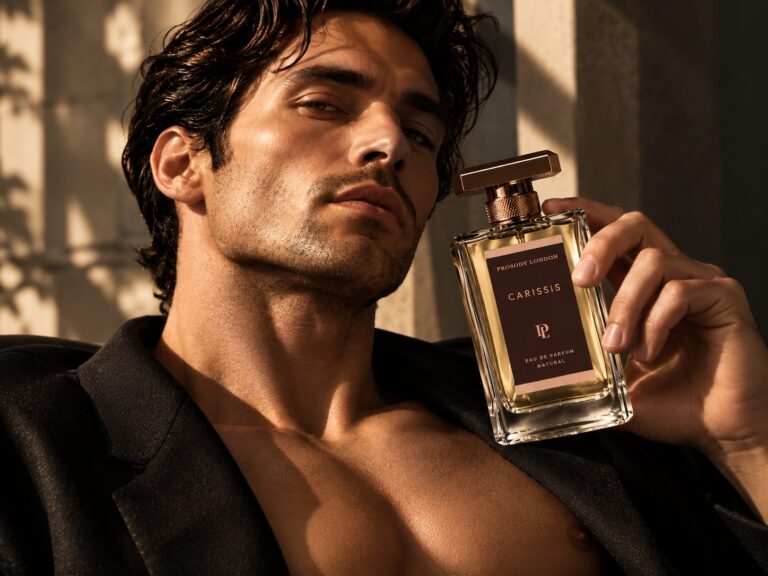
The parallel here is closer than most on this list. Carissis opens with a similarly fresh pairing of aromatic and fruity notes — melon standing in for September’s kumquat and pomelo — before the two diverge. September moves into smoke, guaiac wood and praline; Carissis stays closer to skin, settling into styrax, rose and peach before landing on ambrette seed and violet leaf.
→ Shop Carissis

Costa Brazil — Aroma
Breu resin, white flowers and woody-spicy notes. A distinctive resin-led composition built around the character of breu, with a warm, woody base.
Santal Foy reaches for a related resinous warmth, but through a very different material palette. It opens on coconut and carrot seed, moves through tonka bean, rose, myrrh and vetiver, and settles into Australian and Mysore sandalwood, orange blossom and Madagascan vanilla. Where Aroma puts breu resin at the centre, Santal Foy builds its texture around the natural creaminess of sandalwood and botanical materials.
→ Shop Santal Foy
Régime des Fleurs — Little Flower
Peony, Ottoman rose, black tea and musk. Its published ingredient information provides detailed disclosure of fragrance allergens and listed aroma materials, including hydroxycitronellal, linalool, alpha-isomethyl ionone, coumarin and eugenol.
The botanical counterpart is Rose Rondeaux, built around rose as its defining material rather than a broader synthetic floral construction. Where Little Flower creates its particular texture through a combination of floral materials and aroma chemicals, Rose Rondeaux keeps its composition deliberately pared back around botanical rose material.
→ Shop Rose Rondeaux

Matière Première — Parisian Musc
Virginia cedar, with a soft musk character running through the heart and base. Clean, woody and understated, with a close-to-skin character that makes it an interesting study in modern musk.
The echo here is specific: Parisian Musc has a musk character that recalls the softness of ambrette. Carissis approaches that impression through ambrette seed itself, sometimes described as a botanical or “vegetable” musk because of its naturally musky character. Both fragrances favour intimacy over sheer projection, but arrive there through very different material choices.
→ Shop Carissis
Ellis Brooklyn — Florist
Tuberose, bergamot, gardenia, honeysuckle and jasmine. The brand describes its approach as using synthetic materials selectively alongside natural ingredients.
Jacinth Jonquil shares Florist’s white-floral brightness and jasmine character, but approaches the composition through botanical materials including CO₂-extracted jasmine and hyacinth. The result is a useful comparison between two different ways of building a luminous white-floral fragrance.
→ Shop Jacinth Jonquil

Fueguia 1833 — Oud Té
Black tea and agarwood. A deliberately minimal composition built around the contrast between tea and oud.
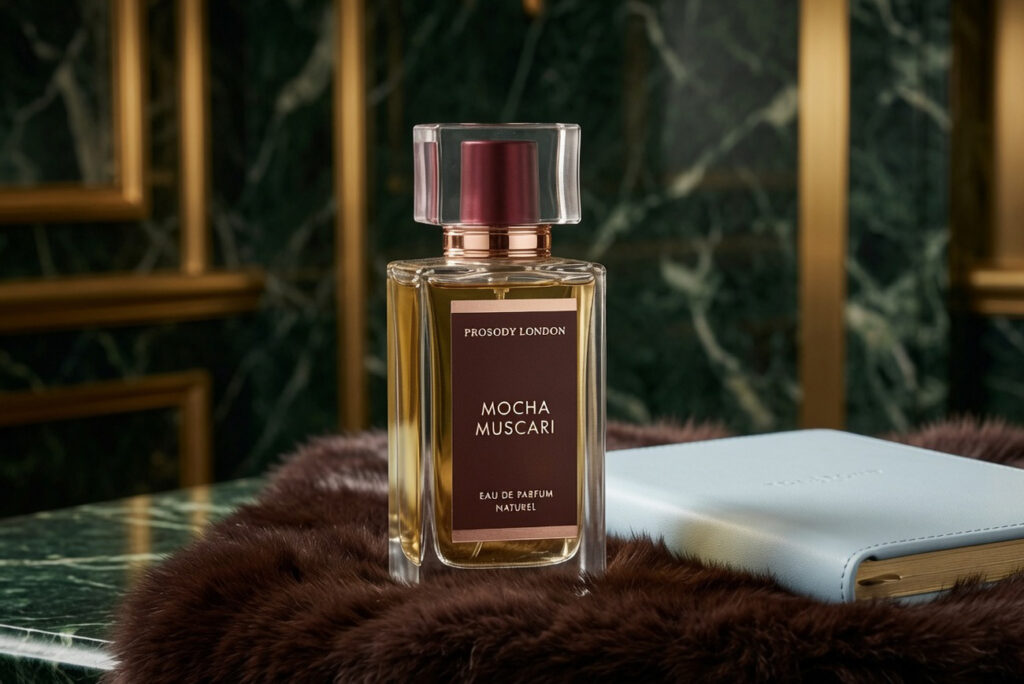
Mocha Muscari shares the same broad structural interest in agarwood, but builds outward from it. Mango, jasmine, lavender, mandarin, vetiver and patchouli add considerably more colour and movement around the agarwood and sandalwood foundation.
→ Shop Mocha Muscari
Buly 1803 — Eau Triple Berkane Fleur d’Oranger
Orange blossom, neroli, bergamot and white musk. A classic orange-blossom construction with a fresh, luminous profile.
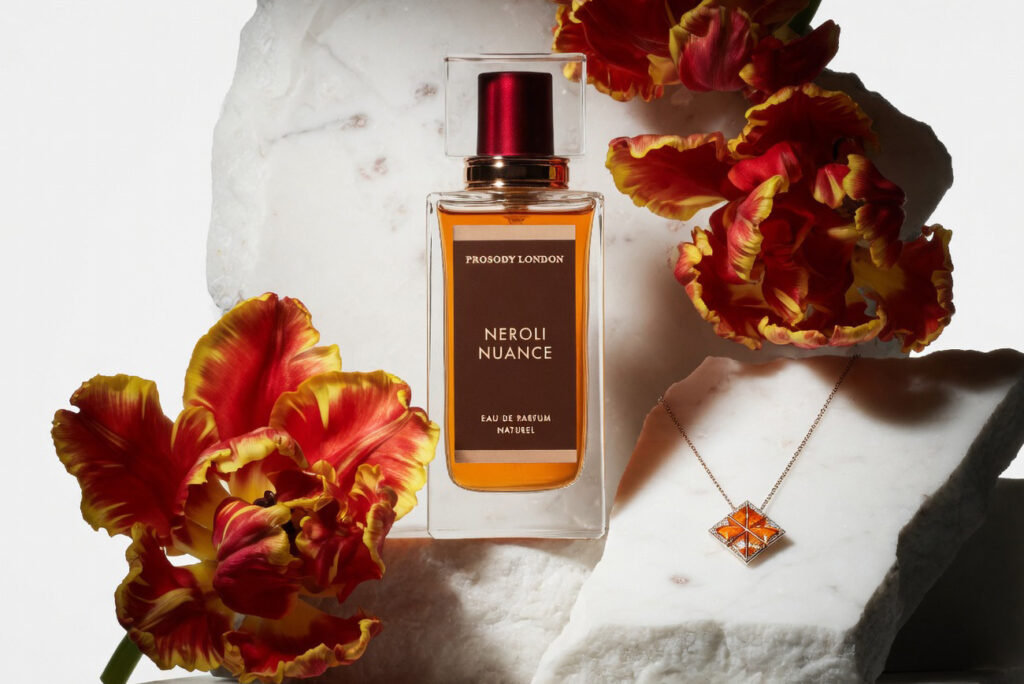
This is close to a direct olfactory comparison. Neroli Nuance is built around the same orange-blossom territory, but keeps the focus on orange blossom absolute rather than introducing white musk into the composition.
→ Shop Neroli Nuance
Xinú — Ummo
Jasmine, tobacco and styrax, with a woody-aromatic character. Its published formulation information identifies materials including Hedione and Karmaflor, making it an interesting example of a fragrance that combines botanical materials with modern aroma chemicals.
Mocha Muscari shares two points of contact here — jasmine and a darker woody depth created through agarwood and patchouli. The two compositions arrive at related territory through very different material palettes.
→ Shop Mocha Muscari
Goldfield & Banks — White Sandalwood
Australian sandalwood, Turkish rose, saffron, thyme, pepper and amber. A sandalwood-led composition that combines Australian botanical materials with additional aroma ingredients disclosed in its published ingredient information.
A direct sandalwood-to-sandalwood comparison. Santal Foy is built around Australian and Mysore sandalwood, layered with coconut, tonka and vanilla rather than saffron and rose. Both use sandalwood as a central source of warmth and texture, but the surrounding palettes take them in very different directions.
→ Shop Santal Foy

What’s Actually in a Clean Luxury Fragrance
A few ingredient categories have drawn sustained scientific attention across the fragrance industry. Here’s what the evidence actually shows, briefly — for the full picture, see our guide to endocrine disruptors in perfume.
Synthetic musks. Compounds such as galaxolide and tonalide have been detected in human breast milk and blood plasma in multiple studies, while musk xylene and musk ketone have shown estrogenic activity in laboratory studies using human breast cancer cells. Those are laboratory findings, not evidence of endocrine disruption in humans at typical fragrance-use levels. Regulatory assessments consider exposure levels and intended use when evaluating safety.
Phthalates. Diethyl phthalate (DEP) is the phthalate most commonly discussed in relation to fragrance. The FDA states that it “does not have safety concerns with the use of DEP as currently used in cosmetics and fragrances.” Worth being precise: research on other phthalates, in other contexts, should not be read as a statement about DEP specifically.
Undisclosed formulation. “Fragrance” or “parfum” on an ingredient list can cover multiple fragrance ingredients without individually naming each one. That’s a transparency question, not automatically a safety one.
Where I land, as a formulator. I work exclusively with botanical materials because it’s the standard I’ve chosen — not because I claim natural is universally safer than synthetic. The comparisons in this piece are about how deliberately and transparently each house approaches its own formulation, not natural ranked against synthetic.
FAQ on best clean luxury perfume

What makes clean luxury perfume “clean”?
“Clean” is not a regulated safety designation, and there is no single universal definition across the fragrance industry. In this article, I use the term as an editorial description for formulations that deliberately avoid or disclose particular categories of ingredients. It is about formulation choices and transparency, not a guarantee that a fragrance is risk-free.
Are all luxury perfumes synthetic?
No. Luxury fragrance spans a wide range of formulation approaches, from predominantly botanical compositions to formulas that combine natural extracts with synthetic aroma chemicals. Synthetic materials can provide consistency, stability, diffusion and particular olfactory effects; botanical materials offer their own distinctive complexity and character. The important question is what a particular fragrance actually contains and how openly that information is presented.
Do synthetic musks and phthalates in perfume pose a health risk?
The answer depends on the specific substance and the level and duration of exposure. Some synthetic musks and phthalates have been studied for persistence, biological activity and other toxicological properties, while regulatory bodies assess permitted cosmetic ingredients according to available evidence and expected exposure. Laboratory findings should not automatically be interpreted as evidence of harm from normal perfume use. Consumers who prefer to minimise particular ingredients can choose formulations that disclose and avoid them.
What’s the difference between “clean” and “100% natural” perfume?
“Clean” is a broader, less standardised term and does not necessarily mean that a fragrance contains no synthetic materials. “100% botanical” is a formulation claim referring to the origin of the aromatic materials used. Neither term should be treated as a universal safety guarantee: botanical materials can be allergens or irritants, while synthetic materials can also be carefully assessed for intended use.
Which of these picks are 100% botanical?
Six of the fifteen — Jacinth Jonquil, Carissis, Santal Foy, Rose Rondeaux, Neroli Nuance and Mocha Muscari — are Prosody London fragrances formulated to the brand’s 100% botanical standard. The remaining nine take different approaches, ranging from predominantly natural formulations to compositions that combine botanical materials with synthetic aroma ingredients. Always check the individual brand’s current ingredient information, as formulations and disclosures can change.