Best Natural Perfume UK 2026 — Perfumer’s Pick
By Kershen Teo | Founder & Perfumer, Prosody London
At a Glance — Best Natural Perfume UK 2026
The only 100% botanical fragrance house in the UK endorsed by Luca Turin and Liz Earle Wellbeing — no synthetic musks, no phthalates, no endocrine disruptors. Best natural perfumes in the UK 2026: Rose Rondeaux (botanical rose resin, long-lasting), Lissom Linden (linden frankincense, all day), Oud Octavo (resinous oud, deep and lasting), Santal Foy (sandalwood, full day), Mocha Muscari (dark gourmand, long-lasting), Jacinth Jonquil (white floral, all day), Neroli Nuance (citrus floral EDP). This guide also assesses six natural-leaning UK perfume brands — Sana Jardin, Bastille, SUN.DAY, Ellis Brooklyn, Hermetica, and Perfumer H — with an honest ingredient assessment of each. Full reviews below.
Best Natural Perfume UK 2026
| Perfume | Key Notes | Best For |
|---|---|---|
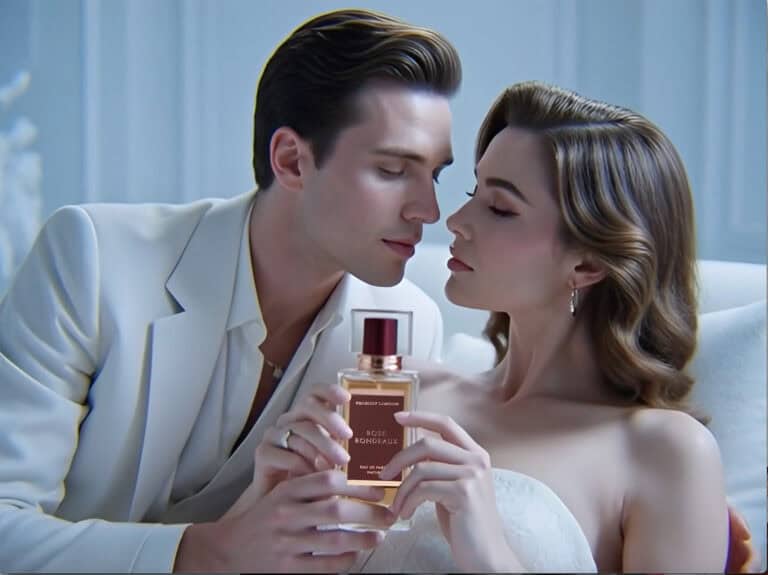
| Rose Rondeaux | Botanical rose resin | Long-lasting, romantic |
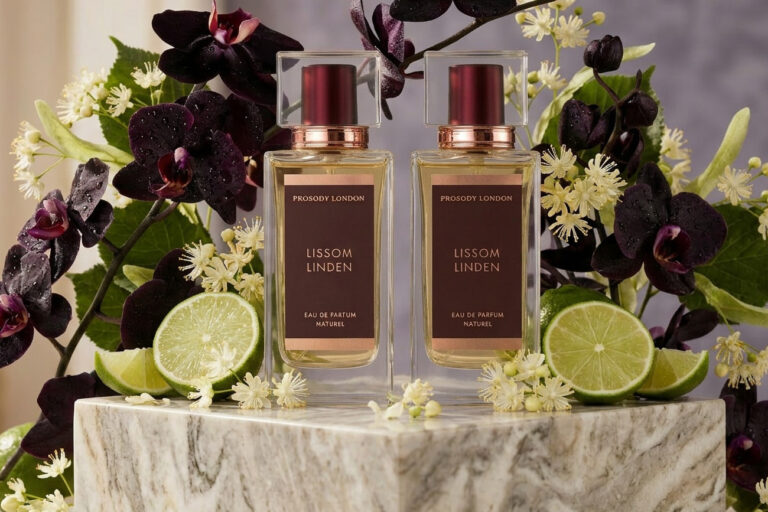
| Lissom Linden | Linden, frankincense | All-day wear |
| Oud Octavo | Resinous oud | Deep, lasting presence |
| Santal Foy | Sandalwood | Full-day quiet confidence |
| Mocha Muscari | Dark gourmand | Long-lasting warmth |
| Jacinth Jonquil | White floral | All-day brightness |
| Neroli Nuance | Citrus floral | Fresh, everyday EDP |
| Brand & Fragrance | What’s Actually Synthetic | 100% Botanical Equivalent |
|---|---|---|
| Sana Jardin — Celestial Patchouli | Synthetic fixatives for longevity | Mocha Muscari |
| Bastille — Pleine Lune | Likely synthetic coumarin in tonka base | Jacinth Jonquil |
| SUN.DAY — Afar | None disclosed — genuinely fully natural | (No comparison needed — same category as Prosody) |
| Ellis Brooklyn — Salt | Synthetic “vegan ambergris,” synthetic musk base | Whistle Moon |
| Hermetica — Jade888 | Separately listed synthetic musk; synthetic emulsifiers | Carissis |
| Perfumer H — Rain Wood | Synthetic aroma chemicals, openly disclosed | Oud Octavo |
The best natural perfume in the UK is not determined by the word “natural” on the label — that term has no legal definition in the UK and any brand can use it. It is determined by what is actually in the bottle.
Finding a genuinely natural perfume in the UK in 2026 is nothing like what most people expect. The market is flooded with fragrances that call themselves “clean,” “green,” or “botanical” while still depending on synthetic shortcuts that no serious natural perfumer would accept. If you’ve ever bought a perfume labelled natural and wondered why it still gave you a headache, this guide is for you.
I’ve spent over a decade formulating exclusively with botanical ingredients. In that time I’ve evaluated hundreds of fragrances marketed as natural — and the vast majority contain synthetic musks, petrochemical derivatives, or both. This guide reflects what I actually look for, and what I’d tell a friend.
The UK natural fragrance market is growing faster than the overall market — driven by people who’ve started reading ingredient labels and don’t like what they find. That’s exactly the audience this guide is for. For the full edit of the best women’s perfumes in 2026 — niche classics to 100% natural alternatives — see our guide to the 24 best women’s perfumes in 2026.
What makes the best natural perfume in the UK buyers should trust in 2026?
The term “natural perfume” has no legally protected definition in the UK. Any brand can use it. This is the first thing every buyer needs to understand.
A genuinely natural perfume is composed entirely from botanical ingredients — essential oils, plant absolutes, resins, tinctures, and waxes derived from flowers, woods, roots, and fruits. No synthetic aromatic molecules. No phthalates. No synthetic musks. No petrochemical derivatives.
The challenge is that natural perfumery is significantly harder to practise than synthetic. Natural ingredients are expensive, variable with season and harvest, and difficult to stabilise. Most conventional fragrance houses use synthetic chemistry because it is cheaper, more predictable, and easier to scale. When a brand makes a genuine commitment to natural composition, it shows in the complexity, the evolution on skin, and the integrity of every ingredient.
Why natural perfume in the UK is growing so fast in 2026
Studies have associated certain synthetic compounds commonly found in mass-market fragrances — including phthalates, synthetic musks such as galaxolide, and parabens — with potential endocrine disruption and allergic reactions with prolonged exposure. Search interest in phthalate-free and toxin-free fragrance has grown substantially in the UK in recent years, reflecting the same shift in consumer priorities now reaching perfume specifically.
At the same time, natural and organic skincare in the UK is growing faster than any other segment of the market — at a 6.82% compound annual growth rate, according to Mordor Intelligence’s UK skincare market analysis. The organic beauty segment is not a niche. It is becoming the expectation.
For fragrance specifically, this means buyers are asking harder questions: What is actually in this bottle? Where do the ingredients come from? Will this affect my health over time? What is the environmental footprint?
Natural perfume answers all of those questions with integrity.
What to look for when buying the best natural perfume in the UK
Botanical sourcing credentials. Look for brands that can tell you where their materials come from — the distillery, the country of origin, the extraction method. This level of provenance indicates genuine commitment.
No synthetic musks. Synthetic musks are among the most widely used and least discussed ingredients in conventional perfume. They are persistent in the environment, and laboratory studies have shown that polycyclic musks including galaxolide and tonalide act as antagonists at oestrogen, androgen, and progesterone receptors, with researchers calling for further investigation into their endocrine-disrupting potential. A natural perfume contains none.
Skin evolution. One of the most distinctive qualities of a well-crafted natural perfume is the way it evolves on your skin. Unlike synthetic fragrances which tend to project a fixed linear scent, botanical compositions shift and deepen across hours, responding to your body chemistry. This is not a limitation — it is the art.
The British natural perfume landscape in 2026
The UK has a quietly exceptional tradition of independent botanical perfumery. Away from the department store mainstream, a small number of British houses have spent years mastering the craft — developing compositions of genuine complexity and longevity without a single synthetic molecule.
Prosody London sits at the heart of that tradition. Founded by perfumer Kershen Teo, the house has earned international critical recognition for work that consistently rivals, and in many cases surpasses, the expressive range of synthetic perfumery. Luca Turin, widely considered the world’s most authoritative perfume critic, has said of Prosody: “Organic perfumes are very difficult to make — these guys are very good at it.” Luca Turin
That recognition matters. It is not marketing. It is a technical evaluation from someone who has reviewed thousands of fragrances across every category, and it speaks to what is possible when a natural perfumer commits fully to the craft.
Natural-leaning perfumes worth knowing in the UK — and what 100% botanical looks like beyond them
The fragrances below are well-made, widely respected, and frequently cited in UK natural perfume guides. I’ve assessed each on ingredient terms — because understanding where natural ends and synthetic begins is exactly the knowledge this guide exists to provide.
Sana Jardin Celestial Patchouli
Notes: Coriander Seed, Orris Absolute, Osmanthus Rose, Patchouli, Cedarwood, Cinnamon Bark, Sandalwood
Sana Jardin is one of the more thoughtful brands in the natural-leaning category — their sustainability model, which channels by-products of floral harvests back to the women who pick them, is genuinely admirable. Celestial Patchouli is their strongest fragrance: the patchouli is handled with restraint, the cinnamon bark adds warmth without sweetness, and the sandalwood base gives it real staying power. Complex and well-resolved.
The ingredient note: Sana Jardin uses natural ingredients alongside some synthetic molecules — their own communications are honest about this. The longevity and consistency come partly from synthetic fixatives. This is a common position for brands that prioritise sustainability without committing fully to botanical formulation. For a patchouli-led composition built entirely from botanical materials — coffee, muscari, leather, sandalwood — Mocha Muscari achieves comparable warmth and depth without synthetic shortcuts.
Bastille Pleine Lune
Notes: Bergamot, Pink Pepper, Mate, Matcha, Tuberose, Orange Blossom, Neroli, Jasmine, Tonka Bean, Benzoin, Cedar, Sandalwood
Bastille is a serious natural and ethical fragrance house and Pleine Lune is their most accomplished composition. The tuberose heart is the structural decision — creamy, slightly narcotic, and anchored by benzoin and cedar into something that wears with genuine longevity. The matcha and mate in the opening give it a green, slightly bitter freshness that makes it contemporary rather than retro. Worth knowing.
The ingredient note: Bastille prioritises natural sourcing but uses some synthetic molecules in their compositions. The tonka bean base likely includes synthetic coumarin, which is standard practice even in natural-leaning perfumery. For a white floral composition built around genuinely natural jasmine absolute and jonquil with no synthetic additions, Jacinth Jonquil operates in a comparable register — spring floral, slightly green, with botanical resin fixation.
SUN.DAY Afar
Notes: Cardamom, Turmeric, Bergamot, Yuzu, Jasmine Tea, Cedar Lebanon, Cedar Himalayan, Cedarwood Atlas, Cypress Bark, Jasmine Absolute, Turkish Rose, Vanilla Absolute, Linden, Frankincense, Neroli, Oakmoss, Vetiver, Sandalwood, Agarwood
SUN.DAY is the closest of these six to a fully botanical house — their communications state purely natural ingredients across their range. Afar is an ambitious extrait de parfum: the cardamom and turmeric opening is genuinely unusual, the jasmine absolute and Turkish rose heart is rich and well-sourced, and the frankincense-vetiver-agarwood base is what a serious natural perfumer reaches for when longevity is the priority. This is worth investigating if you’re specifically looking for a non-Prosody 100% natural option.
The ingredient note: As an extrait concentration, the longevity is genuine and doesn’t require synthetic fixatives — the resinous base architecture does that work botanically. No direct comparable needed — SUN.DAY and Prosody London operate in the same space and represent different expressions of what fully botanical perfumery can achieve.
Ellis Brooklyn Salt
Notes: Ylang Ylang, Violet Leaves Absolute, Tahitian Tiare, Magnolia, Musk, Vegan Ambergris, Sandalwood
The ingredient note: Salt is a genuinely lovely composition, and Ellis Brooklyn deserve real credit for the ylang ylang and violet leaves, which read as authentically natural on skin. Where it’s worth being clear-eyed is the base: “vegan ambergris” is typically industry shorthand for a synthetic ambergris approximation rather than a botanical material, and the separately-listed “musk” note suggests a synthetic musk component too — worth confirming directly with the brand if full ingredient transparency matters to you. For a marine fragrance built entirely from botanical materials — seaweed absolute, neroli, and myrrh resin — Whistle Moon offers a fully botanical take on the same idea.
The ingredient note: Ellis Brooklyn sits in the “clean” rather than “natural” category — the distinction matters when ingredient transparency is your priority. For a marine fragrance that achieves genuine ozonic depth through botanical seaweed absolute, neroli, and myrrh resin with no synthetic musks, Whistle Moon is the closest fully botanical equivalent.
Hermetica Jade888
Notes: Lily of the Valley, Pear, Galbanum, Ginger, Iris Concrete, Clary Sage, Cedarwood, Ambrette Seeds Absolute, Musk
The ingredient note: Jade888 is a genuinely well-constructed composition, and the ambrette seed absolute is an excellent choice — I use it extensively in my own formulations, and it’s clearly doing real work here alongside the iris concrete’s powdery quality. Where it’s worth being clear-eyed is that Hermetica lists “Ambrette Seeds Absolute” and “Musk” as two separate notes — the distinction suggests an additional musk component alongside the ambrette, which is typically synthetic in fragrances using this labelling convention, and the alcohol-free delivery format likely relies on synthetic emulsifiers to function. Worth confirming directly with the brand if full ingredient transparency matters to you. For a skin-close ambrette musk composition that uses ambrette seed as the sole musk material — melon, lavender, styrax, rose, with no synthetic additions — Carissis offers a fully botanical take on the same idea.
Perfumer H Rain Wood
Notes: Galbanum, Elemi, Pepper, Myrrh, Patchouli, Cedarwood, Juniper
Lyn Harris is one of the most respected noses in British perfumery — classically trained in Grasse, founder of Molton Brown’s fragrance programme, and now running Perfumer H as an independent London house. Rain Wood is a serious composition: galbanum and elemi give it a resinous green opening, pepper adds precision, and the myrrh-cedarwood-juniper base is genuinely woody and complex. This is sophisticated British perfumery.
The ingredient note: Perfumer H uses natural materials alongside synthetic ones — Harris has been transparent that synthetic aroma chemicals are part of her palette and that she chooses them for what they contribute compositionally. This is an honest and defensible position. The result is fragrances that have the character of naturals with the consistency of synthetics. For a resinous, woody British composition built entirely from botanical materials — wild-harvested oud, vetiver, green angelica — Oud Octavo operates in a comparable register with full ingredient transparency.
These six represent the best of what natural-leaning UK perfumery offers. All are worth knowing. The distinction that matters — and that this guide exists to make clear — is that natural-leaning and 100% botanical are different things. The fragrances that follow contain nothing synthetic at all.What categories of natural perfume are available?
The range of botanical fragrance available from British natural perfume houses in 2026 is broader than most buyers realise.

→ Shop Lissom Linden
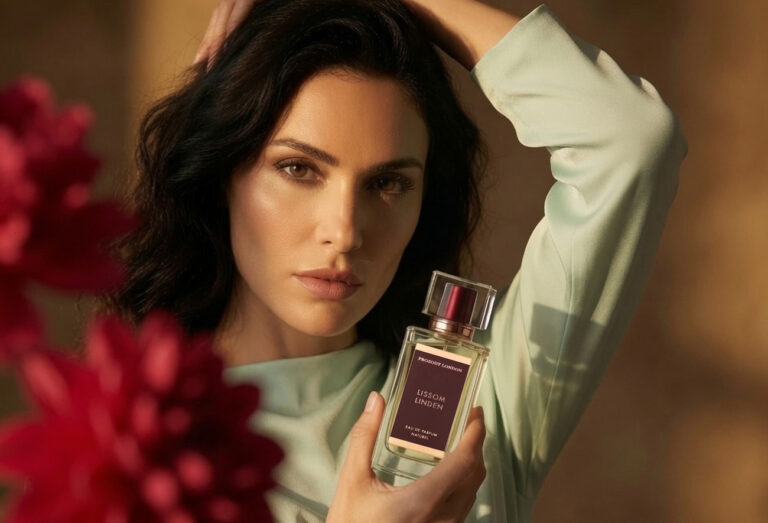
Natural perfume for women — from deep, resinous florals built around rose absolute and jasmine to lighter, citrus-forward compositions for warm-weather wearing. The best natural feminine perfumes do not simply smell “floral” — they build emotional worlds.

→ Shop Rose Rondeaux

→ Shop Santal Foy
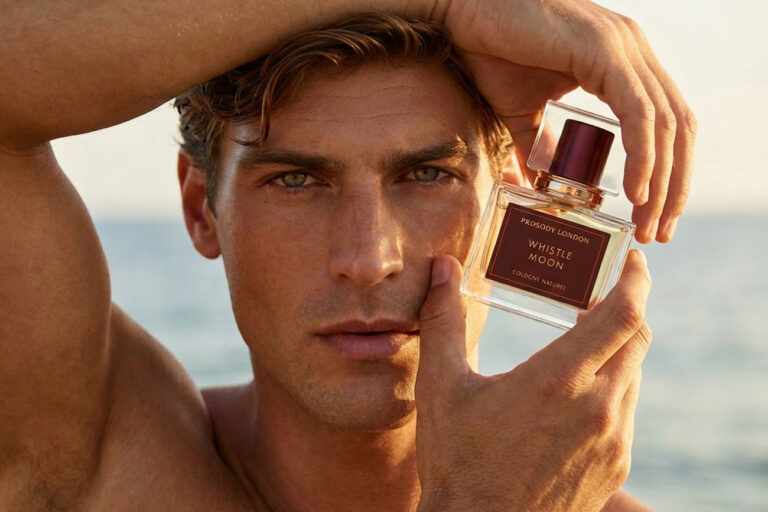
Natural perfume for men — woody, earthy, and aromatic compositions built from vetiver, cedarwood, labdanum, and oud. Natural masculine fragrance tends to have a quieter confidence than its synthetic counterpart — it does not announce itself aggressively, but it lingers.
For a perfumer’s perspective on what makes a great men’s fragrance, read our guide to the best men’s fragrances for masculinity. For a full assessment of what makes mainstream cologne toxic and the six 100% botanical alternatives, see our guide to non-toxic clean cologne for men 2026.

→ Shop Mocha Muscari
Unisex natural perfume — increasingly the most interesting category, where the gendering of scent gives way to pure olfactive exploration. Some of the most complex and memorable botanical compositions exist in this space.

→ Shop Berry Blitz
Natural cologne — lighter concentrations built for layering and daily wear, often citrus-led, and designed to evolve through the day without overpowering.
Natural hair perfume — an emerging category where botanical fragrance meets hair care. Alcohol-free formulas with conditioning actives offer a new way to carry scent without the drying effects of traditional sprays.

→ Shop Lissom Linden Probiotic Hair Parfum
Five things that set the best natural perfume UK apart
Not all natural perfumes are equal. These are the markers of genuine quality.
Longevity without synthetics. The best natural perfumes last 6–12 hours on skin through quality base materials — resins, woods, and botanical musks — not synthetic fixatives.
Complexity across time. The best natural perfumes evolve from bright top notes through floral heart notes into a warm resinous base — a temporal architecture that distinguishes them from linear synthetic fragrances.
Absence of synthetic headache triggers. Many people sensitive to conventional fragrance are reacting specifically to synthetic aldehydes, musks, and fixatives — compounds absent from genuine natural perfume.
Ethical sourcing. The best natural perfume brands can tell you where every material comes from and how it was extracted. This traceability is both an ethical commitment and a mark of quality.
Minimal, purposeful ingredient lists. A synthetic fragrance can contain hundreds of undisclosed compounds. A fine natural perfume is built from a carefully chosen selection of high-quality botanicals — each present for a reason.
How to choose the right natural perfume UK for you
The most important advice is also the simplest: try before you commit. Natural perfumes behave differently on every skin — responding to your body temperature, chemistry, and pH in ways that are genuinely unique to you.
Most serious natural perfume houses offer sample sets for exactly this reason. Trying three or four compositions on skin over several hours is the only reliable way to discover what genuinely works for you.
Beyond that, consider what you want a fragrance to do. If you want something that announces itself across a room, a heavy, resinous natural composition — oud, labdanum, benzoin — will serve you well. If you want something intimate and personal, a skin-close botanical musk or sandalwood will be more appropriate.
Consider also the season and occasion. Natural perfumes often perform differently in heat versus cold. Light, citrus-forward naturals come alive in warmth. Deep, woody naturals are at their best in autumn and winter.
Explore the full natural perfume for women collection and natural cologne for men — every fragrance composed from 100% botanical ingredients.
The best natural perfume UK — our recommendation
If you are new to natural perfumery, the best starting point is a sample set from a house you can trust — one with a track record of critical recognition, a commitment to full ingredient transparency, and a range broad enough to help you find your direction.
Prosody London offers exactly that. With collections spanning feminine, masculine, unisex, and cologne formats — all composed from 100% botanical ingredients with no synthetic exceptions — it represents the most complete expression of British natural perfumery available today.
Critically endorsed, independently crafted, and built on a single principle: that truly great fragrance requires nothing that nature does not already provide.
Explore the full Prosody London natural perfume collection →
Build your own 6 x 2ml discovery set →

FAQ about natural perfume UK
Is natural perfume better than synthetic?
Natural perfume is composed entirely from botanical ingredients — essential oils, plant absolutes, and resins — with no synthetic aromatic molecules. For people sensitive to synthetic compounds, or those concerned about endocrine-disrupting chemicals, natural perfume offers a purer and often more complex olfactive experience. Whether it is “better” depends on your priorities, but for ingredient integrity and skin compatibility, natural perfume is the clear choice.
How long does natural perfume last?
A common misconception is that natural perfumes fade quickly. A well-crafted natural perfume built on quality base materials — resins, woods, and botanical musks — lasts significantly longer than most buyers expect. Natural perfumes do not have the aggressive sillage of synthetic fragrances — they project closer to the skin and evolve more intimately — which is precisely why they are better suited to professional and social environments where overpowering a room is never the goal. For guidance on fragrance in the workplace, see our guide to wearing perfume at the office. Longevity depends on the quality of ingredients, the concentration of the formula, and your individual skin chemistry.
What is the difference between natural perfume and organic perfume?
Natural perfume uses ingredients derived from plants and botanicals with no synthetic molecules. Organic perfume takes this further — the botanical ingredients must also be grown without pesticides or synthetic fertilisers, often certified to COSMOS or equivalent organic standards. The best natural perfume UK houses offer both natural and certified organic compositions.
Are natural perfumes safe for sensitive skin?
Natural perfumes are generally much better tolerated by sensitive skin than conventional fragrances, which can contain hundreds of undisclosed synthetic compounds. However, some natural ingredients — certain citrus oils and florals — can cause photosensitivity or reactions in rare cases. Always patch test a new fragrance and choose houses with full ingredient transparency.
Where can I try natural perfume before buying in the UK?
The most reliable way is to order a sample set directly from the brand. Prosody London offers a full sample collection allowing you to test each fragrance on your own skin before committing to a full bottle — which is the only way to truly know how a natural perfume will perform for you personally.