Best Men’s Cologne 2026: 8 Picks Ranked by a Perfumer
By Kershen Teo, Founder & Perfumer, Prosody London — Updated October 2026
At a glance: Best men’s cologne 2026
The best men’s cologne is not simply the fragrance with the loudest projection or the biggest advertising campaign — it’s the scent that matches your personality, your lifestyle, and the impression you want to leave. As a perfumer, I look at men’s fragrance differently from most reviewers, considering the raw materials, the construction, the evolution on skin, and whether a fragrance creates a genuine connection with the person wearing it. My 2026 selection includes iconic designer benchmarks alongside original botanical suggestions from Prosody London — fragrances created for men who want complexity, individuality, and a different approach to modern cologne.
| Category | Cologne | Best For | Longevity |
|---|---|---|---|
| Best Classic Italian Citrus | Acqua di Parma Colonia | Bright, herbaceous freshness | Moderate |
| Best Natural Citrus Alternative | Prosody London A Capella Ray | Solar-charged citrus with botanical depth | Moderate |
| Best Modern Fresh-Spicy | YSL Y Eau de Parfum | Versatile day-to-night wear | Long |
| Best Natural Fruity-Spicy Alternative | Prosody London Berry Blitz | Vivid botanical fruit and floral energy | Long |
| Best Aquatic Men’s Cologne | Armani Acqua di Giò EDT | Freshness, summer, effortless versatility | Moderate |
| Best Natural Marine Alternative | Prosody London Ocean Commotion | Coastal freshness without synthetic ozone notes | Moderate |
| Best Mineral-Fresh Cologne | Jo Malone Wood Sage & Sea Salt | Clean, restrained coastal freshness | Moderate |
| Best Natural Marine-Resinous Alternative | Prosody London Whistle Moon | Seaweed depth with resinous warmth | Long |
| Best Professional Vetiver Cologne | Tom Ford Grey Vetiver EDT | Clean, polished business wear | Long |
| Best Natural Vetiver Alternative | Prosody London Lantern Reed | Quiet confidence and daily wear | Long |
| Best Sweet Fougère | Jean Paul Gaultier Le Male | Warm, charismatic spice | Long |
| Best Natural Resinous Alternative | Prosody London Oud Octavo | Complex, evening-wear depth | Exceptional |
| Best Crowd-Pleasing Warm Woody | Azzaro The Most Wanted | Broad appeal, warm vanilla-woody | Long |
| Best Natural Woody-Amber Alternative | Prosody London Mocha Muscari | Woody-vanilla warmth, botanical | Exceptional |
| Best Niche Green-Fig Cologne | Diptyque Philosykos | Distinctive green-fig signature | Long |
| Best Natural Fig Alternative | Prosody London Pizzicato Bliss | Botanical galbanum and fig | Moderate |
What Makes the Best Men’s Cologne?
Choosing the best men’s cologne is not only about finding a pleasant smell.
The fragrances that become signature scents usually succeed in four areas:
- They make the wearer feel confident.
- They develop beautifully over time.
- They suit the occasion.
- They create memory.
After more than a decade formulating botanical fragrances, I have learned that masculinity in fragrance does not come from one ingredient or one style. It can be found in fresh citrus, smoky woods, mineral notes, aromatic herbs, and rich resins.
The best men’s cologne is the one that feels authentic to the man wearing it.
Confidence: The invisible effect of fragrance
A fragrance is one of the closest things we have to an invisible extension of personality.
The connection between smell and memory is unusually powerful because the sense of smell is closely connected with the areas of the brain involved in emotion and recall.
That is why a particular fragrance can instantly transport you to a person, place, or moment.
A great cologne does not change who you are.
It reinforces how you want to feel.
For a deeper exploration of how fragrance communicates identity and masculine character, read our guide to [the best men’s fragrances for masculinity 2026].
Composition: Why the best colognes evolve
A high-quality men’s cologne tells a story across the day.
The opening creates the first impression:
- bergamot
- lemon
- grapefruit
- spices
- aromatic herbs
The heart reveals the personality:
- vetiver
- lavender
- floral materials
- woods
- marine notes
The base creates lasting memory:
- sandalwood
- oud
- patchouli
- resins
- amber accords
The difference between a fragrance that simply smells good and one that becomes memorable is often what happens after the first hour.
The opening may attract attention.
The dry-down is what people remember.
Projection: Presence without overwhelming
One of the biggest misconceptions about men’s cologne is that stronger projection means better quality.
It does not.
The most successful fragrances create a personal atmosphere — noticed when someone comes close, not announced from across a room.
A well-made cologne should invite curiosity.
It should become part of your presence rather than replace it.
Longevity: Performance with purpose
Longevity is important, but the way a fragrance lasts matters just as much as the number of hours.
Modern designer fragrances often achieve impressive longevity through carefully engineered aroma molecules designed for stability and projection.
Natural perfumery takes a different approach.
Materials such as:
- vetiver
- sandalwood
- oud
- myrrh
- frankincense
- labdanum
bring natural depth and persistence.
The result is often a fragrance that changes and develops rather than remaining identical from the first spray until the end.
For a deeper look at longevity in botanical fragrance, read our guide to [long lasting natural perfume].
How I Selected The Best Men’s Cologne 2026
Most fragrance lists are written by people who test a fragrance.
I make them.
That distinction matters.
When I formulate a cologne, I am working with the raw materials themselves — understanding how they behave individually and how they interact together.
My selection process considers:
Material quality
Are the ingredients chosen for genuine character, or only for immediate impact?
Construction
Does the fragrance have a clear creative idea?
Evolution
Does it become more interesting after hours on skin?
Wearability
Would a man actually want to reach for it repeatedly?
The fragrances below represent different expressions of masculine style — from fresh and energetic to dark, woody, and sophisticated.
Alongside each designer benchmark, I include a Prosody London botanical alternative for men who prefer fragrance built entirely around natural aromatic materials.
The best cologne for men in 2026
1. Acqua di Parma Colonia — the classic Italian citrus
Acqua di Parma Colonia (Eau de Cologne) has remained a benchmark of understated Italian elegance since 1916. Sicilian citrus, lavender, and rosemary create a bright, herbaceous freshness that’s aged into a genuine classic rather than a trend — restrained where modern colognes often reach for maximum projection.
Fragrantica community rating: ~4.4 / 5
Longevity: Moderate
Base notes: Rosemary, vetiver
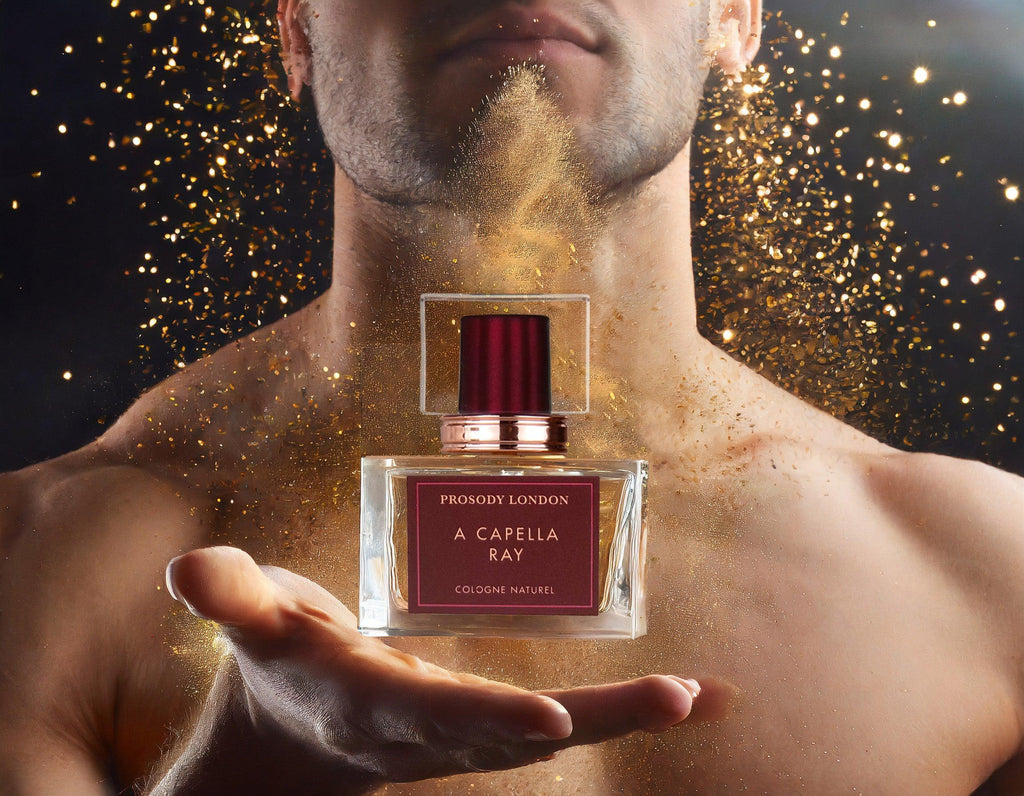
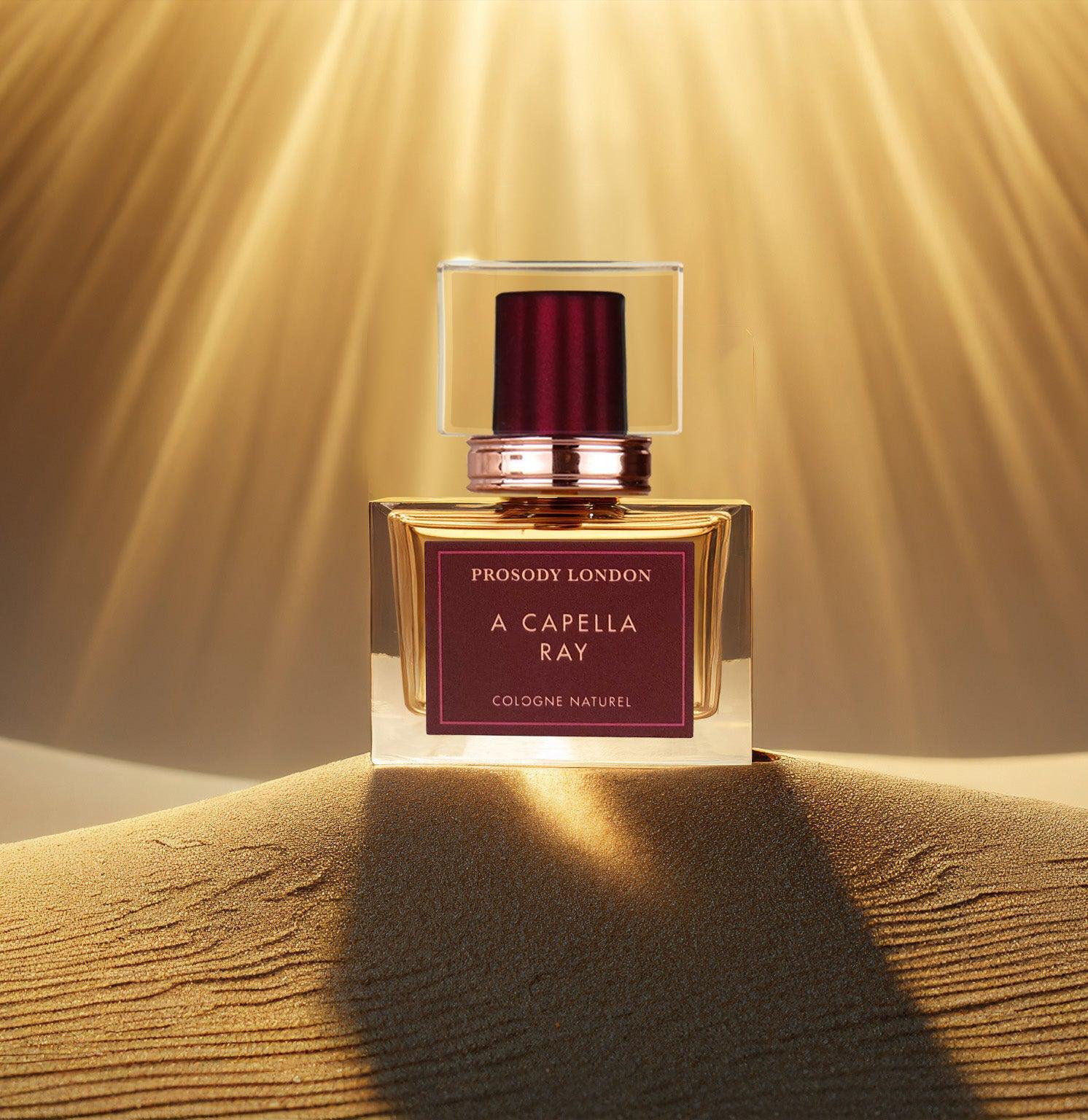
Looking for a natural fragrance with the same bright, herbaceous citrus character? A Capella Ray builds lemon and black pepper over lemongrass, jasmine and clary sage — the same solar-charged citrus confidence, reached through genuine botanical materials with no synthetic fixatives.
2. Azzaro The Most Wanted — the crowd-pleasing warm woody
Azzaro The Most Wanted has become one of the most consistently cited “best overall” picks in 2026 roundups, and it earns that reputation through sheer wearability. Woody notes, bourbon vanilla, and a sharp ginger kick create a warm, seductive composition that scores high on broad appeal without reading as generic. Its success comes down to a well-balanced synthetic woody amber base — engineered specifically for wide, immediate likability, genuinely well-made but consistent in a way that reads as pleasant rather than personal.
Fragrantica community rating: ~4.3 / 5
Longevity: Long
Base notes: Vanilla, woody amber
Looking for a natural fragrance with the same warm, woody-amber character? Mocha Muscari builds coffee and jasmine into a base of agarwood, sandalwood, labdanum, and vanilla — labdanum’s naturally amber-like warmth doing the same work as Azzaro’s synthetic amber base, while the agarwood and sandalwood bring a rich, genuinely woody depth. Where Azzaro’s warmth is stable and predictable, Mocha Muscari’s evolves: the coffee, coconut and lavender opening is fresher than anything in Azzaro’s structure, and the labdanum-agarwood base develops more distinctly across hours than a synthetic amber accord can.
3. YSL Y Eau de Parfum — the modern fresh-spicy
Yves Saint Laurent Y has become one of the most frequently cited fresh fragrances in 2026 roundups, and its appeal lies in a genuinely modern take on fresh-spicy. Apple and bergamot open into ginger and sage, settling into an amber wood base — versatile enough for day-to-night transitions without reading as heavy.
Fragrantica community rating: ~4.2 / 5
Longevity: Long
Base notes: Amber wood, sage
Looking for a natural fragrance with the same vivid, fresh-fruity energy? Berry Blitz builds blueberry and blood orange into a fruity wine heart over an oakmoss base — a similarly bright, energetic composition, reached through genuine botanical fruit and floral materials rather than a synthetic fruity-spicy accord.

4. Armani Acqua di Giò — the perennial aquatic classic
Armani Acqua di Giò (Eau de Toilette) invented the aquatic cologne category when it launched in 1996 and still defines it. Marine freshness with clean citrus — approachable, versatile, and consistently cited as effortlessly charming. The base patchouli and cedar stop it from being merely watery.
Fragrantica community rating: ~4.3 / 5
Longevity: Moderate
Base notes: Patchouli, cedar
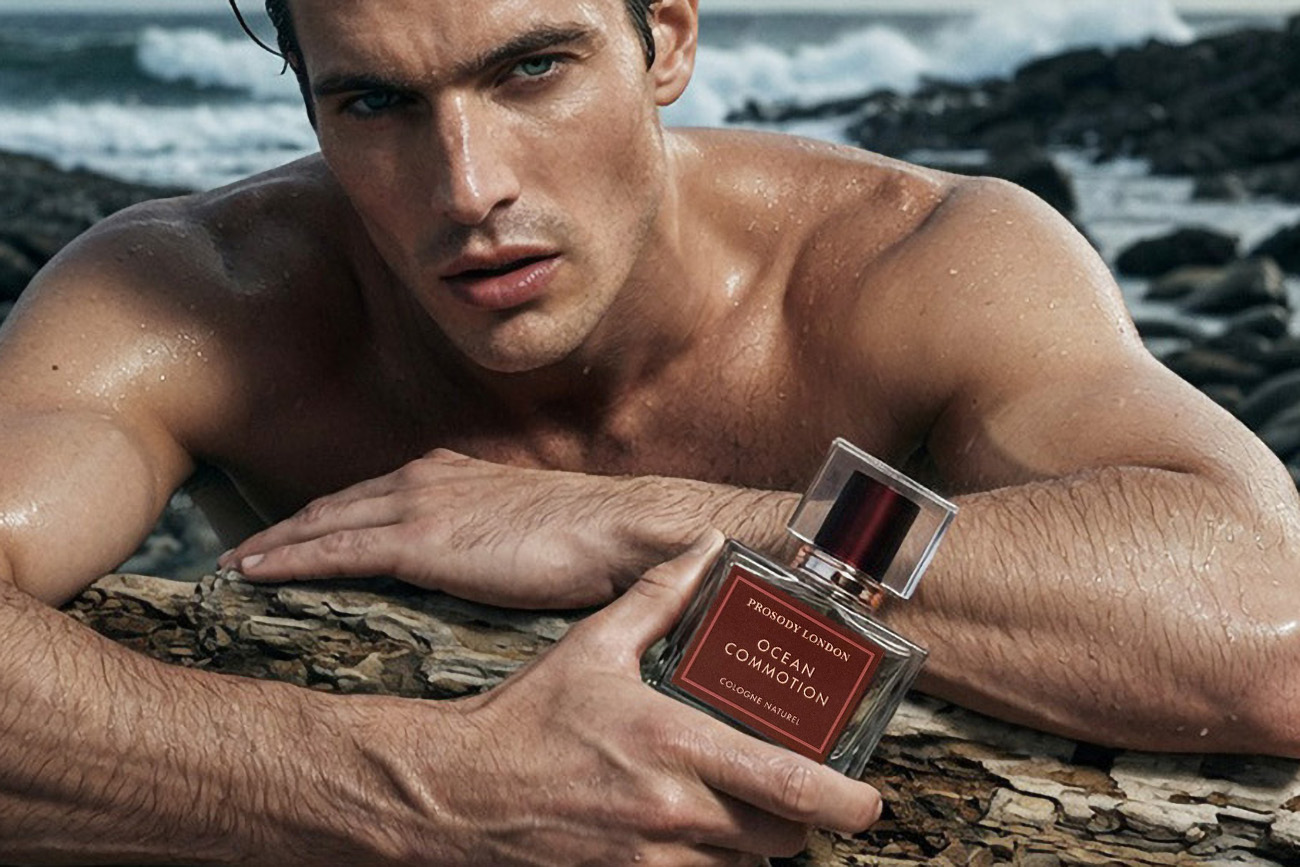
Looking for a natural fragrance with the same fresh, marine character? Ocean Commotion — Freedom in a Bottle. Built from real marine botanicals — seaweed, clary sage and oakmoss — rather than synthetic ozonic molecules, Ocean Commotion captures what the sea actually smells like: saline spray, damp coastal grass, and mineral depth. Where most aquatic fragrances rely on laboratory-approximated freshness, this composition works from genuine botanical materials that carry the coast’s actual character rather than an idea of it.

5. Jo Malone Wood Sage & Sea Salt — the mineral-marine classic
Jo Malone Wood Sage & Sea Salt (Cologne) has become one of the defining fresh fragrances of the past decade, and its appeal lies in restraint rather than complexity. Sea salt, ambrette, and grapefruit create a clean, mineral freshness with a quiet earthiness from wood sage underneath — approachable, versatile, and genuinely unisex in how widely it’s worn.
Fragrantica community rating: ~4.1 / 5
Longevity: Moderate
Base notes: Ambrette, sea salt accord
Looking for a natural fragrance with the same cool, mineral-marine character? Whistle Moon carries oakmoss and a fresh bark accord in its base, lending a cool, mossy depth beneath neroli, melon, and mandarin up top, with cinnamon, olibanum, and myrrh adding a warmth and resinous smokiness that Jo Malone’s clean restraint doesn’t attempt.
6. Tom Ford Grey Vetiver — the clean professional vetiver
Tom Ford Grey Vetiver (Eau de Toilette) is vetiver with citrus brightness — clean, professional, and consistently cited as one of the best cologne for men for business and refined everyday wear. Tom Ford’s sourcing is excellent, and the vetiver here is genuinely high quality. Rather than surrounding vetiver with many competing notes, the composition allows the material to remain the centre of attention, and the result is clean, crisp, and professional — powerful through restraint rather than complexity.
Fragrantica community rating: ~4.3 / 5
Longevity: Long
Base notes: Vetiver, amber
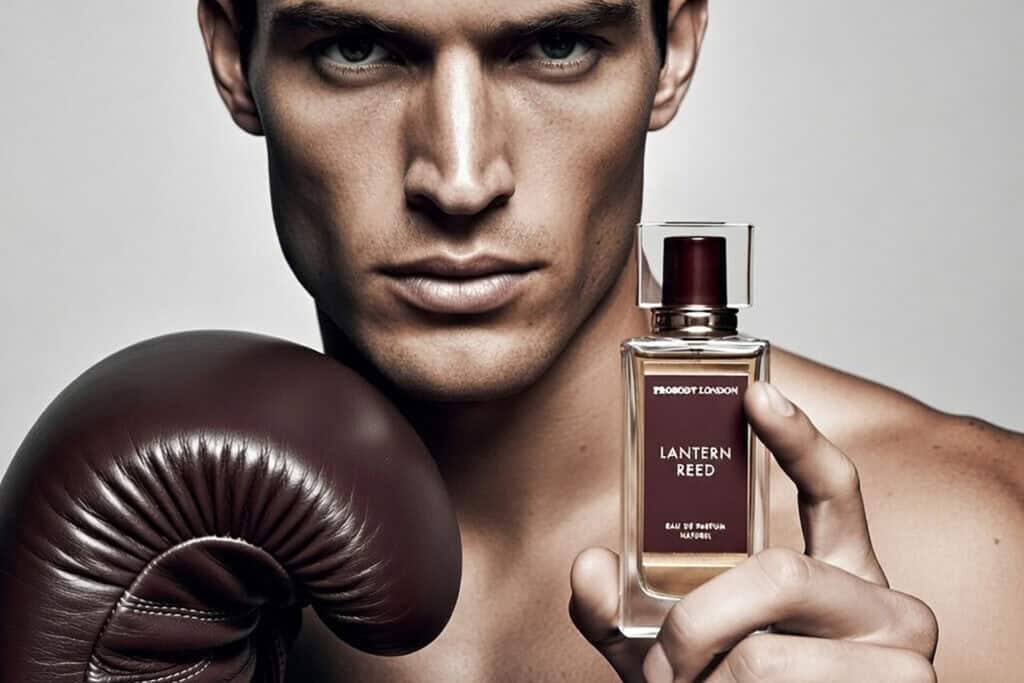
Looking for a natural vetiver-led fragrance with the same clean, professional polish? Lantern Reed builds grapefruit, bergamot and myrtle over a heart of rose, orris and clary sage, resting on a base of genuine vetiver, myrrh, vanilla and agarwood. Vetiver’s dense root structure makes it one of the slowest-evaporating materials in natural perfumery, anchoring a composition that moves from citrus clarity into something warmer and more composed — earthy and grounded, but smoothed by orris into a quieter, more polished sophistication than the raw vetiver alone would produce. Read more about vetiver in natural perfumery.
Lantern Reed— vetiver, myrrh, and grapefruit. The natural answer to Grey Vetiver’s clean, professional depth.
7. Jean Paul Gaultier Le Male — the iconic sweet fougère
Jean Paul Gaultier Le Male is mint, vanilla, and spice in a distinctive composition that has been a men’s fragrance touchstone since 1995. Sweet masculinity before sweet masculinity was mainstream — the tonka bean and sandalwood base gives it a warmth that still reads as charismatic and memorable, its sweetness coming from coumarin and tonka bean over a synthetic musk base, a well-understood construction that delivers consistent warmth.
Fragrantica community rating: ~4.4 / 5
Longevity: Long
Base notes: Vanilla, sandalwood
Looking for a original botanical suggestion with the same warm, complex spice character? Oud Octavo opens with bergamot, ginger and cognac, then cinnamon and labdanum warm a heart of Vietnamese black agarwood, over a base of sandalwood, cedarwood and vanilla — a deeper, more complex version of that warm, resinous masculinity. Where Le Male’s warmth is consistent and projecting, Oud Octavo’s evolves: the bright bergamot opening gives way to spice, resin and oud as skin temperature rises, creating a dry-down that is genuinely different late in the day from the first hour.
Oud Octavo — the natural answer to Le Male’s warm, resinous sweetness.

8. Diptyque Philosykos — the niche green-fig reference
Diptyque Philosykos (Eau de Toilette) is widely regarded as the definitive fig fragrance in modern perfumery — green galbanum and fig leaf opening into a milky, woody coconut facet that captures the whole fig tree, not just the fruit.
Fragrantica community rating: ~4.3 / 5
Longevity: Long
Base notes: Fig wood, coconut
Looking for a natural fragrance with the same green, fig-like character? Pizzicato Bliss builds Iranian galbanum and fig over Sicilian lemon, quince, and benzoin — the same green-fig register Philosykos is known for, reached through genuine botanical galbanum and fig rather than a synthetic fig accord.
Pizzicato Bliss — Iranian galbanum, fig, Sicilian lemon, benzoin. A botanical route to Philosykos’ green-fig signature.

The health conversation men are starting to have
The designer colognes above represent the best of conventional synthetic perfumery — designed for consistency, projection, and shelf stability. Much of that performance comes from synthetic musks, which have been detected in human blood, breast milk and adipose tissue, and phthalates, which a 2021 review of epidemiological studies linked to lower semen quality. Not every ingredient raises the same concern — the FDA states it has no evidence that parabens as used in cosmetics affect health. If what’s inside your cologne matters to you, I cover the evidence in detail in our guide to non-toxic clean cologne for men.
Natural ingredients behind these colognes
Natural cologne for men relies on essential oils, resins, woods, and botanicals to create depth, warmth, and masculine presence. These are the material families I work with daily, and understanding what each one contributes is what separates a well-constructed natural composition from one that simply smells pleasant.
Woody notes — cedarwood (warm, grounding), sandalwood (creamy, intimate), vetiver (earthy, smoky), patchouli (deep, magnetic), guaiac wood (rich, long-lasting). These are the backbone of masculine natural composition. Vetiver and patchouli in particular have a fixative quality that gives botanical colognes genuine longevity without synthetic alternatives.

Spicy notes — black pepper (sharp, confident), cardamom (aromatic warmth), ginger (fresh, assertive). These add edge and energy that prevents natural compositions from reading as merely gentle. Black pepper at the right concentration creates exactly the kind of projection that synthetic ambroxan achieves — without the bluntness.
Resins and balsams — frankincense (grounding, meditative), myrrh (warm, sensual), labdanum (leathery, long-lasting). These are the natural fixatives that give botanical colognes genuine longevity. Of all the material families in natural perfumery, resins are the most underappreciated — they are what allow a 100% botanical fragrance to last well into the day on skin. Read our guide to frankincense and the science of its psychological effects.
Citrus notes — bergamot (fresh, uplifting), grapefruit (bright, confident), lemon (sharp, energetic). The natural versions of these materials have a complexity and vitality that synthetic citrus reconstructions rarely match. Cold-pressed bergamot in particular has a faceted quality — simultaneously fruity, floral, and resinous — that no synthetic reconstruction fully captures.
For more on how these materials are used in natural perfumery, see our definitive guide to botanical fragrance.

Prosody London: the natural cologne alternative
For men whose fragrance journey has led to a deeper interest in what goes on their skin, Prosody London represents 100% botanical perfumery — no synthetic musks, no phthalates, no petrochemical solvents. Every fragrance is formulated in accordance with COSMOS Organic principles.
Luca Turin, widely considered the world’s most authoritative fragrance critic, has written: “Organic perfumes are very difficult to make — these guys are very good at it.”
For the complete range of 100% botanical options, explore the full natural cologne for men collection.

The eight Prosody fragrances recommended above as natural alternatives — A Capella Ray, Berry Blitz, Ocean Commotion, Whistle Moon, Lantern Reed, Oud Octavo, Mocha Muscari, and Pizzicato Bliss — cover the full range of masculine scent profiles from bright citrus to warm resinous.
Try before committing. Our Build Your Own 6 x 2ml Discovery Set lets you choose any six from the collection before investing in a full bottle.
How to apply cologne for maximum effect
Less is more. One to two sprays is almost always sufficient. The best cologne for men creates a personal aura noticed at close range, not a projection that precedes you into a room.
Pulse points. Inner wrists, neck, and chest — areas where body heat diffuses the fragrance throughout the day.
Moisturised skin. Fragrance adheres significantly better to hydrated skin. Apply just after a shower while skin is still slightly warm and moisturised.
Don’t rub. Rubbing the wrists together after applying breaks down top notes and accelerates the drydown. Simply apply and allow to settle.
Store correctly. Keep cologne away from direct sunlight and heat. Natural perfumes in particular are more sensitive to temperature than synthetic ones — a cool, dark environment preserves the integrity of botanical ingredients. See our guide to perfume longevity for more.
FAQ on best men’s cologne 2026
What is the best cologne for men to boost confidence?
The best cologne for men is one that makes you feel self-assured and memorable while matching your personal style. Acqua di Parma Colonia, Tom Ford Grey Vetiver, and Azzaro The Most Wanted are widely considered benchmarks for confident, versatile wear. For a 100% natural option, A Capella Ray or Ocean Commotion achieve the same effect without synthetic fixatives. Read our guide to the masculine fragrances.
Are natural colognes better than designer colognes?
Not inherently better — but they offer a different set of trade-offs. Natural colognes use plant-based essential oils, resins, and organic alcohol, avoiding the synthetic musks and phthalates associated with long-term health questions. They tend to project less aggressively but evolve more interestingly on skin. The best cologne for men is ultimately the one that aligns with both your style and your values. See our full natural perfume vs synthetic perfume comparison.
How long does a cologne last?
It depends on concentration and on the base materials. An eau de parfum outlasts an eau de toilette, and natural perfumes built on resinous bases — oud, myrrh, labdanum, sandalwood — wear well into the day with proper application. Read our guide to long lasting natural perfume.
What are endocrine-disrupting chemicals in cologne?
EDCs are chemicals that may interfere with hormone regulation. Some synthetic musks, phthalates, and preservatives used in conventional perfumes have been studied for weak hormonal effects at cumulative exposure levels. Choosing natural perfumes made from plant-based ingredients reduces exposure to these compounds. Read our full guide to endocrine disruptors in perfume.
Can natural cologne be long-lasting and noticeable?
Yes — natural colognes formulated with resins, woods, and quality essential oils create genuine depth and longevity. They evolve naturally on skin, offering a subtle yet memorable presence. The key is quality of materials, not volume of synthetic fixatives.
Curious why woods, resins and spice read as masculine in the first place? See what makes a fragrance masculine — the science and a perfumer’s picks.
Explore further
- Best long lasting cologne for men 2026
- Natural cologne for men — full collection
- 7 best natural men’s colognes 2026
- What makes a fragrance masculine? The science & a perfumer’s picks
- 10 best niche perfumes for men 2026
- Quiet luxury perfume brands 2026
- Is long lasting natural perfume possible?
- Build Your Own 6 x 2ml Discovery Set