

Best Woody Vanilla Perfumes: Why Sandalwood, Oud and Vetiver Are So Seductive
By Kershen Teo, Founder & Perfumer, Prosody London
The molecular science behind woody vanilla, its inviting warmth, and why these fragrances are particularly beautiful in winter.
Vanilla is one of perfumery’s most familiar aromas. Yet place it alongside sandalwood, patchouli, vetiver or oud, and something extraordinary can happen. The vanilla becomes less obviously sweet. The woods lose some of their austerity. In their place emerges a third impression: something soft, dark, intimate and unexpectedly seductive.
It is a little like fine chocolate. Sweetness draws you in, but roasted, bitter and creamy nuances make the experience interesting enough to savour. A beautifully composed woody vanilla perfume can invite that same desire to smell it again.
Best Woody Vanilla Perfumes — At a Glance
| Perfume | House | Woody vanilla style | Best for |
|---|---|---|---|
| Eau Duelle | Diptyque | Spiced, aromatic woody vanilla | A drier, less dessert-like vanilla |
| Spiritueuse Double Vanille | Guerlain | Rich, balsamic vanilla | Opulent winter evenings |
| Tobacco Vanille | Tom Ford | Tobacco, spice and vanilla | A bold, dramatic statement |
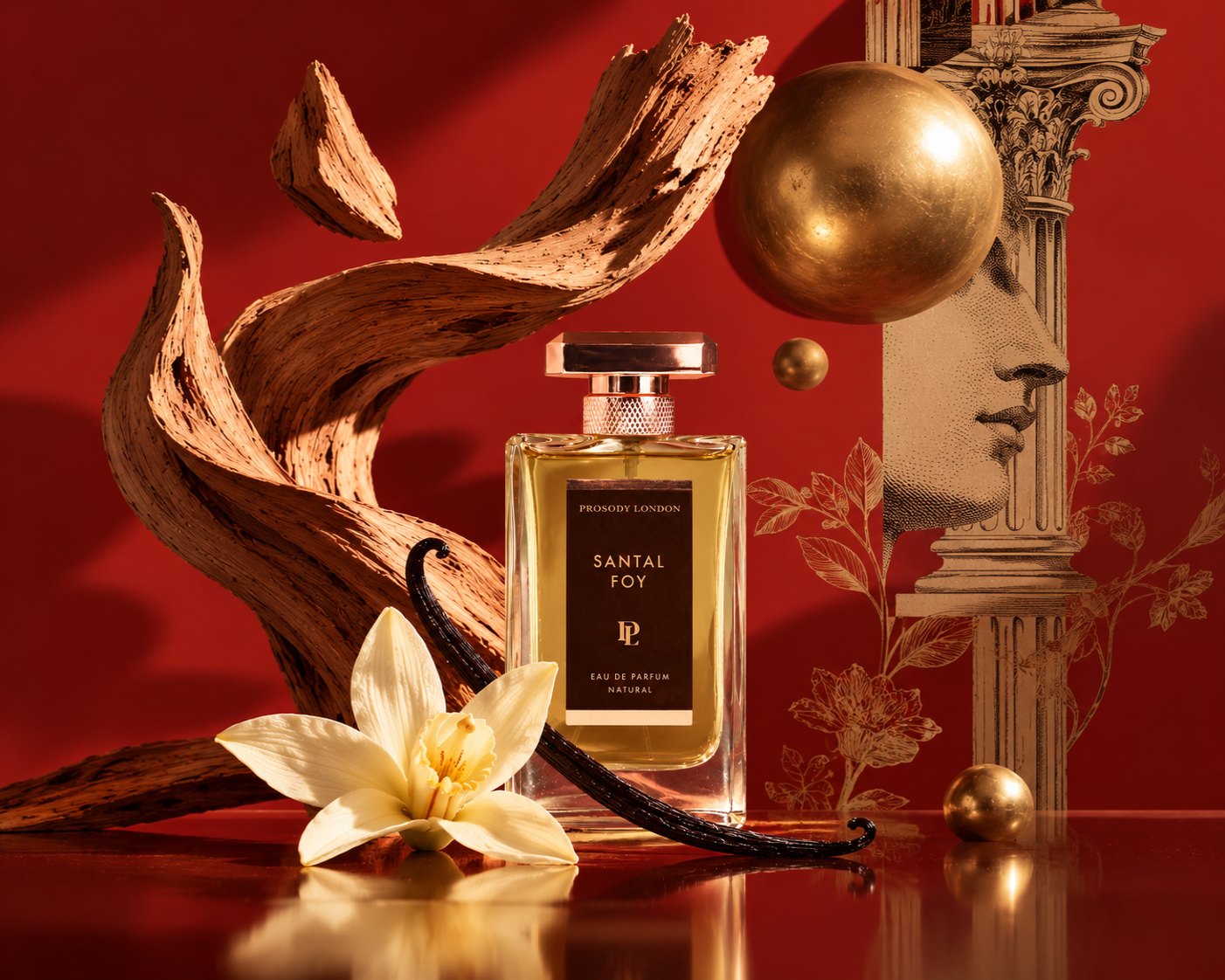
| Santal Foy | Prosody London | Sandalwood, vanilla, tonka and orange blossom | Soft, skin-close warmth |
| Oud Octavo | Prosody London | Agarwood, cedarwood, cinnamon and vanilla | Dark, resinous evenings |
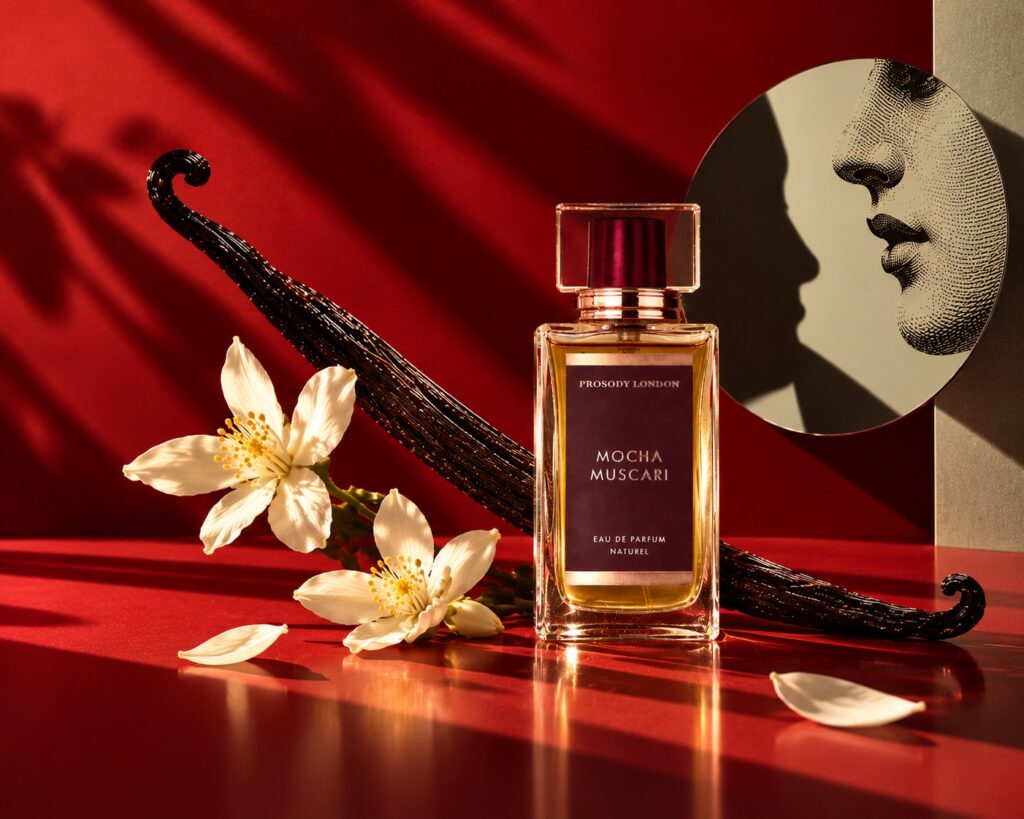
| Mocha Muscari | Prosody London | Coffee, vanilla, patchouli and agarwood | Roasted, gourmand depth |
| Lantern Reed | Prosody London | Grapefruit, vetiver, myrrh and vanilla | A fresher, everyday woody vanilla |
The three classic woody vanilla perfumes are reviewed first, followed by four 100% botanical woody vanillas from Prosody London if you’d like to try natural perfume.
What Is a Woody Vanilla Perfume?
A woody vanilla perfume combines vanilla‘s creamy, balsamic character with sandalwood, patchouli, vetiver, cedarwood or oud. Sandalwood creates softness; patchouli contributes earthy darkness; vetiver adds dryness; oud brings resinous depth. The best compositions allow each material to transform the impression of the others.
Why Vanilla and Woods Work: The Molecular Science
Vanilla owes much of its characteristic aroma to vanillin, an aromatic aldehyde with sweet, creamy, balsamic qualities. Woody essential oils contain complex mixtures of volatile molecules, including sesquiterpenes and oxygenated sesquiterpenes, that produce contrasting creamy, earthy, smoky and dry impressions.
Sandalwood Vanilla Perfume: The Chemistry of Creaminess
Natural sandalwood oil contains alpha-santalol and beta-santalol, important contributors to its creamy woody aroma. Alongside vanillin, sandalwood can create an impression of warm skin, fine cashmere or soft cream without becoming overtly sugary. It is a sensory complement, not necessarily a chemical reaction. For more on the material, see our guide to sandalwood perfume.

Patchouli and Vanilla: The Dark Chocolate Effect
Patchouli oil contains patchoulol (patchouli alcohol), alongside many other aromatic constituents. Its earthy, woody, sometimes camphoraceous character provides a darker counterpoint to vanilla. In a balanced composition the combination may suggest dark chocolate, polished wood and warm earth: compelling because sweetness meets bitterness and depth.
Vetiver and Vanilla: The Beauty of Bitterness
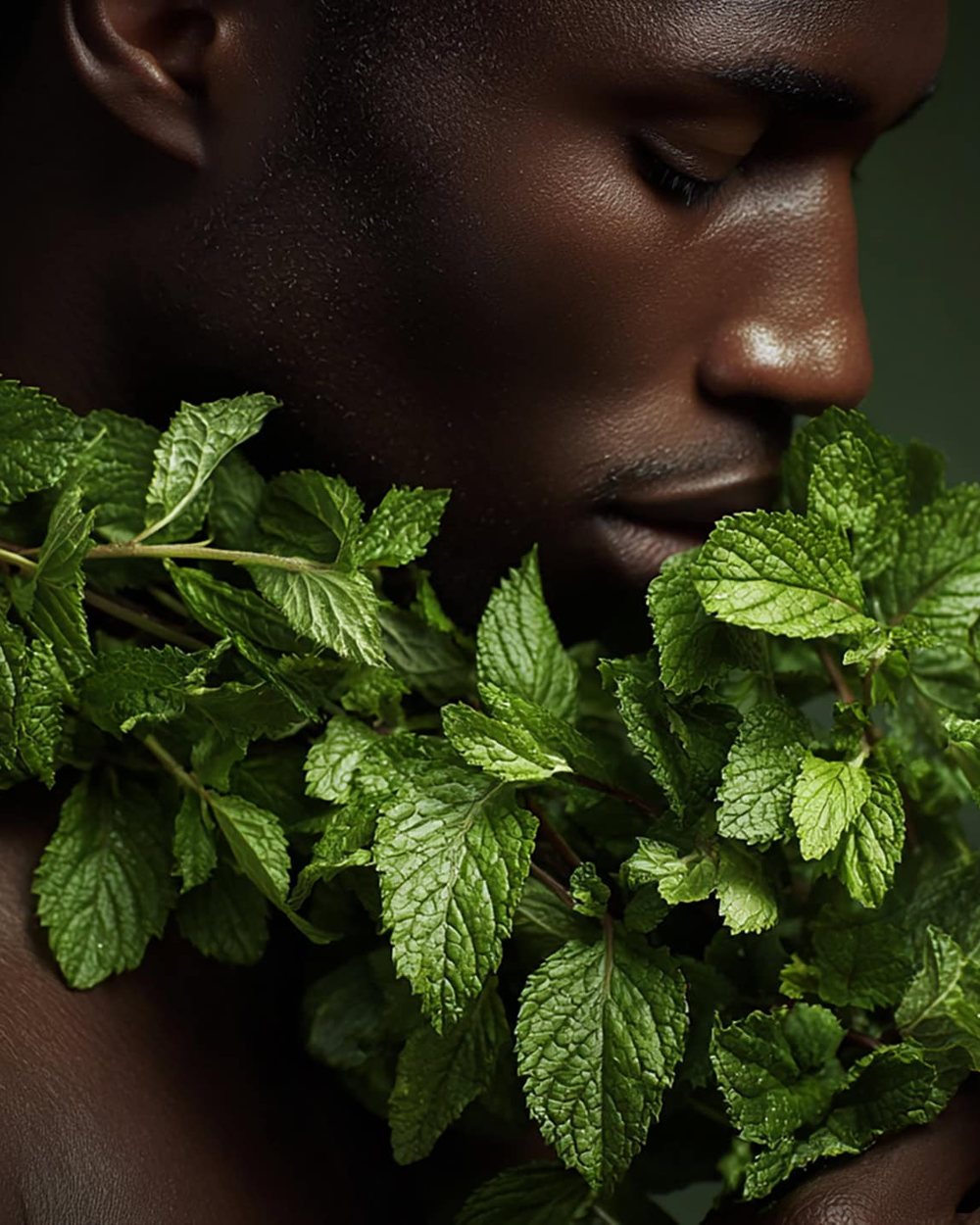
Vetiver root oil is chemically complex, with constituents including alpha-vetivone, beta-vetivone and khusimol. Its dry, earthy, grassy and sometimes smoky nuances contrast with vanilla’s roundness. Vanilla can soften vetiver’s austerity; vetiver can prevent vanilla from becoming cloying. The result can feel fresh and warm simultaneously.
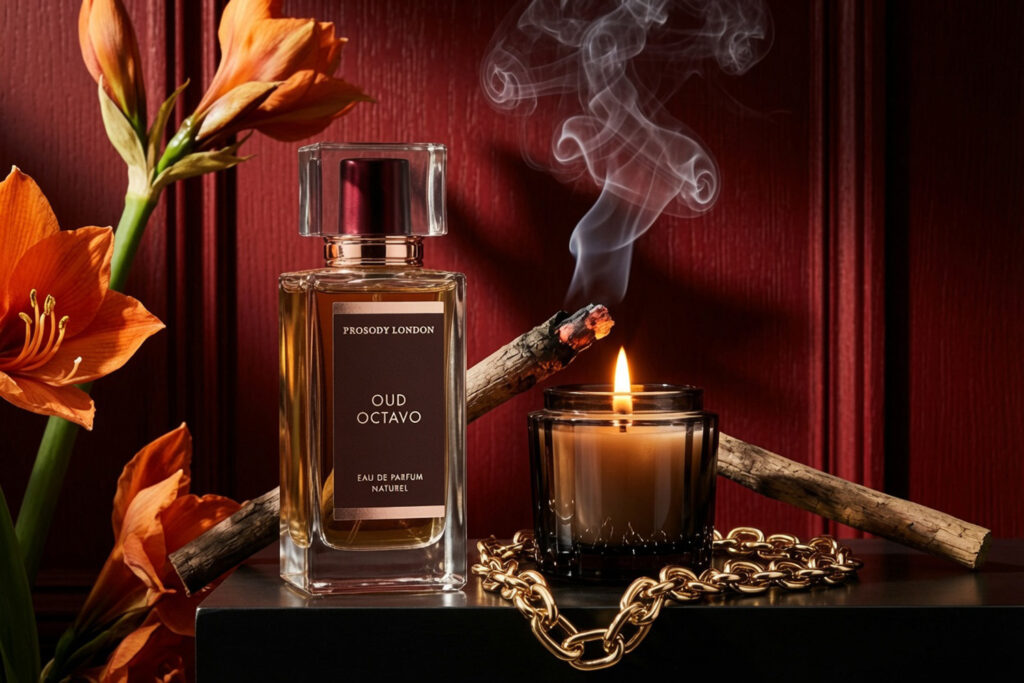
Oud Vanilla Perfume: Softness Meets Darkness
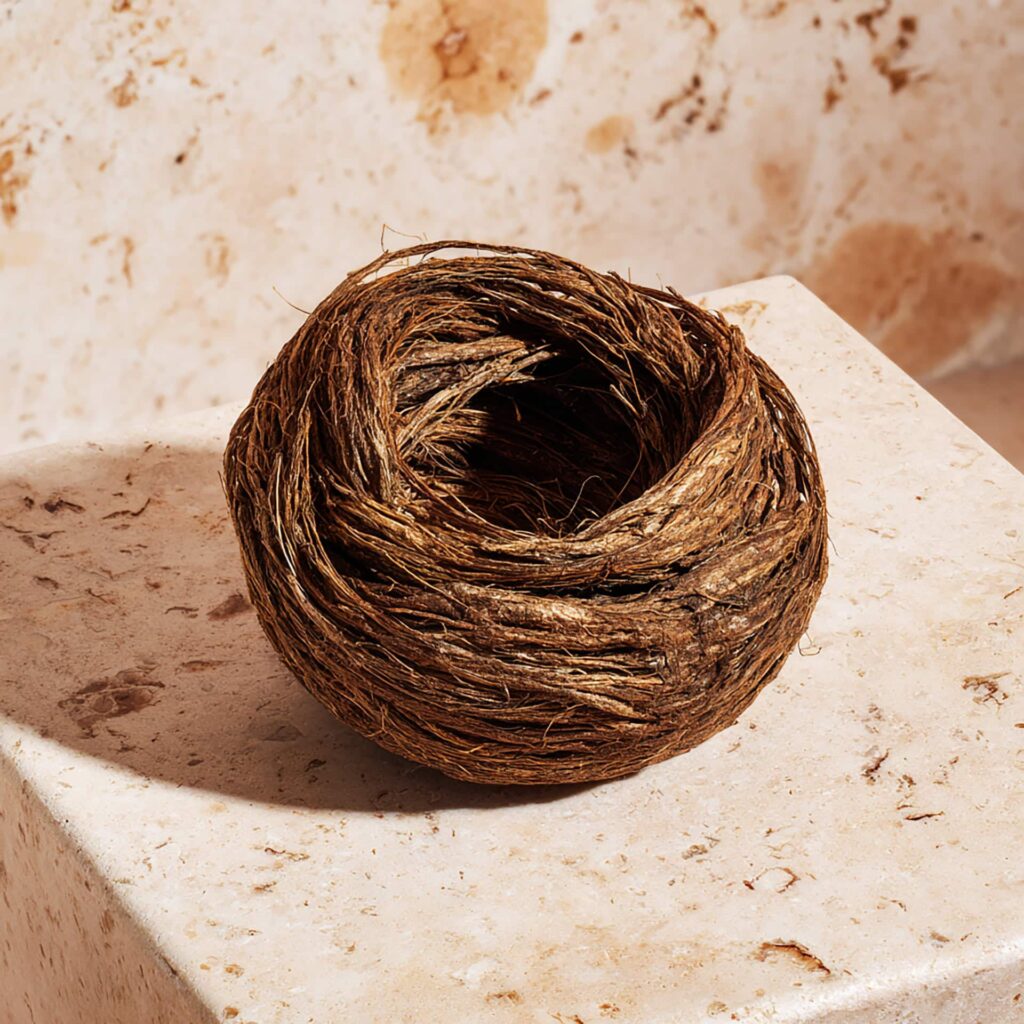
Oud, derived from aromatic agarwood, varies widely in character, with resinous, woody, leathery, balsamic or smoky facets. Vanilla can make its darker qualities more approachable without removing their mystery. The most interesting combinations move between darkness and softness rather than merely sweetening oud.
Tobacco Vanilla Perfume: Warmth With an Edge
Tobacco notes bring a dried-leaf, honeyed and slightly smoky warmth. Set against vanilla, they add an edge that keeps the sweetness adult and dramatic rather than comforting. It is one of the boldest directions in the woody vanilla family, best suited to cold evenings.
The Third Scent: When Two Aromas Become Something New
Our sense of smell does not simply catalogue every ingredient independently. Aromatic molecules activate patterns of olfactory receptors, and the brain interprets those patterns using sensory experience and memory. Sometimes a mixture is perceived as a unified aroma rather than a set of separate notes. Researchers call this configural odour perception; a review in Frontiers in Psychology explains how the brain blends odour mixtures into single perceived “objects”.
This does not mean vanilla and sandalwood must react to form a new molecule. The third scent may emerge in perception. Not every mixture produces a wholly new impression, and perceptions differ between people, but creating a coherent aroma that transcends an obvious list of ingredients is central to perfumery.
Why Woody Vanilla Feels Cosy, Inviting and Seductive
Vanilla is often associated with food, cakes, custards and chocolate; many people learn to connect it with sweetness and comfort. Woods can evoke forests, incense, polished timber and warm interiors. In combination these associations overlap: reassurance meets mystery, familiarity meets complexity.
Like fine dark chocolate, woody vanilla is not compelling because of sweetness alone. Dryness, bitterness, creaminess and warmth provide contrasts worth revisiting. This is a description of sensory pleasure, not a claim that the fragrance is chemically addictive or universally attractive.
Why Woody Vanilla Is Especially Beautiful in Winter
Cooler air generally slows evaporation of aromatic materials compared with warmer conditions, changing projection and development. That does not guarantee longer wear: formula, skin and environment all matter. Yet woody, balsamic and resinous scents often evoke the tactile comforts of winter: wool, cashmere, warmth after cold air, and a quiet evening indoors. It is why a woody vanilla perfume so often becomes a winter signature.
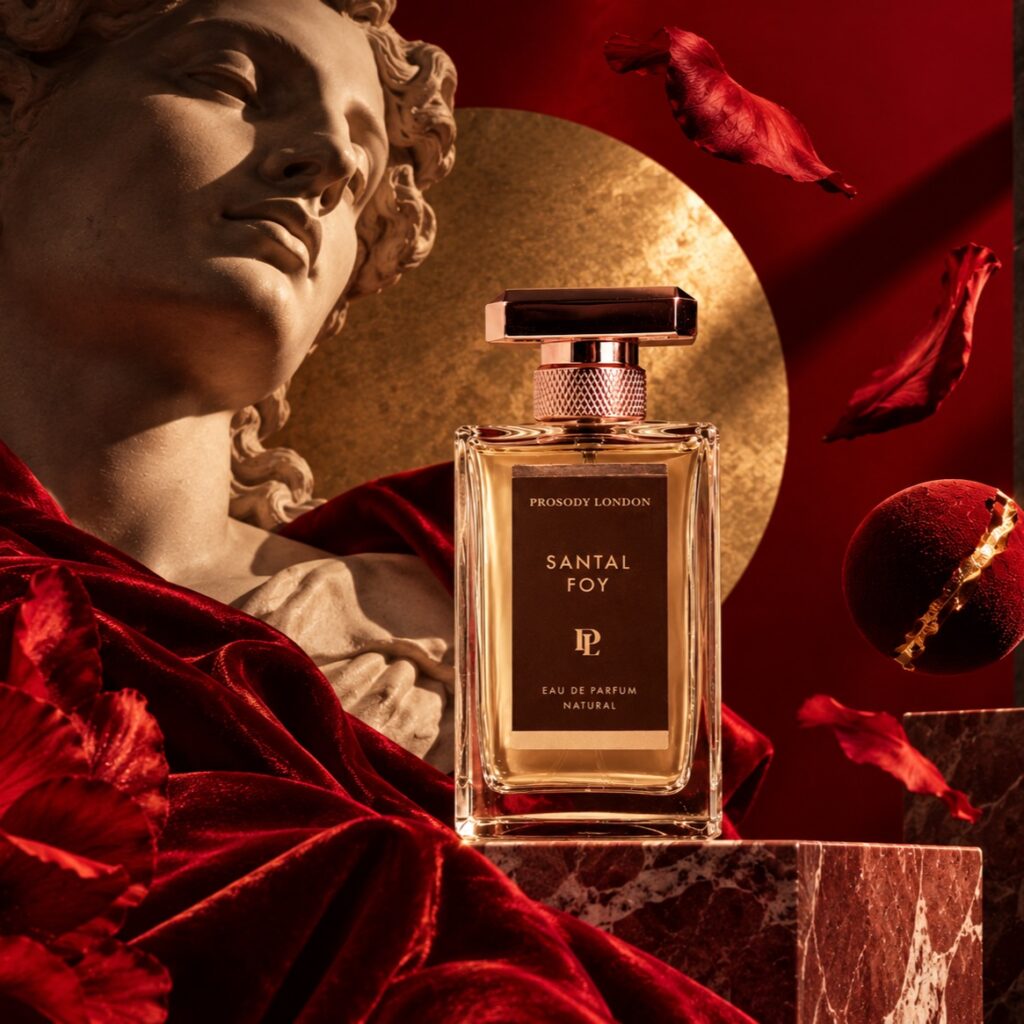
Three Woody Vanilla Classics
These well-known woody vanilla perfumes show the breadth of the category, from restrained to opulent.
Diptyque Eau Duelle — best for a drier, spicier vanilla
Eau Duelle explores aromatic, spicy vanilla: think spice, woods and a sense of space around the vanilla rather than sugar. It deserves consideration from readers who usually avoid gourmand perfume. Compare the eau de toilette and eau de parfum rather than assuming they smell identical.
Guerlain Spiritueuse Double Vanille — best for rich, balsamic vanilla
A reference point for vanilla treated as a full-bodied, sophisticated material rather than a sugary topping. Consider this direction if you want balsamic richness and warmth; it is a different proposition from a light everyday skin scent.
Tom Ford Tobacco Vanille — best tobacco vanilla
Tobacco Vanille uses tobacco and spice to offset sweetness, taking vanilla into a deeper, more dramatic register. Its character is assertive rather than discreet, so test it before choosing it for daily wear.
If You’d Like to Try Natural Perfume — Four Woody Vanillas From Prosody London
At Prosody London I work only with plant-derived aromatic materials. These four woody vanilla perfumes illustrate different relationships between sweetness, dryness, warmth and depth, each built on real vanilla.
Santal Foy: Creamy Sandalwood and Madagascan Vanilla
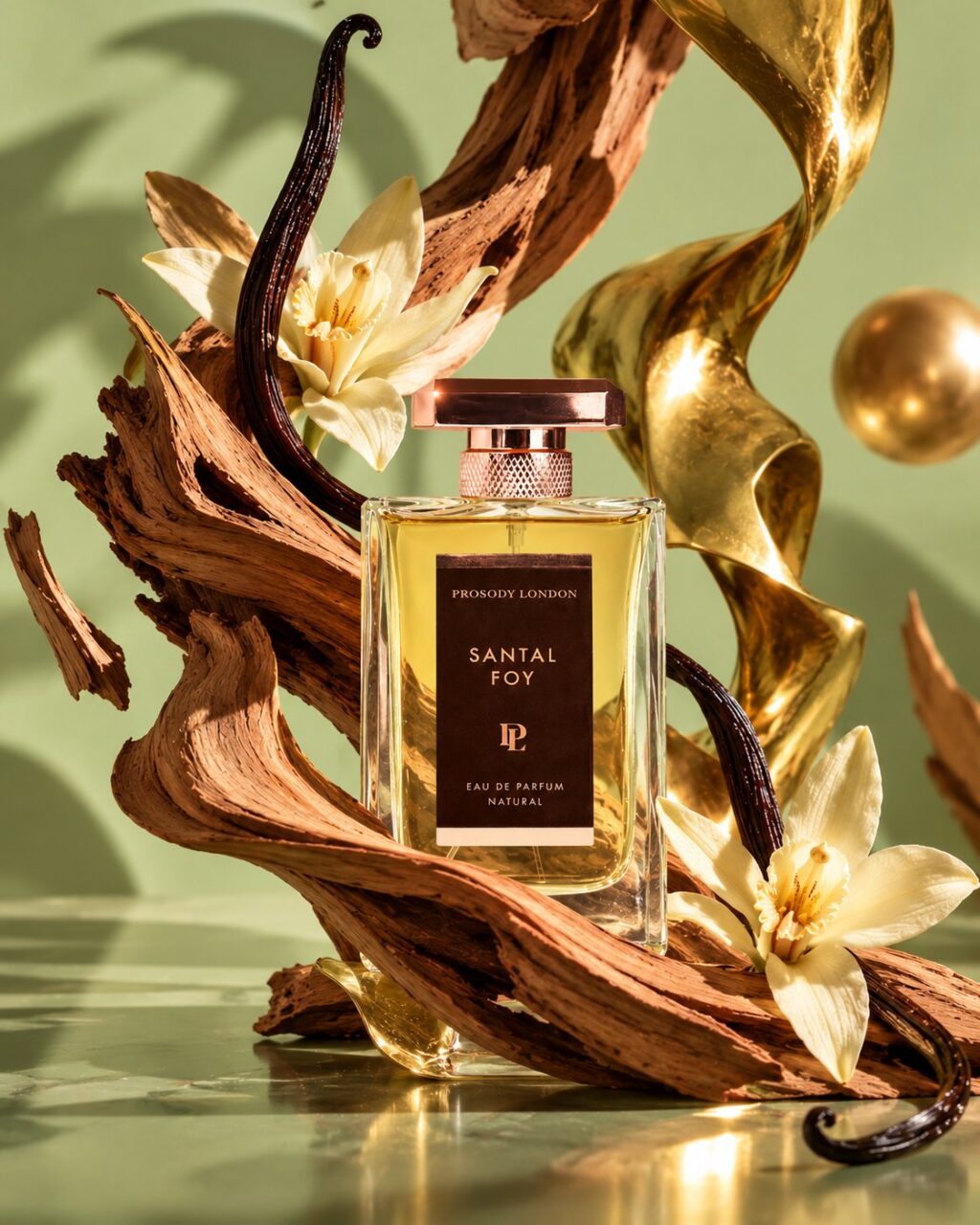
Santal Foy explores the softest relationship between sandalwood and vanilla, with tonka, myrrh and orange blossom, and a creamy coconut opening. The woods lend a close, velvety character, while the floral facets keep the warmth from feeling heavy. This is an intimate rather than overtly gourmand interpretation.
Oud Octavo: Oud, Cedarwood and Dark Vanilla
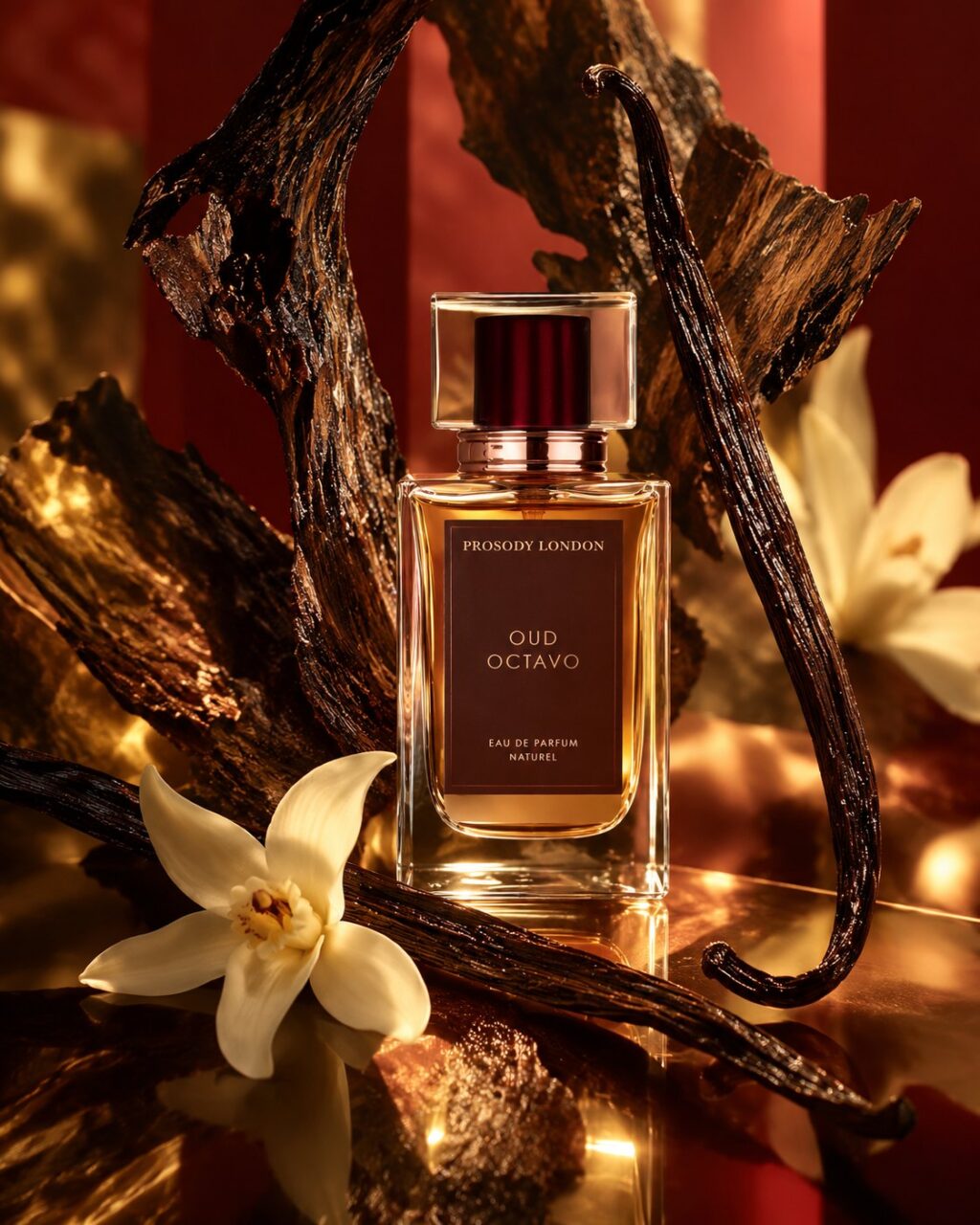
Oud Octavo explores the contrast between dark woods, spice and resin: agarwood, cedarwood, cinnamon leaf and labdanum over a base of vanilla, benzoin and sandalwood. Vanilla’s warmth connects the woody and balsamic elements without obscuring oud’s deeper character. The effect is particularly suited to cooler evenings.
Mocha Muscari: Coffee, Vanilla and Dark Woods
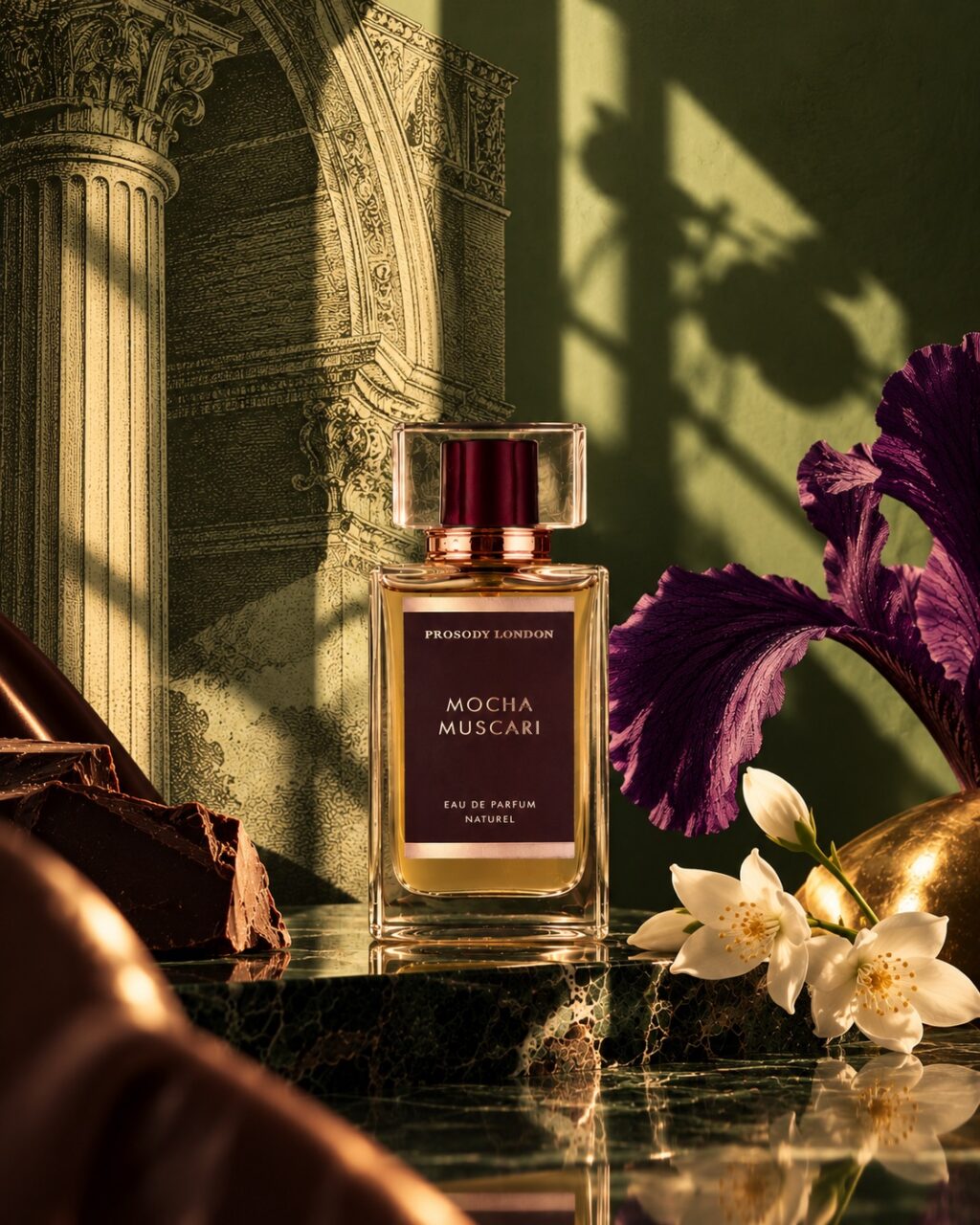
Mocha Muscari explores the chocolate analogy most directly. Coffee’s roasted, cocoa-like impressions offer a delicious counterpoint to vanilla, while patchouli, Peru balsam and agarwood bring complexity beyond a conventional sweet gourmand. It is the contrast of bitter and sweet that makes the accord interesting.
Lantern Reed: Vetiver, Myrrh and a Fresher Vanilla

Lantern Reed approaches vanilla through citrus freshness and the earthy dryness of vetiver, with myrrh and agarwood for depth. Grapefruit and bergamot introduce brightness, allowing the vanilla to remain a supporting warmth rather than the main event.
Not sure which suits you? Try all four in our 6 x 2ml discovery set, or let the Signature Scent Finder match you by the notes you love.
How to Choose Your Woody Vanilla Perfume
Choose sandalwood if you love creaminess, oud if you prefer darkness and resinous depth, tobacco or coffee for richness, or vetiver if you want a drier, fresher contrast. Try any woody vanilla perfume on skin and revisit it over several hours: the evolution is part of the pleasure.
Woody Vanilla Perfume: FAQ
What is the best woody vanilla perfume?
It depends on which wood you love. Diptyque Eau Duelle suits a drier, spicier style, Guerlain Spiritueuse Double Vanille is richer and more balsamic, and Tom Ford Tobacco Vanille is the bold tobacco option. If you’d like to try natural perfume, Santal Foy is the creamiest of our four woody vanillas and Oud Octavo the darkest.
What makes woody vanilla different from ordinary vanilla perfume?
Woody vanilla balances vanilla’s sweetness and balsamic warmth with woods that can make it feel drier, darker or softer.
Why do sandalwood and vanilla smell good together?
Vanillin contributes sweetness, while sandalwood’s santalols contribute creamy woody character. Their sensory qualities complement one another, creating an impression of warm skin rather than sugar.
Does oud go with vanilla?
Yes. Vanilla can make oud’s darker, leathery and smoky facets more approachable without removing their mystery, and oud stops vanilla from feeling merely sweet.
Does patchouli smell like chocolate with vanilla?
Patchouli can have dark, earthy nuances that suggest chocolate in some compositions, although this varies with the materials and the wearer.
Is vetiver vanilla sweet?
Not necessarily. Vetiver’s dryness can temper vanilla’s sweetness, creating a more restrained, fresher fragrance.
Why is woody vanilla good for winter?
Its woody, resinous and balsamic qualities are often associated with warmth and comfort, while cooler temperatures influence how the fragrance evaporates and develops.
Are woody vanilla perfumes unisex?
Yes. The balance of ingredients and individual taste matter more than gender labels.
The Art of Creating Something More Than Vanilla and Wood
Sandalwood brings creaminess, patchouli darkness, vetiver tension and oud resinous depth. Vanilla moves between them, softening some qualities and revealing others. At its best, the composition becomes a single inviting impression: cosy yet seductive, familiar yet mysterious, warm yet never merely sweet.
Like exceptional dark chocolate, it is not simply the sweetness that makes you want more. It is everything surrounding the sweetness.
About the author: Kershen Teo is the founder and perfumer of Prosody London, a British botanical fragrance house creating original perfumes with plant-derived aromatic ingredients.
Further reading: Best Vanilla Perfumes in 2026 · Lactonic Perfumes and Creamy Sandalwood · Sandalwood Perfume · Prosody London botanical ingredients


