


Vetiver
Chrysopogon zizanioides
Vetiver is earthy, smoky and woody, with a green, nutty depth. Discover the root that anchors woody, fresh and chypre blends.
What does vetiver smell like in perfume?
Vetiver smells earthy, smoky and woody, with a fresh green edge and a nutty depth. It is one of perfumery’s great base notes, adding elegance and staying power.
| Botanical name | Chrysopogon zizanioides |
|---|---|
| Plant part | Roots |
| Origin | Haiti, Java and India |
| Extraction | Steam distillation |
| Note | Base |
| Scent family | Woods & Resins |
| Odour | Earthy, smoky and woody, with a green, slightly nutty depth |
| Perfume uses | Woody, chypre, fresh and oriental blends |
| Key molecules | Khusimol, vetiselinenol, α- and β-vetivone |
| Odour impact | High |
| Odour life on a strip | Very long: lasts for days |
| Found in | Bebop Allure, Lantern Reed, Mocha Muscari, Oud Octavo, Pizzicato Bliss, Santal Foy |
Used within IFRA limits. Impact and odour life are our own studio guide, judged on a smelling strip.
What Is Vetiver?

Vetiver oil is distilled from the roots of Chrysopogon zizanioides, a tall grass grown in Haiti, Java and India. The roots are dug up, washed, dried and distilled. Haitian vetiver is especially prized for its smooth, refined character.
Vetiver Scent Profile
Here is how strongly each facet of vetiver comes through, from our own smelling-strip notes.
Earthy
Damp, rooty soil.
Woody
Dry, refined wood.
Smoky
A soft, smoky edge.
Green
A fresh, grassy note.
Nutty
A warm, hazelnut-like depth.
How Perfumers Use Vetiver

Vetiver gives a fragrance structure and longevity. It freshens woods, grounds citrus and adds an earthy elegance to florals and gourmands.
Haiti, Java or India?
Haitian vetiver is smooth and refined; Javanese is smokier and darker; Indian is rich and earthy. Each gives a different character to a perfume.
Growing and harvesting vetiver
Vetiver is a tall tropical grass grown for its roots in Haiti, Java and India. The plants grow for a year or more before they are dug up. The roots are washed, dried and then steam-distilled slowly, as the oil is thick and takes a long time to come out.
The molecules behind vetiver’s scent
Vetiver oil contains hundreds of compounds. Khusimol gives a woody, earthy base. α- and β-vetivone bring the dry, woody character that is vetiver’s signature. Vetiselinenol adds depth, and smaller compounds give the smoky, nutty and green notes.
Natural or synthetic vetiver?
Vetiver is very hard to recreate, so most perfumes use the natural oil or materials made from it. Vetiveryl acetate, made from vetiver oil, is a smoother, drier version. The natural oil is earthier and smokier, with more of the root in it.
Vetiver in history and tradition
In India vetiver is called khus. Its roots are woven into mats and screens, called khus tattis, which are hung in doorways and windows in summer and sprinkled with water so the breeze carries the scent indoors. Khus also flavours a green summer syrup. Haiti has become one of the main producers of vetiver oil.
How to smell vetiver yourself
Indian grocers in Britain sometimes sell khus roots, or khus syrup. Smell the dry roots, then sprinkle them with a little water and smell them again. The wet roots release a cool, earthy, woody scent, much like vetiver oil.
Smell Vetiver in Prosody London Perfumes
For vetiver at its most expressive, try Lantern Reed. Vetiver anchors a green, woody composition with orris, myrrh and agarwood. You will also find vetiver in Bebop Allure, Mocha Muscari, Oud Octavo, Pizzicato Bliss and Santal Foy.
-


-
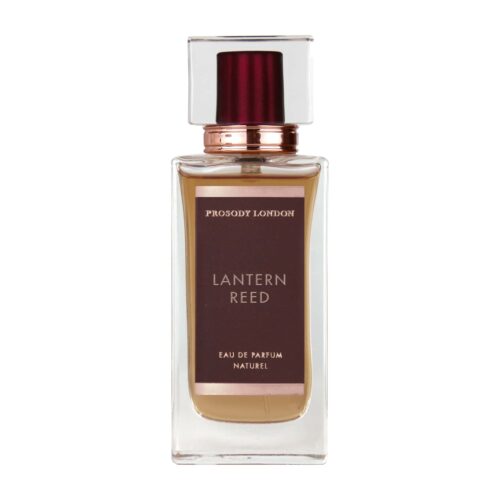

Lantern Reed – Natural Perfume
Price range: £49.00 through £135.00Select options This product has multiple variants. The options may be chosen on the product page -


Mocha Muscari – Natural Perfume
Price range: £52.00 through £149.00Select options This product has multiple variants. The options may be chosen on the product page -


Oud Octavo – Natural Perfume
Price range: £52.00 through £149.00Select options This product has multiple variants. The options may be chosen on the product page -


-


Santal Foy | Natural Eau de Parfum
Price range: £55.00 through £189.00Select options This product has multiple variants. The options may be chosen on the product page
What Blends Well With Vetiver?
Questions About Vetiver
Is vetiver masculine?
Vetiver has a long history in classic masculine perfumery, but the scent itself is not gender-specific. Its earthy, green and woody facets also work beautifully in feminine and unisex fragrances, alongside florals, citrus and warm woods.
Does vetiver last long?
Yes, it is one of the longest-lasting natural materials.
What pairs with vetiver?
Citrus, rose, sandalwood, patchouli and grapefruit.
Is vetiver the same as sandalwood?
No. Vetiver essential oil comes from the roots of a tropical grass, while sandalwood oil comes from the wood of sandalwood trees. Both have woody qualities, but vetiver is usually earthier, greener and sometimes smoky, whereas sandalwood is typically smoother, creamier and softer.
What does vetiver smell similar to?
Vetiver can evoke damp earth, dried grass, tree roots and dry woods, sometimes with smoky, nutty or grapefruit-like facets. Its character varies with the origin and processing of the oil.
What is the difference between Haitian and Javanese vetiver?
Haitian vetiver is often cleaner, greener and smoother, while Javanese vetiver tends to be darker, earthier and smokier. These are general tendencies rather than fixed rules: harvest, distillation and individual batches also influence the scent.
Explore all of our natural perfume ingredients.
