


Body Odour — Causes, Natural Remedies and a Perfumer’s Fix
By Kershen Teo | Founder & Perfumer, Prosody London — Updated June 2026
Body odour is not caused by sweat. It is caused by bacteria feeding on sweat — and most conventional deodorants address the wrong problem. This is a perfumer’s guide to what actually causes body odour, which botanical ingredients in natural cologne neutralise it at source, and why applying a well-formulated botanical cologne to your shirt creates a more effective, longer-lasting result than anything in the deodorant aisle.
At a glance: The botanical ingredients best evidenced for neutralising body odour are lavender (linalool, linalyl acetate), sandalwood (santalol), patchouli (patchoulol), grapefruit with nootkatone (EPA-registered antimicrobial), clary sage (sclareol), neroli (linalool, geraniol), frankincense/olibanum (boswellic acids), myrrh (antimicrobial fixative), lemongrass (citral), ylang ylang (benzyl acetate), clove and cinnamon (eugenol, cinnamal — among the most potent antibacterial compounds in natural perfumery). The Prosody London colognes and perfumes that contain them — Mocha Muscari, Santal Foy, Oud Octavo, Lantern Reed, Neroli Nuance, Carissis, Whistle Moon, A Capella Ray, Paper Flower Fan, and Jacinth Jonquil — are reviewed below.

What Actually Causes Body Odour
Sweat is not the problem — bacteria is
Sweat itself is odourless. The human body produces two types: eccrine sweat, which is mostly water and electrolytes and cools the body; and apocrine sweat, produced in the armpits and groin, which contains proteins and fatty acids. It is the apocrine sweat that bacteria feed on. The bacteria are the mechanism. The sweat is merely the substrate.
The two types of sweat and why only one causes body odour
Eccrine glands are distributed across the entire body and produce sweat primarily for thermoregulation. Apocrine glands are concentrated in the axillary and groin areas and produce a thicker secretion rich in proteins, fatty acids, and steroids. This apocrine secretion is the fuel source for the odour-producing bacteria that colonise these areas.
The bacterial mechanism — thioalcohols and short-chain fatty acids
The bacteria responsible for body odour — primarily Staphylococcus hominis and Corynebacterium species — break down fatty acids and amino acids in apocrine sweat into thioalcohols and short-chain fatty acids. These are the compounds that produce the characteristic sharp, sulphurous smell of body odour. A 2020 study published in Scientific Reports identified a specific bacterial enzyme in odour-forming staphylococci that cleaves odourless precursors into thioalcohols — the most pungent components of body odour.

Why Conventional Deodorants Don’t Solve Body Odour
How aluminium antiperspirants actually work
Antiperspirants use aluminium salts — aluminium chlorohydrate or aluminium zirconium — to physically plug the sweat ducts, preventing perspiration. This reduces the substrate available to bacteria, which reduces body odour. But it also prevents a natural physiological function and deposits aluminium salts on skin that is frequently broken by shaving.
What’s in the ingredient list — and why it matters
The ingredient list of a typical antiperspirant contains aluminium salts, synthetic fragrance (listed as “parfum,” concealing dozens of undisclosed compounds), parabens or other preservatives, and propylene glycol as a carrier. Every one of these is applied daily to thin, often freshly shaved skin directly adjacent to lymph nodes. Synthetic musks in conventional deodorant fragrances — including galaxolide and tonalide, now under formal reproductive toxicant classification review by ECHA — accumulate in adipose tissue and have been detected in human breast milk.
The precautionary case for a botanical alternative
The combined exposure profile of a conventional antiperspirant applied daily to underarm skin over decades is not well-studied as a whole. But for a product applied to one of the most absorbent areas of the body, twice daily, for years, the precautionary case for a botanical alternative is meaningful. For the full picture on synthetic fragrance ingredients and their health implications, read our guide to endocrine disruptors in perfume and our guide to hidden chemicals in perfume.
The Botanical Ingredients That Neutralise Body Odour
The following essential oils and botanical compounds have peer-reviewed evidence for antibacterial activity against the specific organisms responsible for body odour. This is not a general claim about pleasant smell — it is targeted action on the bacterial mechanism.
Lavender — linalool and linalyl acetate
Lavender essential oil has well-documented antibacterial activity against Staphylococcus species — the primary bacteria responsible for axillary body odour. The active compounds linalool and linalyl acetate disrupt bacterial cell membranes, inhibiting growth. Multiple in vitro studies confirm lavender’s efficacy against skin-surface bacteria. It is also anti-inflammatory, making it well-suited for underarm application on frequently irritated skin. Linalyl acetate is the signature molecule of Prosody London’s perfumery — present at high concentration across the collection.
Present in: Mocha Muscari
Sandalwood — santalol
Santalol, the primary bioactive compound in sandalwood, has demonstrated antimicrobial activity against gram-positive bacteria in peer-reviewed research, including the Staphylococcus species most associated with body odour. It is also documented as anti-inflammatory — relevant because underarm skin is frequently compromised by conventional deodorants and shaving. Sandalwood’s large sesquiterpene molecules are among the slowest-evaporating in natural perfumery, creating a sustained, skin-close presence that merges with body chemistry rather than sitting on top of it.
Present in: Santal Foy
Patchouli — patchoulol
Patchouli has strong, well-documented antibacterial properties against a broad spectrum of organisms, including the Corynebacterium and Staphylococcus species most associated with body odour. Patchoulol, its primary active compound, also has antifungal activity. In natural perfumery, patchouli functions simultaneously as an antibacterial ingredient and a fixative — its large, heavy molecules anchor lighter top notes and slow the overall evaporation of the composition. A cologne with patchouli in the base is both more effective against body odour bacteria and longer-lasting on skin.
Present in: Mocha Muscari, Oud Octavo
Grapefruit and nootkatone
Nootkatone is a naturally occurring compound found primarily in grapefruit zest. It is registered with the US Environmental Protection Agency as an active ingredient with demonstrated antimicrobial activity against skin-surface bacteria. In cologne, nootkatone contributes a sharp, clean citrus character that reads as freshness while performing genuine antibacterial work. Cold-pressed grapefruit oil, which contains nootkatone alongside other bioactive compounds, has a complexity that synthetic citrus reconstructions cannot approach.
Present in: Lantern Reed
Lemongrass — citral
Citral, the primary active compound in lemongrass essential oil, is one of the best-evidenced antibacterial botanicals in the entire essential oil canon. Multiple peer-reviewed studies confirm potent activity against both Staphylococcus and Corynebacterium species — the two main body odour bacteria. Notably, citral also inhibits biofilm formation — the process by which bacteria establish persistent colonies on skin. Some studies show lemongrass outperforming tea tree against certain Staphylococcus strains. Geraniol, also present in lemongrass, provides additional antibacterial activity.
Present in: A Capella Ray
Clary sage — sclareol
Clary sage essential oil contains sclareol, a diterpene alcohol with documented antibacterial and antifungal activity against skin-surface organisms. It is also clarifying and anti-inflammatory, making it particularly well suited to underarm skin. Clary sage develops into a warm, musky drydown — one of the rare botanical ingredients that functions as both an active antibacterial agent and a perfumery material with genuine complexity. It is also one of the richest natural sources of linalyl acetate.
Present in: Neroli Nuance, Mocha Muscari
Neroli — linalool and geraniol
Neroli, steam-distilled from bitter orange blossom, contains high concentrations of linalool and geraniol, both of which have demonstrated antibacterial activity against skin-surface bacteria in peer-reviewed research. It is skin-calming and anti-inflammatory. Neroli also has a documented calming effect on the nervous system — relevant given that stress is one of the primary triggers of increased apocrine sweat production and therefore body odour.
Present in: Neroli Nuance, Whistle Moon
Clove and ylang ylang — eugenol
Eugenol is one of the most potent antibacterial compounds in natural perfumery. Found in high concentration in clove essential oil and also present in ylang ylang, eugenol has demonstrated activity against both Staphylococcus and Corynebacterium species in multiple peer-reviewed studies — at minimum inhibitory concentrations lower than many synthetic antibacterial agents. Ylang ylang contributes additionally via benzyl acetate and linalool, and has documented anxiolytic and sebum-regulating effects that address two upstream causes of body odour: stress-triggered apocrine sweat and excess bacterial substrate.
Present in: Paper Flower Fan, Whistle Moon
Cinnamon — cinnamal
Cinnamal, the primary active compound in cinnamon essential oil, has some of the strongest documented antibacterial activity in the natural perfumery canon — active against gram-positive bacteria including Staphylococcus aureus and Corynebacterium species at very low concentrations. It also inhibits bacterial adhesion to skin surfaces, preventing the colonisation that produces persistent body odour. As a perfumery material, cinnamon adds warmth and spice to the heart of a composition.
Present in: Whistle Moon
Frankincense and olibanum — boswellic acids and incensole acetate
Frankincense (olibanum) contains boswellic acids with documented antimicrobial activity against gram-positive bacteria including Staphylococcus species. It also contains incensole acetate, shown in peer-reviewed research to reduce anxiety and cortisol response — directly relevant given that stress is one of the primary triggers of apocrine sweat and therefore body odour. Frankincense addresses the cause as well as the bacteria. Myrrh, often paired with frankincense, has its own well-documented antimicrobial properties and functions as a slow-evaporating resinous fixative that extends the antibacterial action throughout the day.
Present in: Carissis, Whistle Moon
The Perfumer’s Method — Why Cologne on Your Shirt Works Better Than Deodorant
What happens when you spray cologne on skin
When you spray cologne directly onto skin, the alcohol carrier evaporates rapidly, releasing the aromatic compounds in a concentrated burst. The fragrance is vivid for the first hour and then fades as the molecules absorb into skin and dissipate. The antibacterial action is brief. The presence is front-loaded.
What happens when you spray cologne on fabric
When you spray onto fabric — the underarm panel of a shirt, the collar, the chest — the dynamics change entirely. Fabric holds aromatic molecules in its fibres and releases them slowly as body heat builds throughout the day. The antibacterial botanical compounds — linalool, santalol, patchoulol, sclareol, nootkatone, citral, eugenol, cinnamal — are released gradually into the microenvironment closest to the skin, where the bacteria responsible for body odour are active.
The fragrance evolves slowly across hours rather than peaking immediately. You emit your presence gradually — as a consistent aura rather than an announcement. This is not a workaround. It is a perfumery principle. Fabric is a superior diffuser to skin for many aromatic molecules. The slow release of botanical compounds through fabric heat is what creates the quality of presence that synthetic deodorants — designed to block rather than to evolve — cannot replicate.
The practical instruction
Spray two to three times onto the underarm panel of your shirt before dressing. Allow the alcohol to evaporate for thirty seconds before putting the shirt on. The botanical compounds remain active in the fabric throughout the day, neutralising odour bacteria and creating a slow, evolving presence that is noticed at close range — in conversation, not across the room. For guidance on how botanical colognes evolve on fabric and skin, explore our natural cologne for men collection and our Build Your Own 6 x 2ml Discovery Set.
The Prosody London Colognes and Perfumes for Body Odour Control
Each of the following contains one or more of the antibacterial botanicals described above at meaningful concentration. All are 100% botanical — no synthetic musks, no phthalates, no aluminium compounds. All are formulated in organic grain alcohol, which is itself antibacterial and self-preserving.

Mocha Muscari — lavender, patchouli, clary sage
The strongest antibacterial botanical profile in the collection. Lavender, patchouli, and clary sage combine three of the best-evidenced body odour neutralising ingredients in perfumery. Rich, dark, and deeply tenacious — the patchouli base delivers both body odour control and 10–12 hours of wear. Shop Mocha Muscari

Whistle Moon — olibanum, myrrh, neroli, cinnamon, eugenol
The most comprehensive antibacterial profile in the cologne range. Frankincense (olibanum), myrrh, neroli, cinnamon, and eugenol provide five distinct antibacterial mechanisms simultaneously — plus the incensole acetate stress-reduction effect of the frankincense addressing the upstream cause of apocrine sweat. Fresh, ozonic, and magnetic — one of the most scientifically justified body odour colognes in natural perfumery. Shop Whistle Moon

A Capella Ray — lemongrass, citral
Citral at meaningful concentration — one of the strongest antibacterial compounds against the specific Staphylococcus and Corynebacterium bacteria responsible for body odour, with additional biofilm-inhibiting action. Bright, fresh, and solar — the natural cologne for body odour control in warm weather and active contexts. Shop A Capella Ray

Paper Flower Fan — ylang ylang, clove, eugenol, citral
Eugenol from clove and ylang ylang at high concentration, citral from lime and lemon, and benzoin as a slow-evaporating resinous base. Ylang ylang’s sebum-regulating and anxiolytic effects address the bacterial substrate and the stress trigger simultaneously. Light, floral, and ethereal — the best body odour cologne for those who want something airy rather than dark. Shop Paper Flower Fan

Santal Foy — sandalwood, santalol
Santalol at high concentration, antimicrobial and anti-inflammatory. Australian and Mysore sandalwood with tonka bean, myrrh, and orange blossom — skin-merging and deeply grounded, present from morning to evening without reapplication. The best body odour cologne for clean, woody, professional wear. Shop Santal Foy

Oud Octavo — oud, patchouli, amber
Agarwood (oud) has its own documented antimicrobial properties alongside the patchouli base. The deepest, most tenacious fragrance in the collection at 10–12 hours. For those who want maximum antibacterial longevity with a warm, resinous, masculine profile. Shop Oud Octavo

Five natural alternatives across every masculine scent profile — from fresh marine to warm resinous. Try all five in the Build Your Own Discovery Set before committing to a full bottle.
Lantern Reed — grapefruit, nootkatone, vetiver, myrrh
Nootkatone’s EPA-registered antimicrobial activity combined with a vetiver-myrrh base that anchors the citrus freshness all day. The best fresh citrus option for body odour control — bright and clean without synthetic ozonic molecules. Shop Lantern Reed
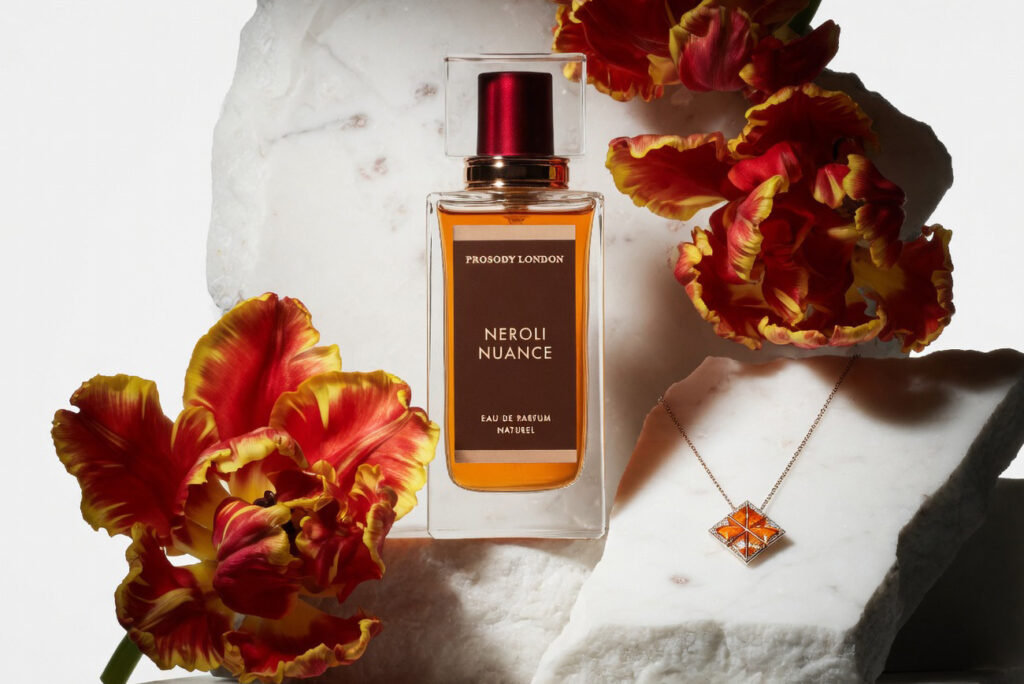
Neroli Nuance — neroli, clary sage, labdanum
Neroli’s linalool and geraniol alongside clary sage’s sclareol — two of the best-evidenced antibacterial botanicals in perfumery, in a bright, citrus-floral composition. The best daytime option — light enough for warm weather, effective enough for all-day wear. Shop Neroli Nuance

Jacinth Jonquil — ylang ylang, geraniol, linalool
Ylang ylang’s antibacterial eugenol and benzyl acetate alongside high concentrations of geraniol and linalool. The anxiolytic and sebum-regulating effects of ylang ylang address the upstream stress-sweat trigger. A joyful, spring-fresh cologne for body odour control in daytime wear. Shop Jacinth Jonquil
Carissis — frankincense, labdanum, warm resinous base
Frankincense’s boswellic acids and incensole acetate working on both the bacterial mechanism and the stress-sweat trigger. The gentlest, most skin-close option — a resinous aura that becomes indistinguishable from your own presence and lasts all day. Shop Carissis
Try any or all of these in our Build Your Own 6 x 2ml Discovery Set before committing to a full bottle.
Frequently Asked Questions
What actually causes body odour?
Body odour is caused by bacteria — primarily Staphylococcus hominis and Corynebacterium species — feeding on apocrine sweat and producing thioalcohols and short-chain fatty acids. Sweat itself is odourless. Addressing body odour means addressing the bacteria, not blocking the sweat.
Do natural deodorants actually work for body odour?
The most effective natural approach to body odour is not a deodorant at all — it is a botanical cologne containing antibacterial essential oils applied to clothing. Compounds including linalool (lavender), santalol (sandalwood), patchoulol (patchouli), nootkatone (grapefruit), citral (lemongrass), eugenol (clove, ylang ylang), cinnamal (cinnamon), and sclareol (clary sage) all have peer-reviewed evidence for activity against the bacteria responsible for body odour.
Is aluminium in deodorant dangerous?
Aluminium salts in antiperspirants work by physically blocking sweat ducts. They have been detected in breast tissue samples at elevated concentrations, and peer-reviewed research has raised questions about long-term exposure. Regulatory bodies currently deem them safe at cosmetic concentrations, but the precautionary case for avoiding daily application to underarm skin is meaningful. For the full picture, read our guide to endocrine disruptors in perfume.
Can you use cologne instead of deodorant for body odour?
A botanical cologne containing antibacterial essential oils — lavender, sandalwood, patchouli, grapefruit, lemongrass, clary sage, clove, cinnamon — can neutralise body odour bacteria rather than simply masking them. Applied to the underarm area of clothing rather than directly to skin, the aromatic compounds are released slowly throughout the day, providing consistent antibacterial action and a lasting presence. This is more effective for many people than conventional antiperspirant.
How long does botanical cologne last as a body odour solution?
Applied to fabric, botanical cologne containing resinous base notes — patchouli, sandalwood, oud, labdanum, myrrh — will remain active and present for 8–12 hours. The fabric releases the aromatic compounds slowly as body heat builds, providing consistent coverage throughout the day without reapplication.
Which Prosody London cologne is best for body odour?
Whistle Moon has the most comprehensive antibacterial profile in the cologne range — frankincense, myrrh, neroli, cinnamon, and eugenol providing five distinct antibacterial mechanisms. Mocha Muscari has the strongest profile in the perfume range — lavender, patchouli, and clary sage at high concentration with 10–12 hours of wear. A Capella Ray is the best fresh option, with citral’s biofilm-inhibiting action. Try all of them in the Build Your Own 6 x 2ml Discovery Set.
Explore Further
Endocrine disruptors in perfume — the full guide
10 best long-lasting natural perfumes
Phthalate-free perfume — why it matters
Natural cologne for men — full collection
Natural perfume for women — full collection


