


The Best Alternative to Creed Aventus 2026— A Working Perfumer’s Case
By Kershen Teo | Founder & Perfumer, Prosody London
At a Glance — Best Natural Alternative to Creed Aventus 2026
The best alternative to Creed Aventus starts with understanding what makes it iconic — birch, oakmoss, and ambroxan base chemistry explained. Three 100% botanical alternatives: Mocha Muscari for the structural match, Whistle Moon for the oakmoss and marine drydown, Pizzicato Bliss for the fruity opening. Full assessment below.
Not a copy. Not inspired by. Not a dupe. A genuine creative question — but also an urgent one. Because in 2026, the synthetic musks found in most mainstream fragrances are facing serious scrutiny. Synthetic musks such as Galaxolide and Tonalide do not break down in the body and accumulate in human fat tissue, blood, and breast milk. You are wearing these ingredients daily, on skin that absorbs them. That deserves a question: if you removed every synthetic musk and rebuilt that same smoky, fruity, animalic depth entirely from nature, what would you arrive at?
That question has an answer. But first — the chemistry of why Aventus works the way it does, and why in 2026, that chemistry deserves more scrutiny than it has received. Browse our natural perfume for men collection while you read.
What Aventus Actually Is
Aventus was created by Olivier Creed and his son Erwin, and released to mark Creed’s 250th anniversary. Its listed notes are generous: bergamot, blackcurrant, apple, lemon and pink pepper at the top; pineapple, birch, patchouli and Moroccan jasmine in the heart; oakmoss, musk, cedarwood and ambroxan in the base.
That is a compelling pyramid on paper. The reality, as with all commercial fragrances, requires the same qualification I made about Sauvage: in commercial perfumery, the word “notes” describes how a fragrance smells, not what it contains. A fragrance can list oakmoss, birch and patchouli as notes without containing a single molecule derived from those plants. The same scent character can be — and frequently is — achieved entirely through synthetic aroma chemicals. Brands are not required to disclose their full ingredient list beyond the allergen thresholds set by IFRA and EU regulation.
In Aventus’s case, this matters particularly for one listed ingredient: oakmoss.
Natural oakmoss (Evernia prunastri) is one of the great classical materials in perfumery — rich, earthy, slightly marine, irreplaceable in the chypre structures that defined twentieth-century masculinity. It is also a significant contact allergen. IFRA has progressively restricted natural oakmoss to the point where it cannot be used at meaningful concentrations in leave-on products. The oakmoss character in Aventus — that earthy, mossy quality in the drydown — is not delivered by natural oakmoss. It is delivered by synthetic aroma chemicals engineered to approximate its scent profile.
This is not a criticism of Creed specifically. Every major perfume house faces the same IFRA restrictions. But it is worth understanding when you are paying for the Aventus experience: the note that many people identify as the most distinctive and sophisticated part of the fragrance is a synthetic substitute, not the material it is named after.
The ambroxan in the base — the same molecule at the heart of Sauvage’s DNA — provides the skin-level warmth and projection that makes Aventus linger. Musk in the base almost certainly refers to synthetic musk compounds, the category with the most documented concern around bioaccumulation in human tissue. The birch note — that distinctive, slightly smoky, tar-like quality — is achieved through synthetic chemistry rather than birch tar essential oil, which carries its own IFRA restrictions.
What Aventus does brilliantly is integrate these components into a coherent, compelling whole. The result is genuinely impressive. The question is whether you want to keep wearing it once you know what it is made of.
Why Most Alternatives Miss the Point
The “best alternative to Aventus” category online is almost entirely occupied by one type of product: cheaper synthetic fragrances that approximate Aventus’s scent profile using the same palette of synthetic molecules at lower cost. Armaf Club de Nuit Intense is the canonical example — widely praised, much cheaper, built on the same synthetic foundations.
These are not alternatives in any meaningful sense. They are cheaper versions of the same thing, and the process behind them is worth understanding: synthetic fragrances can be broken down to their precise molecular composition using gas chromatography-mass spectrometry (GCMS). Once a formula is mapped, it can be replicated at scale with minimal cost.
This is why so many Aventus alternatives smell almost identical to the original — not because of any perfumery skill, but because the synthetic molecules that make up the formula can be identified, sourced and recombined by anyone with access to a GCMS machine and an aroma chemicals supplier. If your concern is cost, they are legitimate. If your concern is what you are putting on your skin, they offer no improvement whatsoever.
A botanical formula is a different matter entirely. Essential oils and absolutes are composed of hundreds — sometimes thousands — of naturally occurring constituents that shift with harvest, geography and season. GCMS can map what is present, but it cannot replicate the living complexity of the source material. A synthetic fragrance can be cloned in an afternoon. A genuine botanical cannot.
The Botanical Case for a Natural Alternative to Aventus
Aventus works across three distinct phases, each requiring a different botanical answer.
The opening is about brightness, freshness and a distinctive fruity quality that the blackcurrant-apple-pineapple accord creates. In botanical perfumery, this character comes from citrus essences — bergamot, lemon, mandarin — combined with green and fruity naturals. The pineapple note in Aventus is synthetic (there is no pineapple essential oil); the botanical equivalent is achieved through a combination of citrus and green materials that create a similar juicy, slightly tart brightness.
The heart is where the smoke and the jasmine begin their conversation. Moroccan jasmine absolute is one of the great naturals — rich, indolic, honeyed — and is available in its genuine botanical form. Birch tar, used carefully within regulatory limits, delivers the smoky, slightly medicinal quality that makes Aventus recognisable in the heart and base. Patchouli in the heart adds depth and a dark, slightly earthy richness that grounds the brighter top notes.
The base is where the botanical case is most compelling. Natural oakmoss, used at low concentrations within current IFRA limits, delivers the genuine chypre earthiness that Aventus’s synthetic oakmoss substitute approximates. This is a case where the botanical alternative is not merely equivalent — it is the original material, used at a concentration that remains compliant, producing the effect that the synthetic was invented to mimic. Labdanum and vetiver handle the warmth and longevity that ambroxan provides in Aventus’s base.
Natural Alternative to Aventus- 3 answers
I make three fragrances that together cover the territory of Aventus. No single one is a clone — that is not what I make — but each addresses a specific dimension of what Aventus does, built entirely from botanical materials.

Mocha Muscari — The Structural Match, Natural Alternative to Aventus
Mocha Muscari shares the deepest structural kinship with Aventus. Both move from a citrus-spice opening through a complex heart into a warm, resinous base with genuine longevity. Both occupy the same register — unambiguously masculine, composed rather than casual, built for the kind of day that requires presence.
The top opens with coffee, mandarin, mango, black pepper and lavender. The coffee-mandarin-mango-pepper accord delivers the same sharp, slightly metallic brightness that bergamot, pink pepper and lemon create in Aventus — a clean, energising opening that announces itself without shouting. Black pepper adds the spice dimension; lavender bridges the opening into the heart.
The heart is juniper berry and jasmine — juniper bringing the aromatic, resinous quality that Aventus achieves through its birch-patchouli accord; jasmine adding the floral depth and slight indolic richness that Moroccan jasmine contributes to Aventus’s heart.
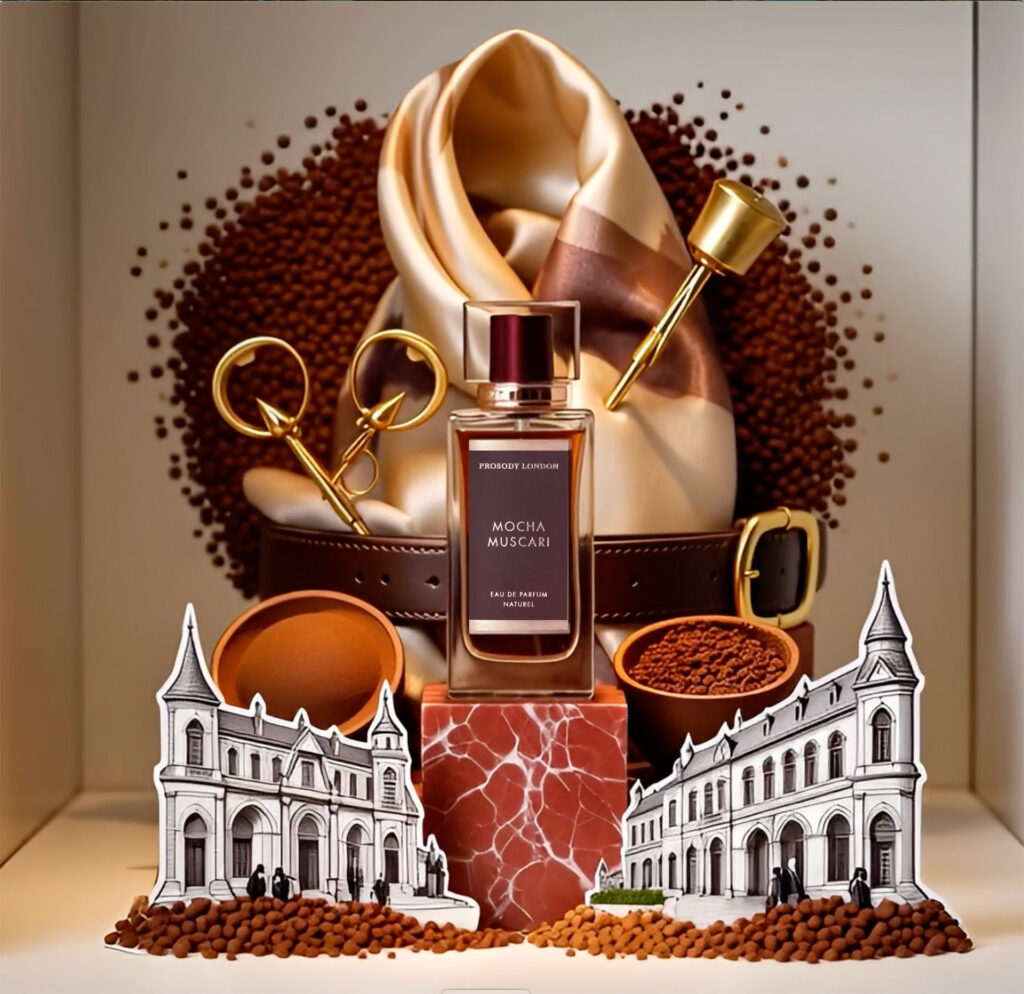
The base — sandalwood, vanilla, vetiver, labdanum, geranium and patchouli — does what ambroxan and synthetic oakmoss do in Aventus: it grounds the fragrance, warms it, extends it, and gives it that close-to-skin presence that makes people lean in. Labdanum in particular carries the earthy, slightly animalic quality that genuine oakmoss possesses — arguably closer to the original chypre character than Aventus’s own synthetic substitute.
Explore Mocha Muscari →

Pizzicato Bliss — The Fruity Opening, Natural Alternative to Creed Aventus
If what draws you to Aventus is the fruity, almost tropical brightness of its first hour — the blackcurrant, the apple, the pineapple — Pizzicato Bliss is the botanical answer. It is the most fruit-forward fragrance I make, built around a citrus-green-fruity opening that captures the same energy as Aventus’s opening act: fresh, lively, slightly tart, with a sense of brightness that is unmistakably modern.
Where Aventus achieves this through synthetic fruity molecules, Pizzicato Bliss builds it from botanical citrus essences and green materials. The result is a fragrance that shares Aventus’s opening temperament — the same “just arrived, slightly charged” quality — while being composed entirely from plant-derived ingredients.
For Aventus wearers who find the drydown too heavy for daily wear, Pizzicato Bliss offers the best of Aventus’s first chapter in a format that stays fresher longer.
Explore Pizzicato Bliss →
Whistle Moon — The Oakmoss and Marine Drydown, Natural Alternative to Creed Aventus
The quality in Aventus that is hardest to replicate is the drydown: that cool, slightly marine, mossy-woody base that the oakmoss and birch accord creates. Whistle Moon is the fragrance I make that addresses this most directly — not through imitation, but through botanical materials that Aventus’s base can only approximate with synthetic substitutes.
Whistle Moon opens with neroli, melon and mandarin — a fresh, slightly ozonic citrus opening that carries the same airiness as Aventus’s bergamot-lemon top, with the melon adding a juicy fruitiness that mirrors Aventus’s blackcurrant-apple character. The heart moves into cinnamon and olibanum (frankincense) — warm, resinous, slightly smoky, occupying the same olfactory space as Aventus’s birch-patchouli heart without a single synthetic molecule doing the work.
The base is where Whistle Moon makes its clearest case: peach, seaweed and myrrh. The peach adds a ripe, slightly animalic fruitiness that echoes Aventus’s drydown character; the seaweed delivers a genuine marine-ozonic quality; and the myrrh provides dark, balsamic depth. Crucially, Whistle Moon contains real botanical oakmoss — the actual material that Aventus lists but cannot use at meaningful concentration due to IFRA restrictions.
The Perfume Society described it as “a silvered gleam of a wooden boat gliding over a lake — the orange blossom darker here, sweetened a touch with candied peel, mellow greengage segueing to a seaweed-tinged purr of myrrh.” That is Aventus territory — cool, marine, slightly dark and resinous — rendered in botanical rather than synthetic language.
For the Aventus wearer who identifies most strongly with that cool, woody-mossy drydown, Whistle Moon is the most direct and most authentic botanical answer. In this specific respect — the oakmoss — the natural alternative is more honest than the original.
Explore Whistle Moon →

The Honest Difference
Aventus will project further and last longer on most people. It is engineered for performance in a way that botanical fragrances, by definition, are not — the synthetic musks, the ambroxan, the performance-optimised aroma chemicals all contribute to a longevity and projection that botanical resins and essential oils approach but do not fully match.
What these botanical alternatives offer instead is fragrance that develops — that opens differently than it dries down, that changes on your skin across the course of a day, that rewards proximity rather than announcing itself from across a room. The labdanum-vetiver-myrrh bases in Mocha Muscari and Whistle Moon extend well into a working day; Pizzicato Bliss is lighter and more appropriate for reapplication.

The other difference is what you are putting on your skin. Synthetic musks as a category — the type used to create the clean, laundry-fresh projection found in fragrances like Aventus — are known to bioaccumulate in human tissue, a finding documented across multiple peer-reviewed studies including research published in the International Journal of Hygiene and Environmental Health.
Certain synthetic musks have been identified as potential endocrine disruptors, and several — including nitro musks such as musk tibetene and musk ambrette — have already been banned in the EU on safety grounds. The specific musk compounds in any commercial formula are not publicly disclosed. What is known is that synthetic musk is listed as a base note characteristic of Aventus, and that synthetic musks as a class carry documented concerns that natural alternatives do not.
Every ingredient in Mocha Muscari, Pizzicato Bliss and Whistle Moon is botanical. Every note listed is the actual material in the bottle.
Who This Is For
Aventus built its reputation on the idea that fragrance could be serious — that a man could care about what he wore without it being trivial. That instinct is correct. The natural alternative to Aventus takes it one step further: fragrance that is serious about both what it smells like and what it is made of.
If you wear Aventus and love it, I am not suggesting you stop. It is one of the genuinely great commercial fragrances of the past twenty years.
But if you have been wearing it for a decade and wonder whether there is something more interesting on the other side of the synthetic divide, a working perfumer’s alternatives are worth your time.
Try all three. They offer different answers to what a natural alternative to Aventus can be.
Mocha Muscari, Pizzicato Bliss and Whistle Moon are available from Prosody London. All Prosody London fragrances are 100% botanical, formulated without synthetic musks, petrochemical derivatives, or phthalates, in an organic grain alcohol base.
Explore Natural perfume for men — full collection →
Build your Discovery Set — try 4 or 6 fragrances →
For your fourth perfume sample you may also try Carissis too, a skin perfume with fruity top notes nuanced with animalic musky note.
Explore Carissis →


