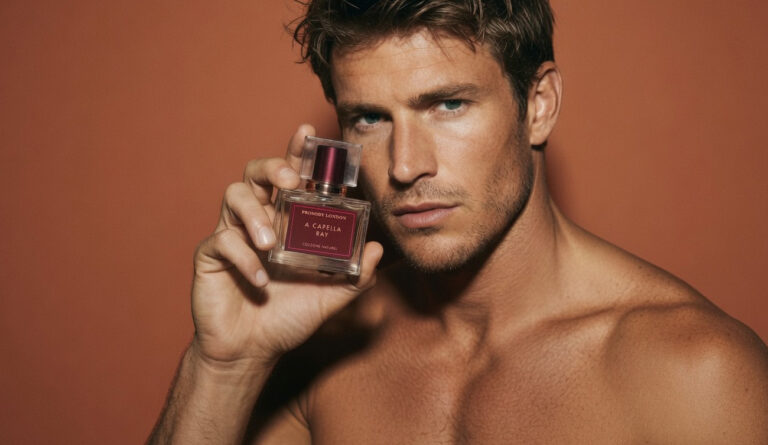
Perfume and Libido: The Science Behind Botanical Aphrodisiacs — A Working Perfumer’s View
By Kershen Teo, Founder & Perfumer, Prosody London — Updated November 2026
At a glance: can perfume boost libido?
Perfumes that boost libido are one of perfumery’s oldest promises. Fragrance can set a mood, call up a memory and change how you feel about yourself and others. But no good clinical evidence shows that wearing a perfume raises testosterone, improves fertility or treats low libido. Here is how I think about aphrodisiac perfume as a working perfumer: the notes with that reputation, what the research does and does not show, and six Prosody London fragrances I would choose for an intimate evening — for their scent, not for a medical promise.
An important distinction: “aphrodisiac” is used poetically in perfumery. It should not be confused with a clinically established effect on sexual function. Natural fragrance ingredients can also cause allergic reactions; natural does not automatically mean safer.
Why scent can feel intimate
Smell is closely tied to memory and emotion. Memories brought back by a scent tend to feel more emotional than those brought back by a picture or a sound (Herz, 2004). A perfume may remind you of a person, a place or an evening you want to revisit, or become part of a private ritual: dressing for dinner, slowing down, feeling more like yourself. These experiences are personal. A scent one person finds irresistible may leave another unmoved.
Researchers have measured how particular aromas affect mood and the body under controlled conditions, and it pays to read what was actually measured. In a study often cited for jasmine, 40 volunteers had jasmine oil applied to the skin and reported feeling more alert and less relaxed, with faster breathing and higher blood pressure (Hongratanaworakit, 2010). The “arousal” the author describes is general alertness, not sexual arousal. Studies like this are small and short and use concentrated oils; they are not evidence that a finished perfume increases libido, testosterone or fertility.
Fragrance can still play a part in attraction, though not quite in the way “aphrodisiac” suggests. In a double-blind study at the University of Liverpool, men given a fragranced spray felt more confident, and women rated them as more attractive in video clips but not in still photographs — which points to a change in the men’s behaviour rather than the scent working on its own (Roberts et al., 2009).
Seven botanical aphrodisiacs in perfumery: reputation and reality
These are the notes most often called aphrodisiac. Each earns its place in a sensual composition through how it smells; none needs a medical claim. Read more about each material in our natural perfume ingredients guide.
Jasmine — floral richness
Jasmine is lush, luminous and faintly indolic; the indole gives it a warm, almost skin-like depth. Its aphrodisiac reputation is largely cultural — jasmine garlands at weddings in parts of India, jasmine among the flower-tipped arrows of Kama. There is no evidence that wearing jasmine raises testosterone. More in our jasmine grandiflorum guide.
Clary sage — aromatic warmth
Clary sage is herbaceous and tea-like, with a soft, ambery warmth as it dries down. A small study of 22 menopausal women found lower cortisol after they inhaled clary sage oil (Lee et al., 2014), but that says nothing about male hormonal health, or about a cologne worn on the skin.
Sandalwood — creamy woods
Sandalwood is soft, creamy and milky, and binds florals, resins and gourmand notes together. In a small study, sandalwood oil applied to the skin — with masks so volunteers could not smell it — left people physiologically calmer but feeling more alert (Hongratanaworakit et al., 2004). Nothing in the research supports claims about erectile dysfunction. I use it for its texture, and for how close and warm it wears.
Ylang-ylang — luminous floral warmth
Ylang-ylang has a creamy, custard-like richness with a spicy edge. In a small inhalation study it lowered blood pressure and pulse while volunteers felt more attentive; the authors called the effect “harmonising” (Hongratanaworakit and Buchbauer, 2004). That is a long way from increasing desire, but it is a beautiful material for a romantic floral.
Ambrette seed — botanical musk
Ambrette seed is the natural perfumer’s musk: soft and skin-like, with a faint pear-and-wine facet, and no animal material involved. It is not a human pheromone; decades of research have not identified a confirmed human sex pheromone at all (Wyatt, 2015).
Labdanum — warm resin
Labdanum, the resin of the cistus or rockrose, gives an ambery, leathery warmth that makes a fragrance feel enveloping. That sensory impression is reason enough to love it; it is not evidence of a therapeutic effect.
Vetiver — earthy composure
Vetiver brings dry earth, roots and a smoky-woody structure. It makes a composition feel poised and grounded, with no need to claim that it alters anything else.
What about synthetic musks and phthalates?
Research into some fragrance materials raises questions about environmental persistence, exposure and possible biological effects. But findings from animal experiments, laboratory tests or environmental monitoring cannot simply be turned into claims that wearing mainstream perfume causes infertility. Different phthalates have different properties and restrictions; diethyl phthalate should not be treated as interchangeable with the more tightly restricted phthalates. The presence of a synthetic aroma material does not, on its own, establish harm.
At Prosody London I compose with 100% plant-derived aromatic ingredients and natural isolates, without synthetic aroma chemicals, synthetic musks or phthalates. That is a formulation philosophy, not a promise of better hormonal health or an absence of allergens. For more detail, read our guide to endocrine disruptors in perfume.
Why do you wear perfume?
Choose the one reason that matters most to you.
How readers voted
Help us understand these results better.
Would you tell us your age group and gender? It’s optional, anonymous, and takes a few seconds.
What is your age group?
Optional: it helps us see how tastes differ by age.
Optional · No email required
What is your gender?
Optional · No email required
Thank you.
Your answers help us understand what fragrance lovers really think.
Six sensual botanical fragrances from Prosody London
These are my own compositions, chosen for their texture and the mood they create — not clinical products or an independent ranking. Four are eaux de parfum and two are colognes, and all six can be worn by anyone.
Mocha Muscari — gourmand warmth
Eau de parfum · gourmand, woody, amber. Coffee CO2, coconut and lavender open Mocha Muscari, with a rum accord, ginger and black pepper for spark. Jasmine and linden blossom lift the heart before vanilla, agarwood, sandalwood and patchouli settle into a chocolate-like warmth that never turns sugary. For an evening in, when you want something close and comforting with a little darkness to it.

Ocean Commotion — sea air and woods
Cologne · fresh, green, woody. An ozonic accord and green grass give Ocean Commotion the feel of salt air on a rocky shore; seaweed and clary sage add a mineral, aromatic heart, and oakmoss and agarwood a darker, woody depth. Fresh without being simply citrus — for a summer evening outdoors, or for anyone who finds sweeter fragrances too much. Contains oakmoss.

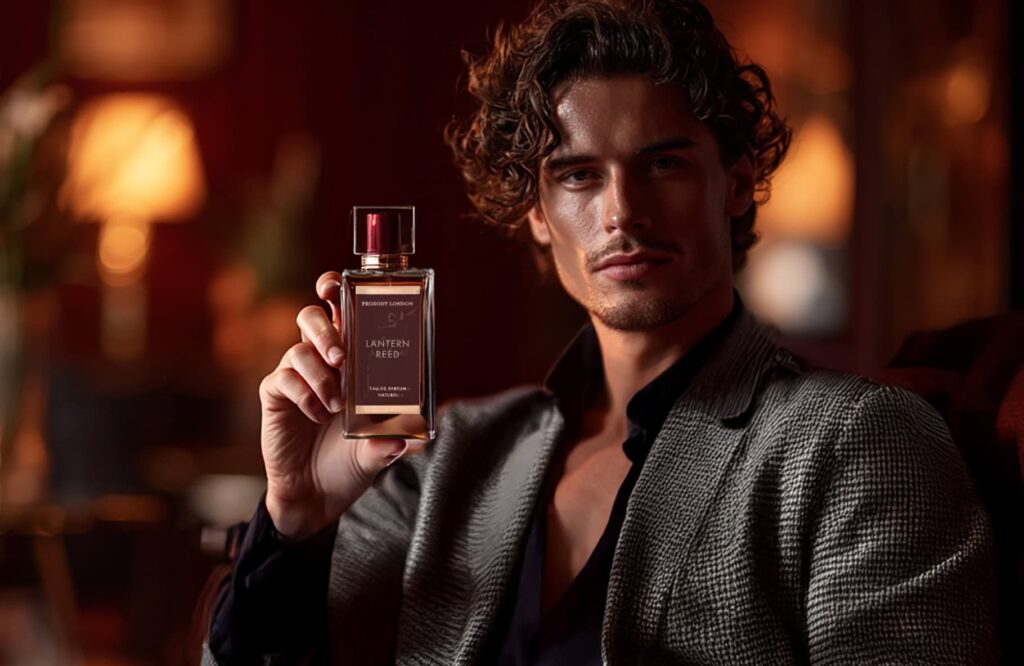
Lantern Reed — citrus and resin
Eau de parfum · citrus, woody. Grapefruit, bergamot and myrtle open onto rose, clary sage and orris, and Lantern Reed settles into vetiver, vanilla, myrrh and agarwood. It was inspired by a riverbank at dusk: luminous at first, then quiet and warm. A fragrance for dinner that lasts into the night without raising its voice.
Jacinth Jonquil — expressive florals
Eau de parfum · floral, green, powdery. Green hyacinth and soft jonquil accords open Jacinth Jonquil into a rich heart of jasmine sambac, jasmine grandiflorum CO2, ylang ylang and rose, with apricot, grape and peach accords adding a juicy glow. Vanilla, patchouli, ambrette and styrax give it depth. The most openly floral of the six and the one with the most jasmine: heady, romantic and quite unashamed about it.

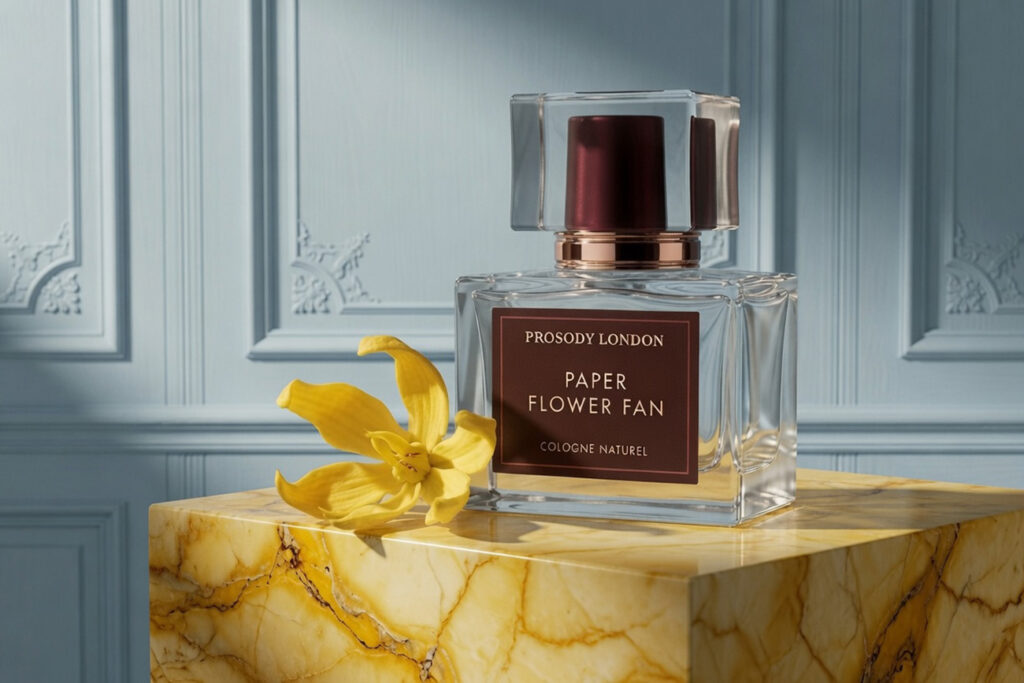
Paper Flower Fan — light floral citrus
Cologne · citrus, floral. Lime, lemon and mandarin open Paper Flower Fan with a freesia accord and neroli; creamy ylang ylang and a hint of clove warm the heart, and cabreuva, ambrette seed and vanilla soften the finish. Bright at first and intimate later — a light way to wear a romantic floral, by day or on a warm evening.
Santal Foy — creamy sandalwood
Eau de parfum · woody, gourmand, floral. A velvety coconut opening and earthy carrot seed lead into rose, opoponax and tonka, before sandalwood, vanilla, myrrh and vetiver give Santal Foy its creamy, lactonic warmth. Close and reassuring rather than loud: the one to wear when you will be near someone.

The best way to choose is on your own skin. Our Build Your Own 6 x 2ml Discovery Set lets you try all six before committing to a bottle.
Can a perfume make someone more attracted to you?
There is no universally irresistible scent. Personal associations, the wearer’s preferences and the context of an encounter all matter. If you are choosing a fragrance for a date, wear something that feels comfortable and authentic, and apply it with consideration for those around you. For a closer look at attraction claims, read Do Pheromones in Perfume Actually Work? For picks by occasion, see our best sexy perfume for men and our guide to natural perfume for women.
A perfumer’s final thought
I think perfume is at its most seductive when it feels personal rather than performative. Jasmine, sandalwood, ambrette, vetiver and resins can create real intimacy in a composition. They do not need a medical claim to justify their beauty.
Perfume and libido: FAQ
Can perfume really increase libido?
Not directly, as far as the evidence goes: no good clinical study shows that wearing a perfume increases libido. Scent can shape mood, memory and confidence, though, and a fragrance you love can become part of how you set the scene for an intimate evening.
Which perfume notes are traditionally considered aphrodisiacs?
Jasmine, ylang-ylang, sandalwood, vetiver, clary sage, labdanum and ambrette seed are the classic examples, along with rose, vanilla and musk. Their reputation comes from culture, tradition and how they smell — warm, rich and skin-like — rather than from proven effects on sexual function.
Does jasmine increase testosterone?
There is no evidence that wearing jasmine perfume raises testosterone. Studies of jasmine oil have measured things like alertness, breathing and blood pressure in small groups of volunteers, which is not the same thing.
Can fragrance influence attraction?
It can play a part. In one double-blind study, men using a fragranced product felt more confident and were rated more attractive on video, probably because their behaviour changed. There is no universally irresistible scent and no confirmed human sex pheromone.
Are natural perfumes safer than synthetic perfumes?
Not automatically. Natural extracts contain fragrance allergens such as linalool, limonene and geraniol, and some people react to them. Choosing botanical perfume is a matter of preference and formulation philosophy, not a guarantee of safety, so patch test first if you have sensitive skin.