Floral Perfume: A Working Perfumer’s Guide to Real Flowers
By Kershen Teo, Founder & Perfumer, Prosody London — Updated November 2026
Where my love of floral perfume began
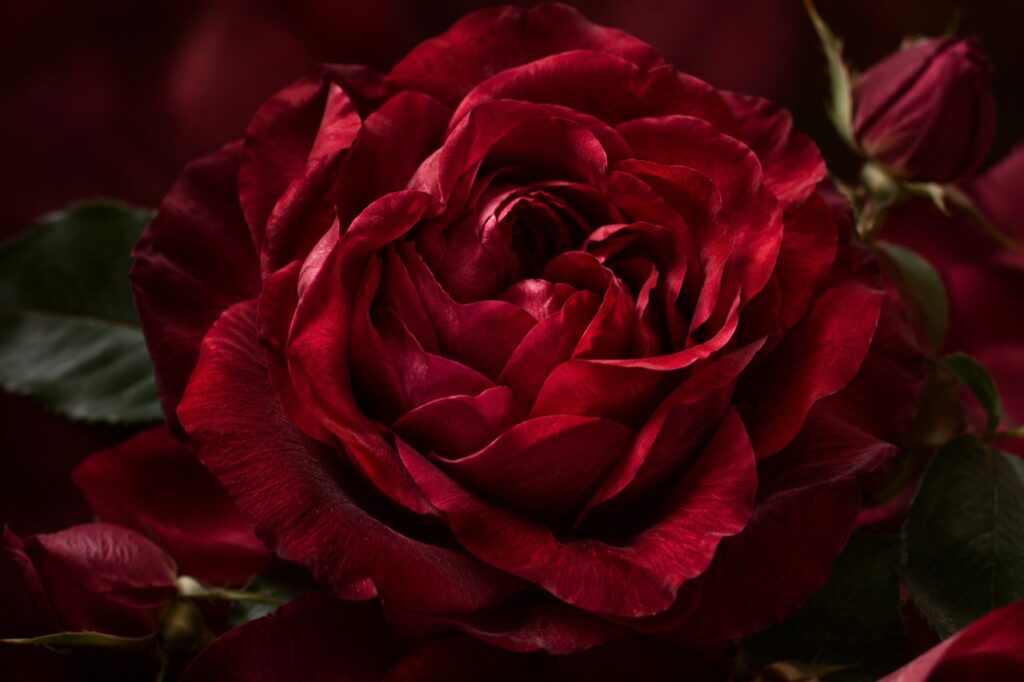
Rose was the flower that made me want to make perfume. Walking around Regent’s Park, I would stop and smell every rose, and I began to notice how different they were. Some were myrrh-like, some smelled like Turkish delight. Some had a metallic quality, some a sharpness, some a citrus brightness, and a few were almost powdery. Some felt fruity, others jammy.
I found the roses in Regent’s Park most fragrant in May and June, before the summer sun got too hot, particularly in the morning as the sun came out. Later in the year, I found their scent less intense.
Standing among them, I realised that if a single flower could be described in so many ways, perfume had to be the art form best placed to bring that complexity out of nature and into a bottle.
At a Glance — Floral Perfume
| Question | Short answer |
|---|---|
| What does floral perfume smell like? | Anything from green and freshly cut to powdery, jammy or richly heady. What surrounds the flower shapes it as much as the flower does. |
| Which flowers matter most? | Rose, jasmine, orange blossom and neroli, with mimosa and linden blossom widening the range. |
| Is every floral note a flower extract? | No. Flowers such as lily of the valley, freesia, hyacinth and jonquil are built as accords from other materials. |
| Is floral perfume only for women? | No. Men regularly buy our Rose Rondeaux and Jacinth Jonquil, where woods and patchouli sit alongside the flowers. |
| How should I choose one? | Wear it on skin over a few hours, and compare two or three side by side. |
| Our floral perfumes | Jacinth Jonquil, Rose Rondeaux, Lissom Linden and Neroli Nuance, plus four natural colognes, all compared below. |
What does floral perfume smell like?
Floral perfume can smell freshly cut and green, powdery, honeyed or almost animalic. A flower surrounded by citrus smells quite different from the same flower surrounded by patchouli and resins. That is why the word floral alone tells you relatively little about a perfume.
The materials behind floral perfume
Rose
When I work with rose, I have several approaches available to me. I can use rose absolute, rose CO₂ or natural isolates to create the impression of a full rose. I don’t think you need to commit to one particular strategy. All three have their place, and I think it is important to remain flexible as a perfumer. Much depends on the kind of rose you want to create.
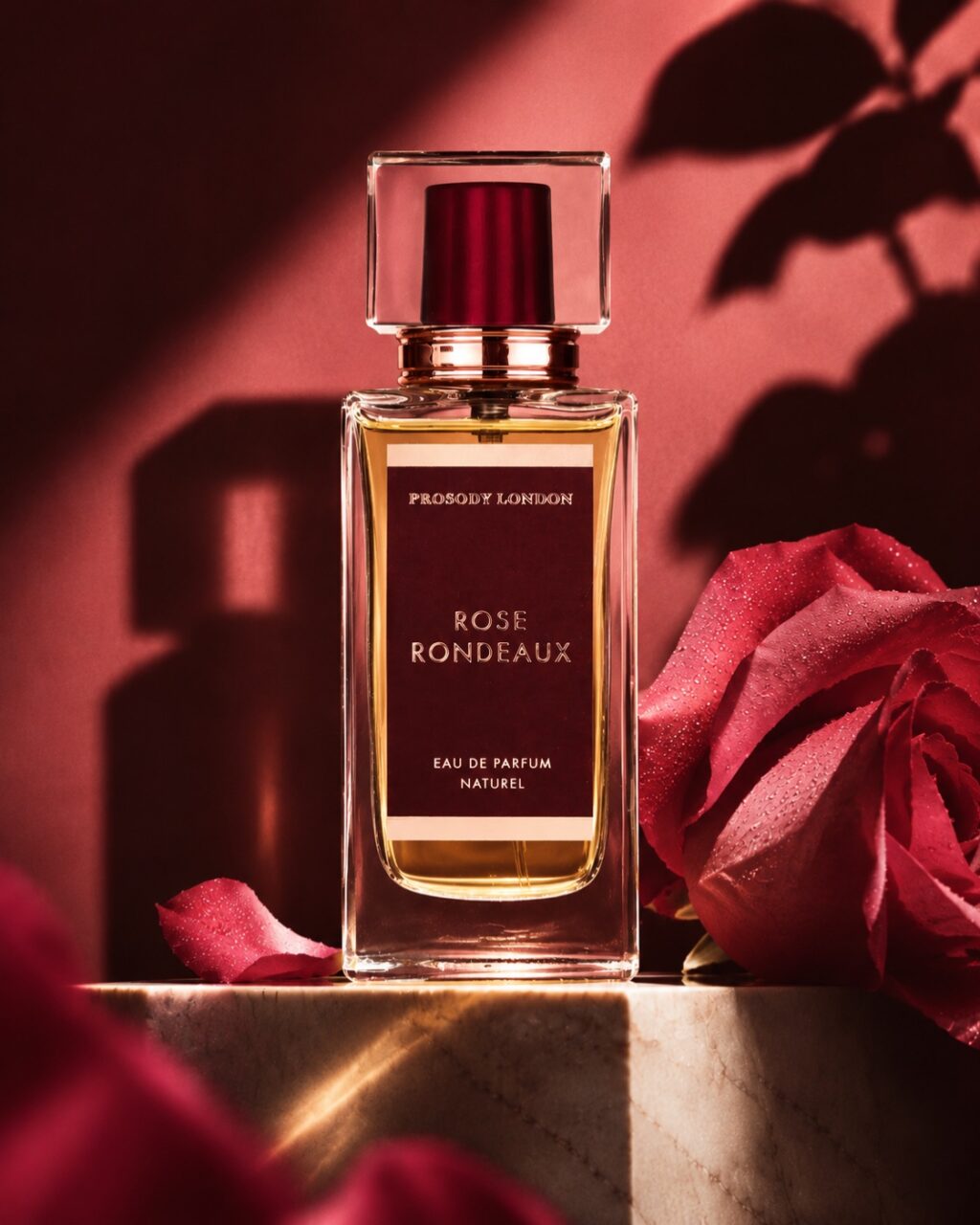
That is why I have made three roses. You can make a rose spicy: Rose Rondeaux opens with pink pepper, black pepper and coriander seed, with rose and geranium at its heart and labdanum, vanilla and resins in the base.
You can make it watery and crystal-like: Trevi Rose, a natural cologne, came from the fountains of Rome, with lime sparkling against the rose and clove, linden blossom and guaiac wood beneath.

Or you can make rose one voice in a bouquet, which is what it is in Bebop Allure, where it meets neroli after a green opening of green apple accord, lime and celery seed.

Jasmine
Jasmine absolute can bring a luminous, fruity and occasionally indolic character. That richer aspect helps explain why floral perfumes need not smell polite or conventionally feminine.
The biggest mistake you can make with jasmine is to overdose it. Jasmine is very expensive, but fortunately, you don’t have to use very much to create the impression of jasmine. It is immensely intense and very diffusive. A little goes a long way.
What I particularly love about jasmine is its ability to soften many of the top and heart notes. It is a beautiful blender and can floralise the whole perfume. Sometimes I use a tiny amount purely for that purpose, rather than to create a recognisable jasmine note.
You don’t necessarily have to smell jasmine distinctly for it to be doing something wonderful in a composition. With jasmine, less is often more.
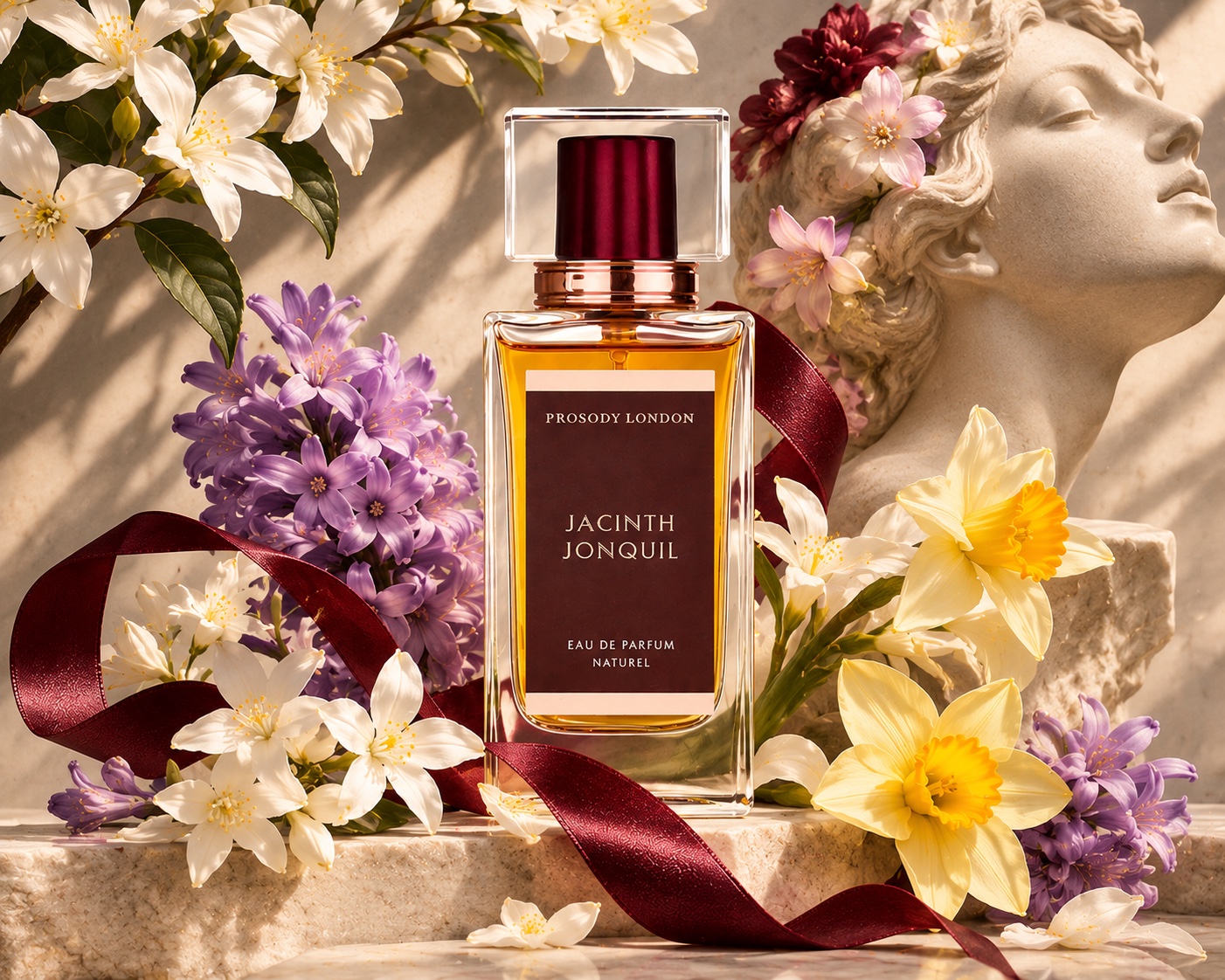
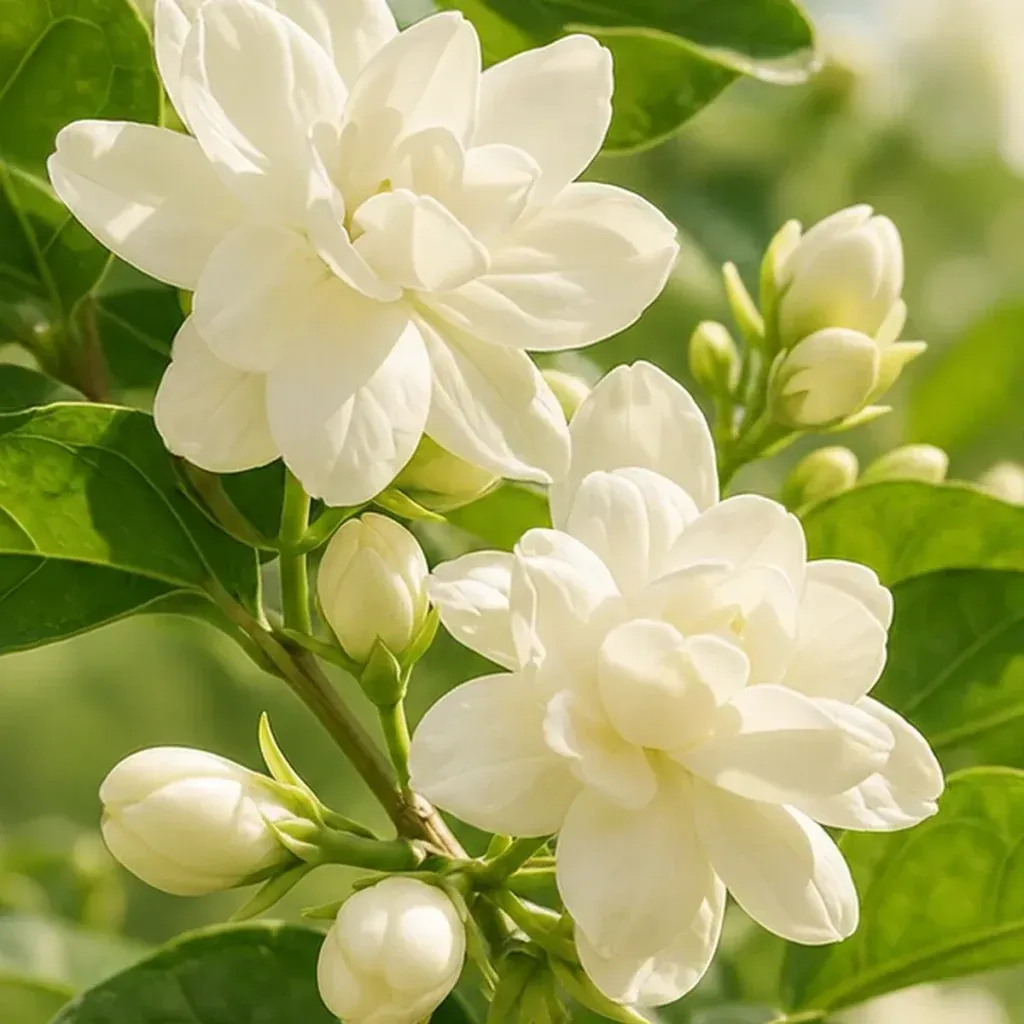
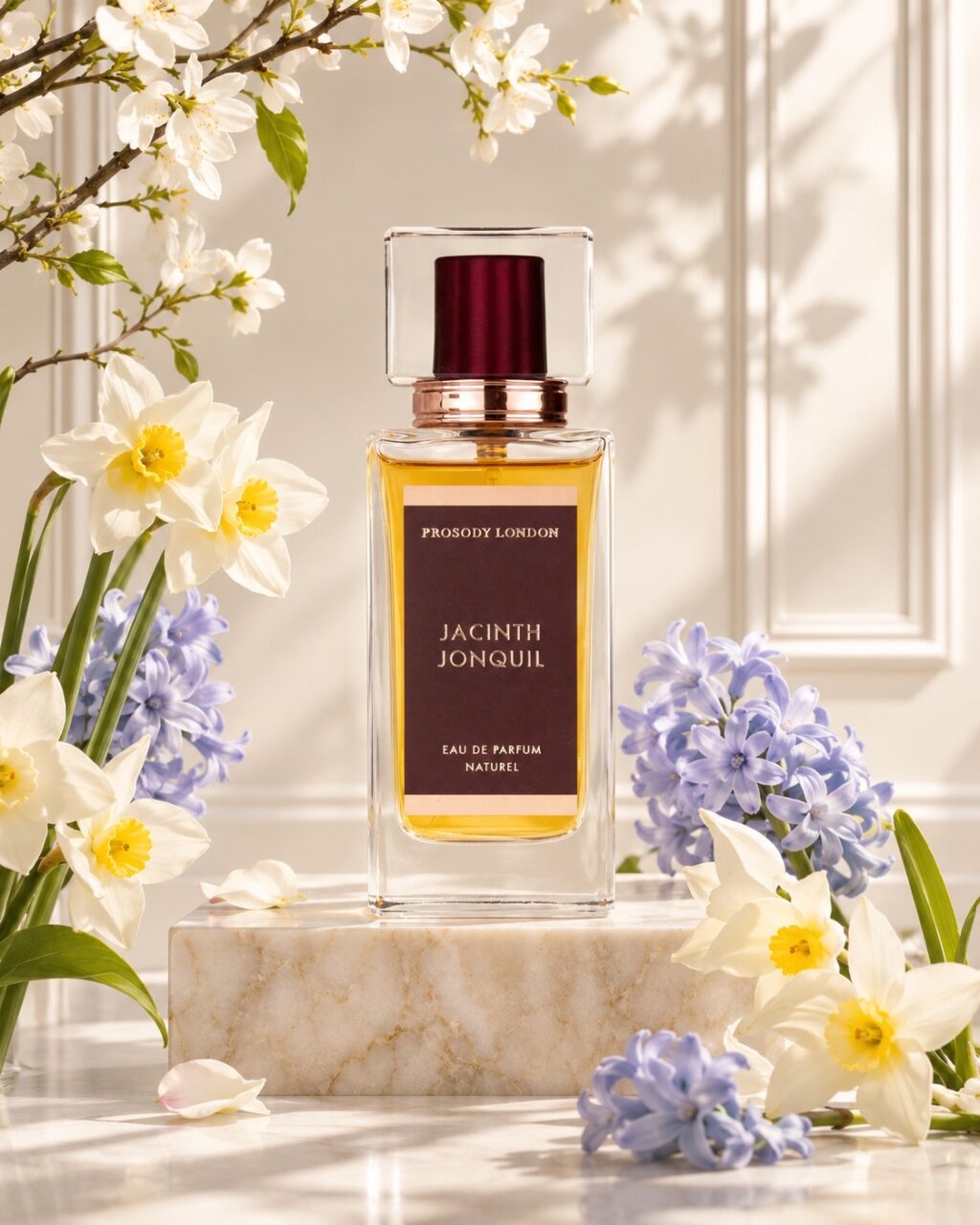
Jacinth Jonquil uses two jasmines: jasmine sambac in the opening and jasmine grandiflorum CO₂ in the heart, alongside ylang ylang and accords of hyacinth and jonquil. It opens fresh and green, like cut spring flowers, and softens into a powdery, gently sweet warmth.
Orange blossom and neroli
Bitter orange flowers offer two notably different perfumery materials: distilled neroli oil and solvent-extracted orange blossom absolute. Both can smell floral, but the former often feels greener and brighter.
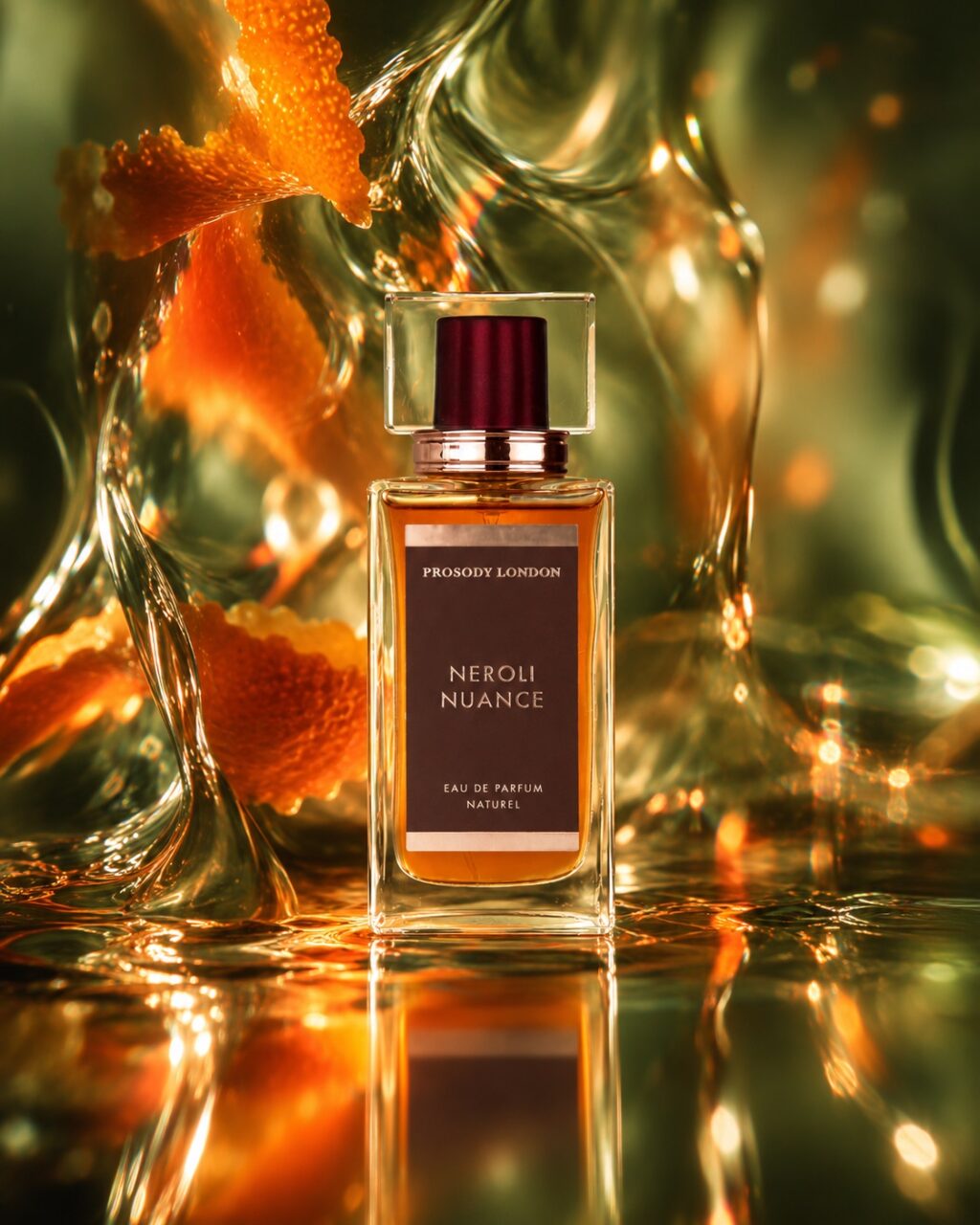
Neroli Nuance uses both. Neroli brightens the opening with green mandarin and blood orange; orange blossom absolute and jasmine sambac CO₂ form the heart, over a base of Peru balsam, labdanum, vanilla and benzoin.

Mimosa and linden
Mimosa is a very delicate thing, and the absolute isn’t terribly powerful. You need other ideas to support it. The challenge is to smell it in your head, to see it in your head, and to bring that impression into the perfume.
I used to have a mimosa tree in my garden, but it grew too big and eventually I had to cut it down. For several springs, though, I enjoyed its fragrance, cutting the flowers and putting them in a vase in the house. I have a very vivid recollection of what mimosa smells like.
Sometimes, when you make a perfume, what you are really doing is making a statement about your feelings when you first smelled something. It is about the experience of the flower, your emotional response to it and even your impression of its colour. With mimosa, I remember those beautiful yellow pom-poms.
Sometimes I try to express a fragrance in visual terms and then translate that visual impression back into scent. I might smell something and see an image in my head, make a few scribbles or a drawing, and then return to the aromatic materials. The drawing might suggest something that I hadn’t considered in the composition.
It is a continual process of going back and forth between the visual and the olfactory. Sometimes I see an image through a scent; sometimes I discover a scent through an image. Each informs the other, and the perfume gradually takes shape through this iterative process.
So, for me, creating a mimosa perfume is not simply about reproducing the smell of the flower. It is also about expressing how I remember seeing, smelling and experiencing it.
Linden blossom, by contrast, may feel airy, honeyed and green.
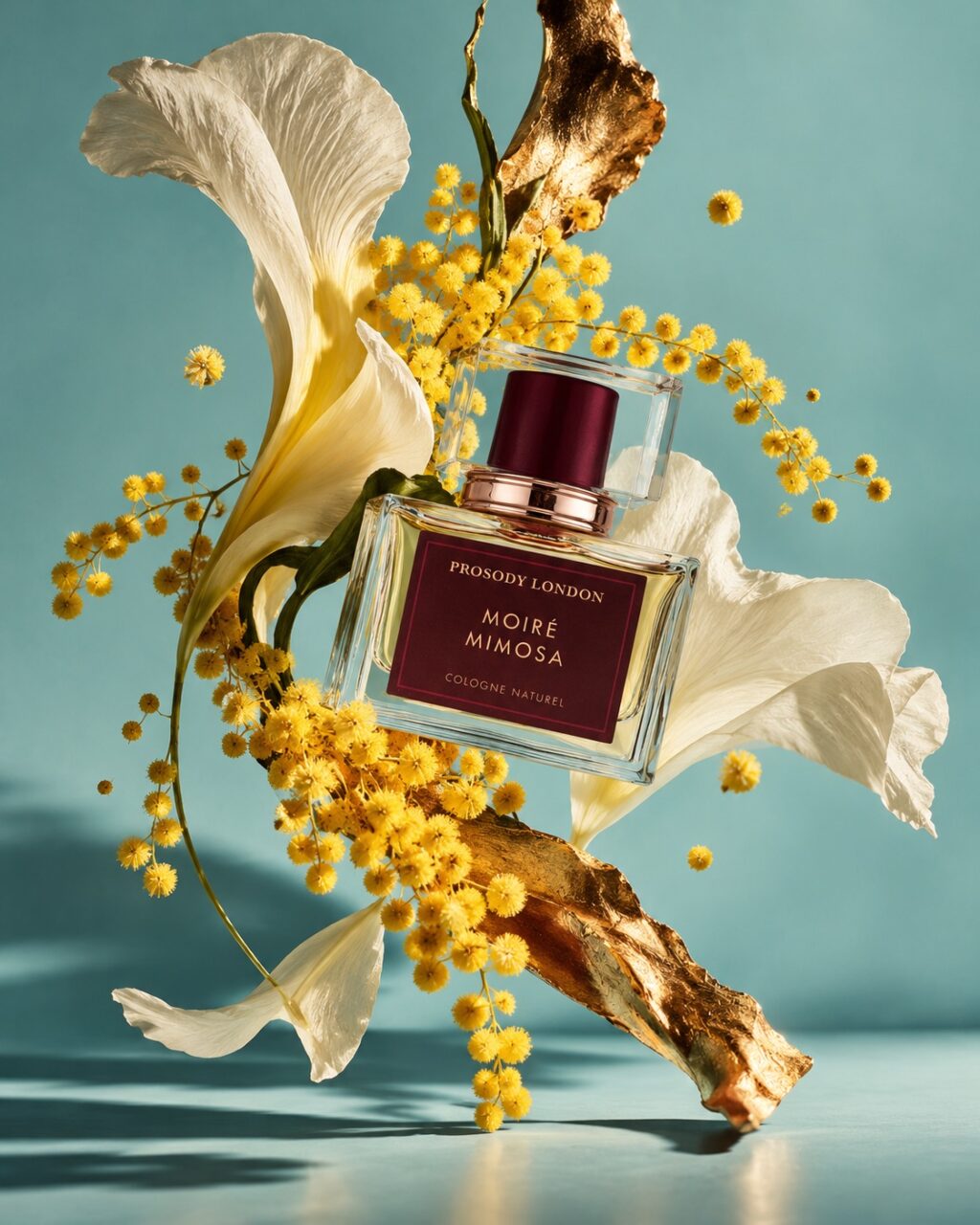
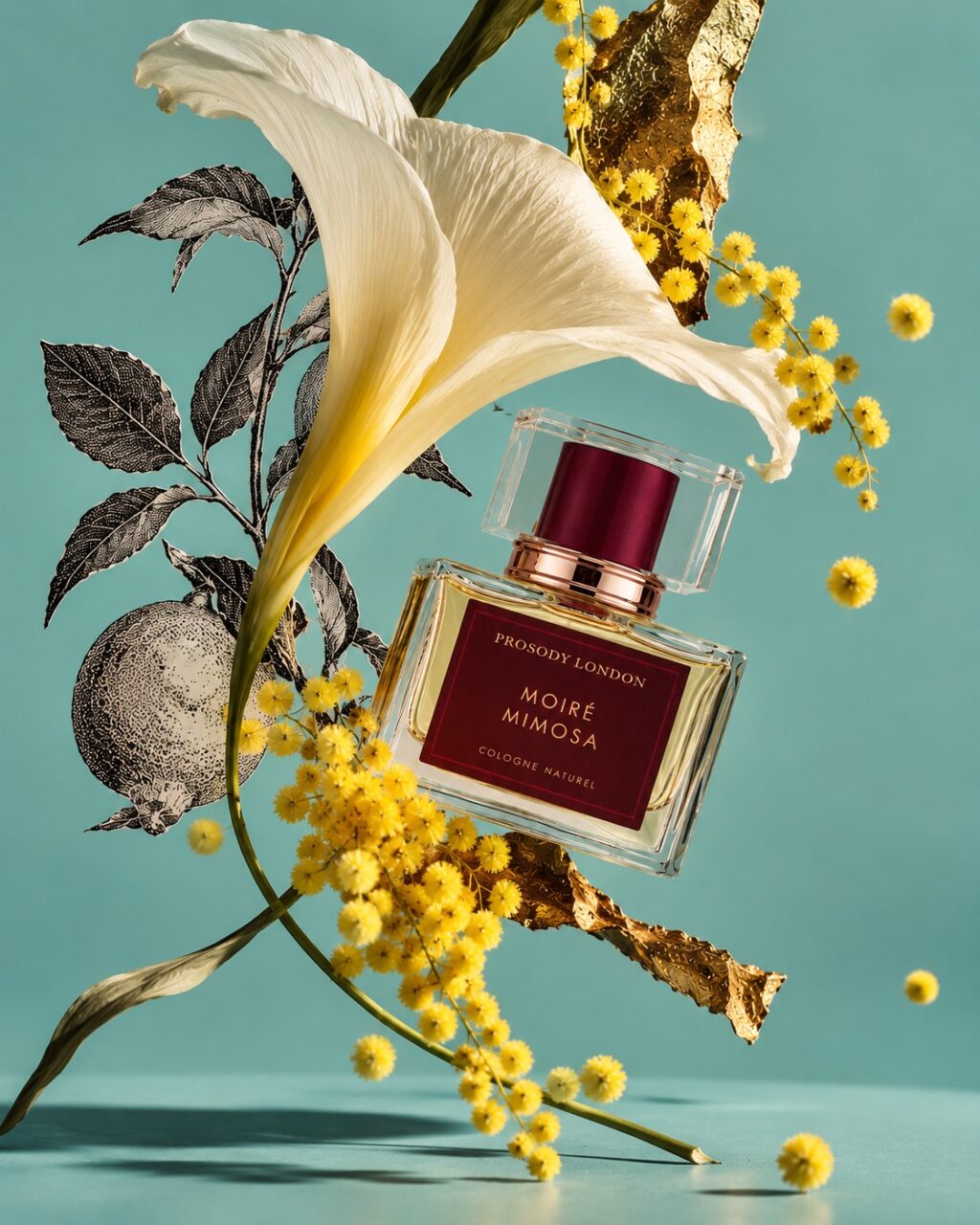
Moiré Mimosa, a natural cologne, is built around mimosa absolute, smoothed with coconut and a melon accord and finished with ambrette seed and vanilla.

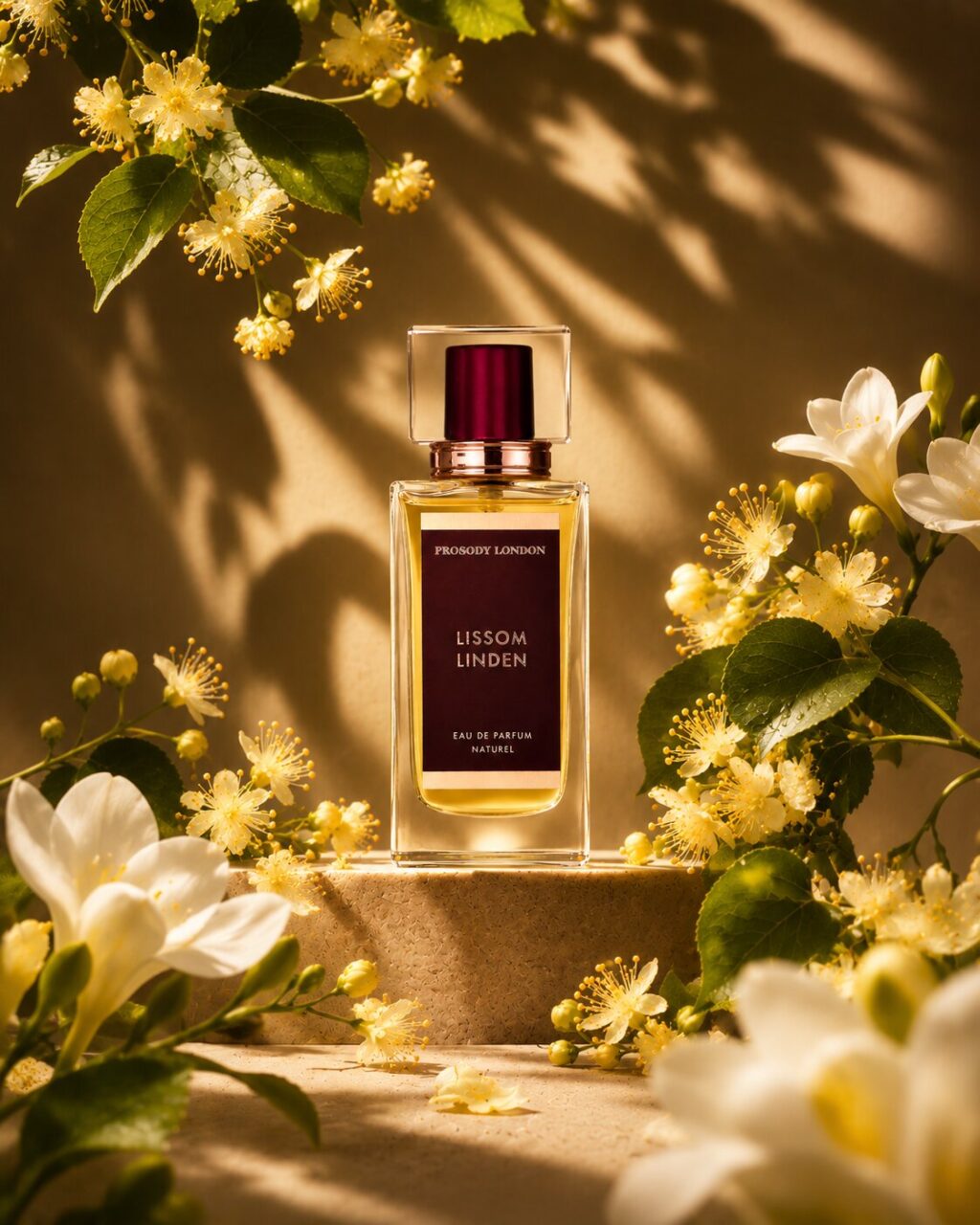
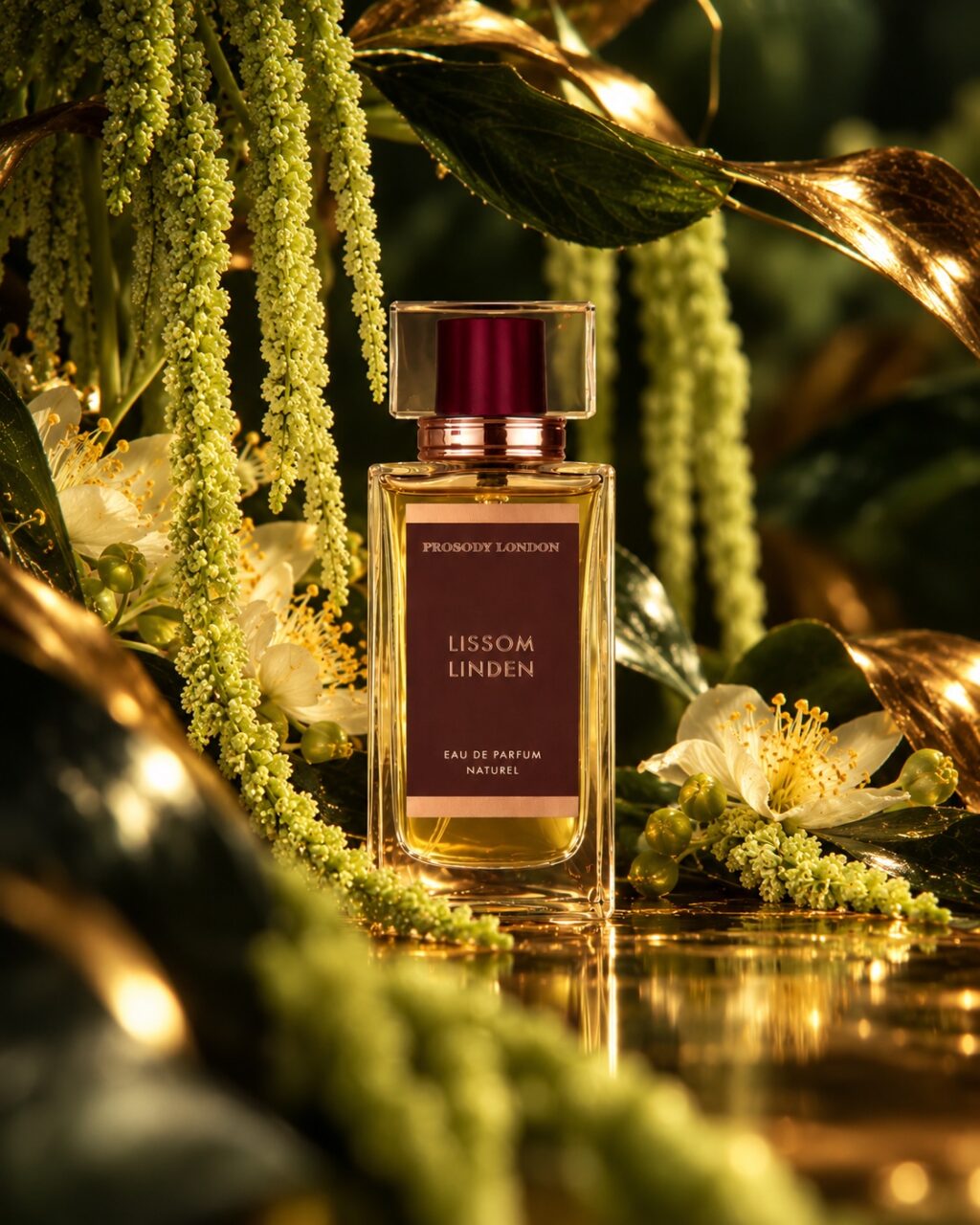
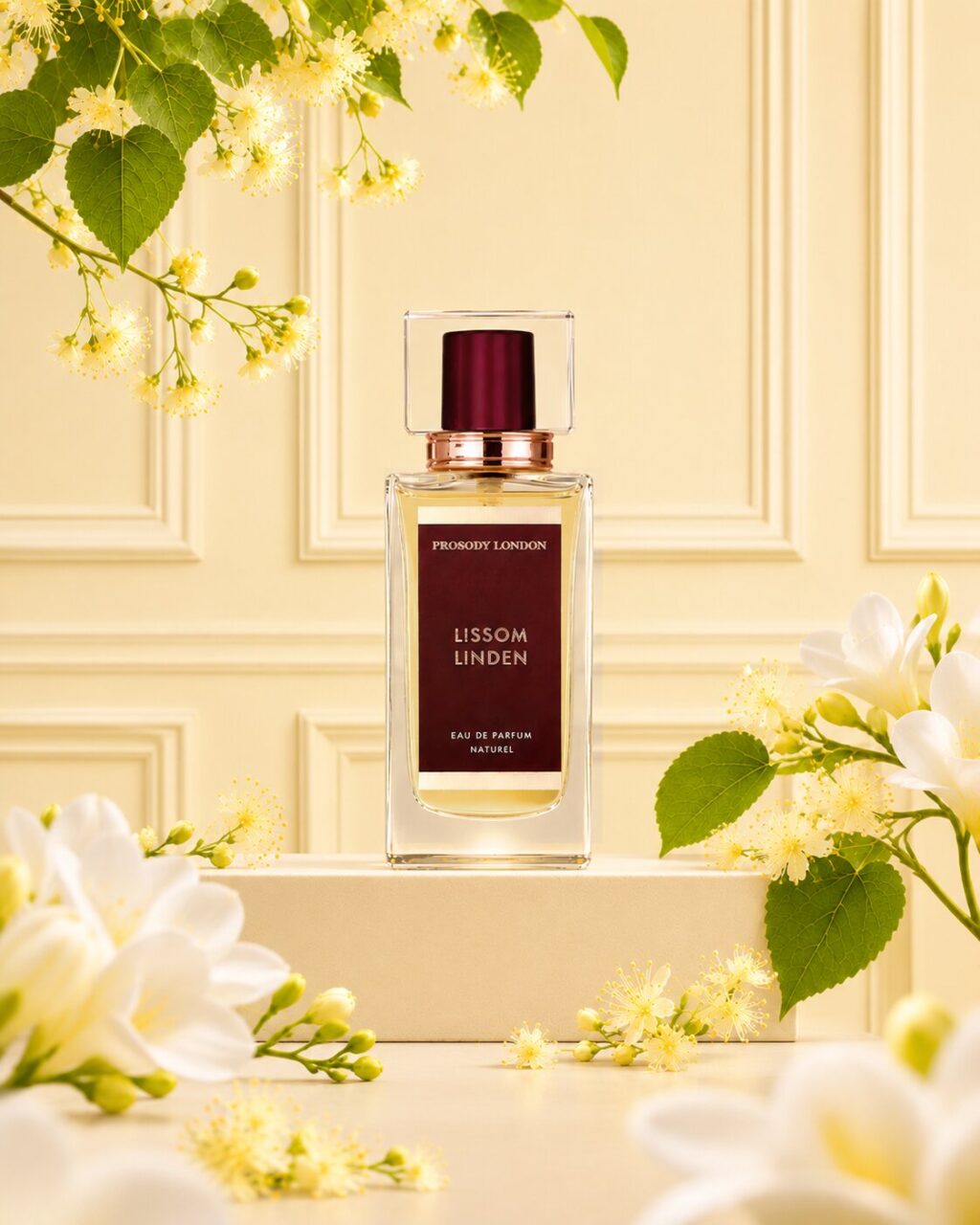
Lissom Linden is built around linden blossom, with rose and chamomile in the heart and a bright opening of bergamot, lemon, lime, neroli and green jasmine tea.
Which style of perfume do you love most?
Choose the fragrance family you’re most drawn to.
How readers voted
Help us understand these results better.
Would you tell us your age group and gender? It’s optional, anonymous, and takes a few seconds.
What is your age group?
Optional: it helps us see how tastes differ by age.
Optional · No email required
What is your gender?
Optional · No email required
Thank you.
Your answers help us understand what fragrance lovers really think.
Natural materials and reconstructed accords
Natural floral materials are not simply copies of synthetic floral accords. They are complex extracts with distinctive minor facets. Equally, not every floral note comes from a flower extract: lily of the valley, for example, is generally represented through an accord rather than a commercially practical natural extract.
This is where the creativity of natural perfumery comes in. I work with smelling strips, putting materials together and asking what image comes to mind. A little ylang ylang, a little jasmine CO₂, and suddenly what I see is a daffodil. That is how Jacinth Jonquil found its daffodil and hyacinth: not from a single extract, but from an image built out of other materials.
Good materials are part of it. The best absolutes are hard to find, and when I find a good one I am very pleased. Jasmine CO₂ and rose CO₂ are especially difficult to source. Natural isolates help: they can heighten the roseness of a rose, or the character of jasmine or mimosa, and add another dimension.
Some floral notes are recreated rather than extracted. Although natural jonquil and narcissus absolutes exist, I chose to build my own interpretation. Freesia in Paper Flower Fan, and hyacinth and jonquil in Jacinth Jonquil, are accords. On our product pages they are marked °, because they are built from natural isolates rather than taken from a single flower.
A perfumer’s approach to choosing floral perfume
Start with the smell rather than the marketing category. Test the opening on a blotter, then on skin. Return to it after thirty minutes and again later in the day: the heart and base often tell a different story from the first spray. Ask whether you prefer freshness or warmth, a close-to-skin impression or a more pronounced trail, and whether the scent develops in a way you enjoy.
A note pyramid is a useful guide, but it is not an ingredient declaration. The presence of a named botanical note does not, by itself, prove that the finished perfume contains an extract of that plant. Equally, an all-botanical perfume should be assessed on its actual aroma and formulation, not on a claim that natural is inherently safer or always longer-lasting.
Floral perfume at Prosody London
For Prosody, a floral perfume is most interesting when the flower has room to interact with woods, citrus, resins and herbs. I am not interested in sickly sweet florals, which is the commercial tendency. Mine are mixed with woods and earthy materials such as patchouli, so they can be spicy or woody as well as floral. These are the floral perfumes I make, and the flowers at the heart of each.
| Perfume | Type | Floral heart | Character |
|---|---|---|---|
| Jacinth Jonquil | Eau de parfum | Jasmine, ylang ylang, hyacinth and jonquil accords | Green, bright, then powdery |
| Rose Rondeaux | Eau de parfum | Rose, geranium | Fruity, softly spiced rose |
| Lissom Linden | Eau de parfum | Linden blossom, rose, chamomile | Fresh, green and honeyed |
| Neroli Nuance | Eau de parfum | Neroli, orange blossom absolute, jasmine sambac | Citrus floral over warm resins |
| Moiré Mimosa | Natural cologne | Mimosa absolute, neroli, tuberose accord | Soft and powdery |
| Trevi Rose | Natural cologne | Rose, linden blossom | Woody, spiced rose |
| Bebop Allure | Natural cologne | Rose, neroli | Green floral |
| Paper Flower Fan | Natural cologne | Freesia accord, neroli, ylang ylang | Bright citrus floral |
Reviewing Jacinth Jonquil for CaFleureBon, Lauryn Beer called it “the most life-like daffodil note I’ve encountered in perfumery”.
Over the years I have watched who these perfumes find. Men buy Rose Rondeaux and Jacinth Jonquil. Many women love Neroli Nuance because it is light and evokes the Mediterranean. Some customers have worn Jacinth Jonquil or Neroli Nuance on their wedding day, and people have asked whether we could make Lissom Linden into a soap.
Prosody London formulates with plant-derived aromatic materials and organic grain alcohol. We use no added water or synthetic fragrance ingredients. Readers can explore individual ingredients through the natural perfume ingredients library and compare fragrances before choosing a sample.
Would you switch to a 100% natural perfume if it smelled just as good as your current fragrance?
How readers voted
Help us understand these results better.
Would you tell us your age group and gender? It’s optional, anonymous, and takes a few seconds.
What is your age group?
Optional: it helps us see how tastes differ by age.
Optional · No email required
What is your gender?
Optional · No email required
Thank you.
Your answers help us understand what fragrance lovers really think.
How to wear and sample floral perfume
I wear all my floral perfumes in rotation, on skin and on clothes. If you scent clothes, try a hidden patch of fabric first. My favourite is Jacinth Jonquil: fruity, spicy and complex, with patchouli balancing the flowers, and on me it lasts well.
Try a small amount on clean, dry skin without layering it immediately with another scented product. Smell it at intervals rather than continuously; olfactory adaptation can make a fragrance seem to disappear even while others still perceive it. If you are comparing two fragrances, wear them on separate wrists and allow each to develop.
Discover your own favourite floral perfume
Flowers can express themselves so differently in perfume. I would encourage you to try several compositions on your skin before deciding which one you connect with most.
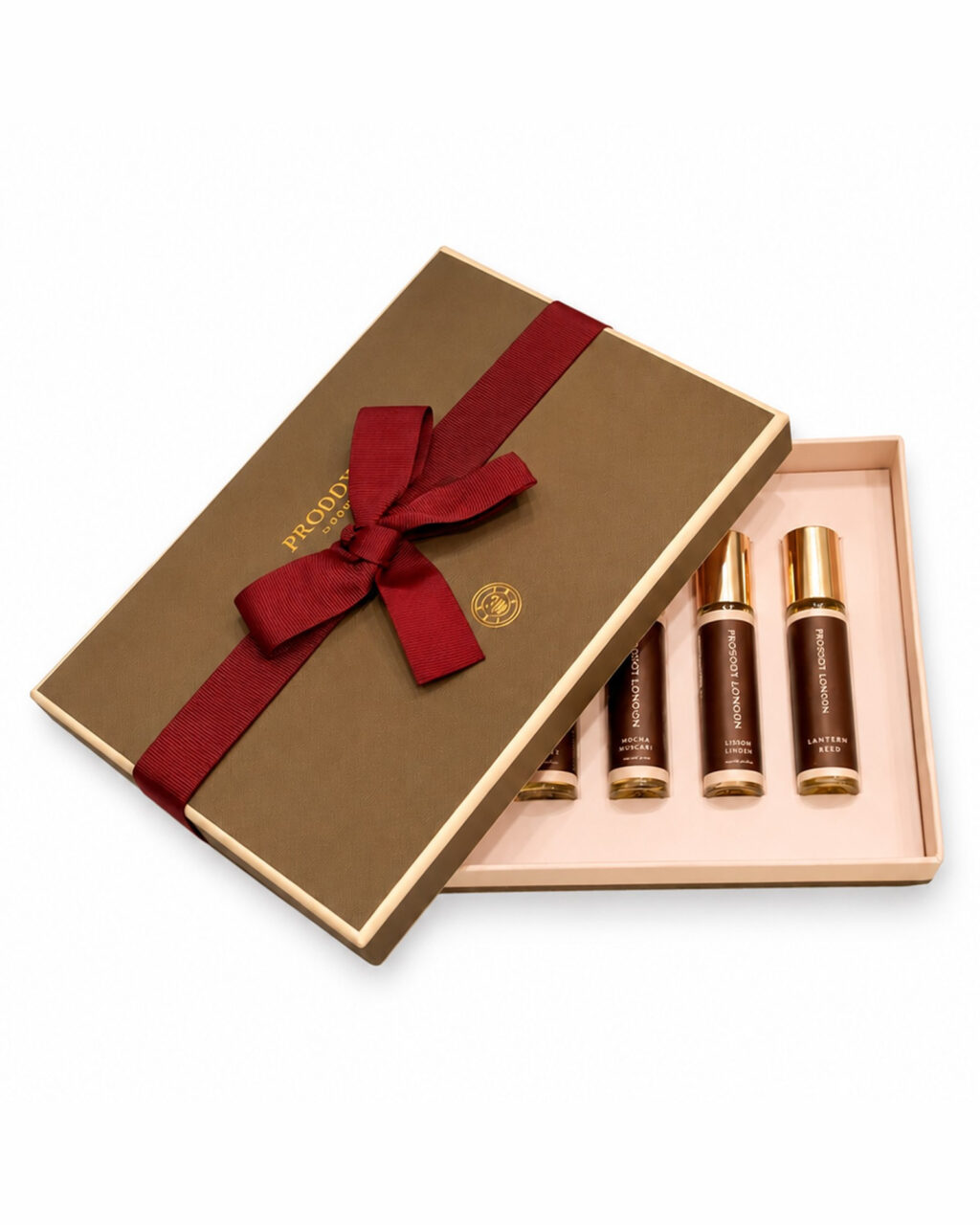
Our Floral EDP Sample Set (4 × 2ml) brings together four of my floral creations: Jacinth Jonquil, Rose Rondeaux, Lissom Linden and Neroli Nuance. Each explores a very different expression of flowers.
If you prefer to make your own selection, our Build Your Own Discovery Set (6 × 2ml) allows you to choose six fragrances to explore at your leisure.
For those who would like to enjoy their chosen eaux de parfum for longer, our Travel Set (6 × 10ml) offers a more generous way to experience the collection.


Frequently asked questions
Is floral perfume only for women?
No. Floral ingredients have been used in fragrances across gender categories for centuries, and the surrounding woods, spices and freshness shape the overall impression. Men regularly buy our Rose Rondeaux and Jacinth Jonquil, where patchouli and woods sit alongside the flowers. For more, see my guide to floral cologne for men.
Is floral perfume always made with natural ingredients?
No. The phrase describes a scent direction, not a guaranteed ingredient origin. Check the brand’s formulation philosophy and any specific disclosures about aromatic materials.
Is floral perfume suitable for everyone?
Fragrance preference is personal and does not follow gender labels. Botanical ingredients can also contain allergens, so check the product’s required ingredient declaration and follow its usage directions.
What I look for in a floral perfume
I come back to those roses in Regent’s Park. What fascinated me was that no two seemed quite alike. When I make a floral perfume, I want to explore that complexity rather than simply reproduce the smell of a flower.