

Botanical Perfume: Ingredients, Scent Families and How to Choose
By Kershen Teo, Founder and Perfumer, Prosody London
Botanical perfume at a glance
Botanical perfume is fragrance composed from aromatic materials that come from plants: essential oils, absolutes, CO₂ extracts, resins and natural isolates. There is no single botanical smell. A botanical fragrance can be bright and citrus, green, floral, woody, resinous, gourmand or quietly musky.
- For freshness: choose citrus or green botanicals.
- For an expressive floral: look for rose, jasmine, hyacinth or linden blossom.
- For warmth: try agarwood, sandalwood, vetiver and resins.
- For something close to the skin: look for ambrette seed.
- Before buying a bottle: wear a sample for a full day. Longevity and character vary from one composition to the next.
I compose with these materials every day, and the question I am asked most is not “what is botanical perfume?” but “which one will suit me?”. This guide answers both. It starts with how to choose, then explains the natural fragrance ingredients, how they are extracted and what to expect when you wear them.
Which botanical perfume should you choose?
Start with the effect you want rather than a list of ingredients. The examples below are my own Prosody London fragrances, grouped by scent family. They are not an independent ranking of the wider market. The notes are taken from each product page.
Fresh and green: Ocean Commotion
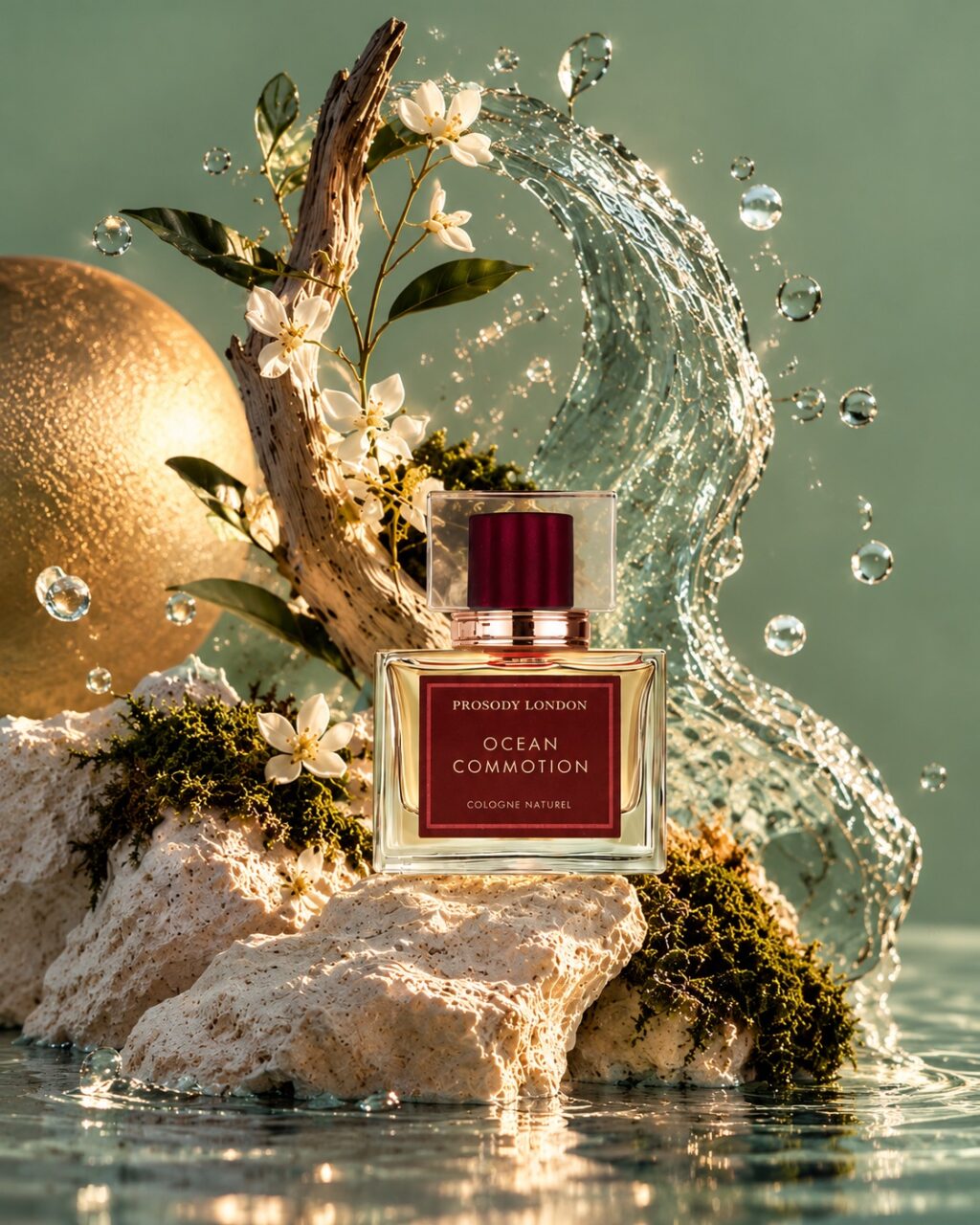
Ocean Commotion is a natural cologne built on contrast. An airy ozonic accord and a green grass accord open over seaweed and clary sage, then oakmoss and agarwood give it a darker, woody depth. It contains no citrus, so the freshness comes from green and marine facets rather than a fleeting lemon top note. Contains oakmoss.
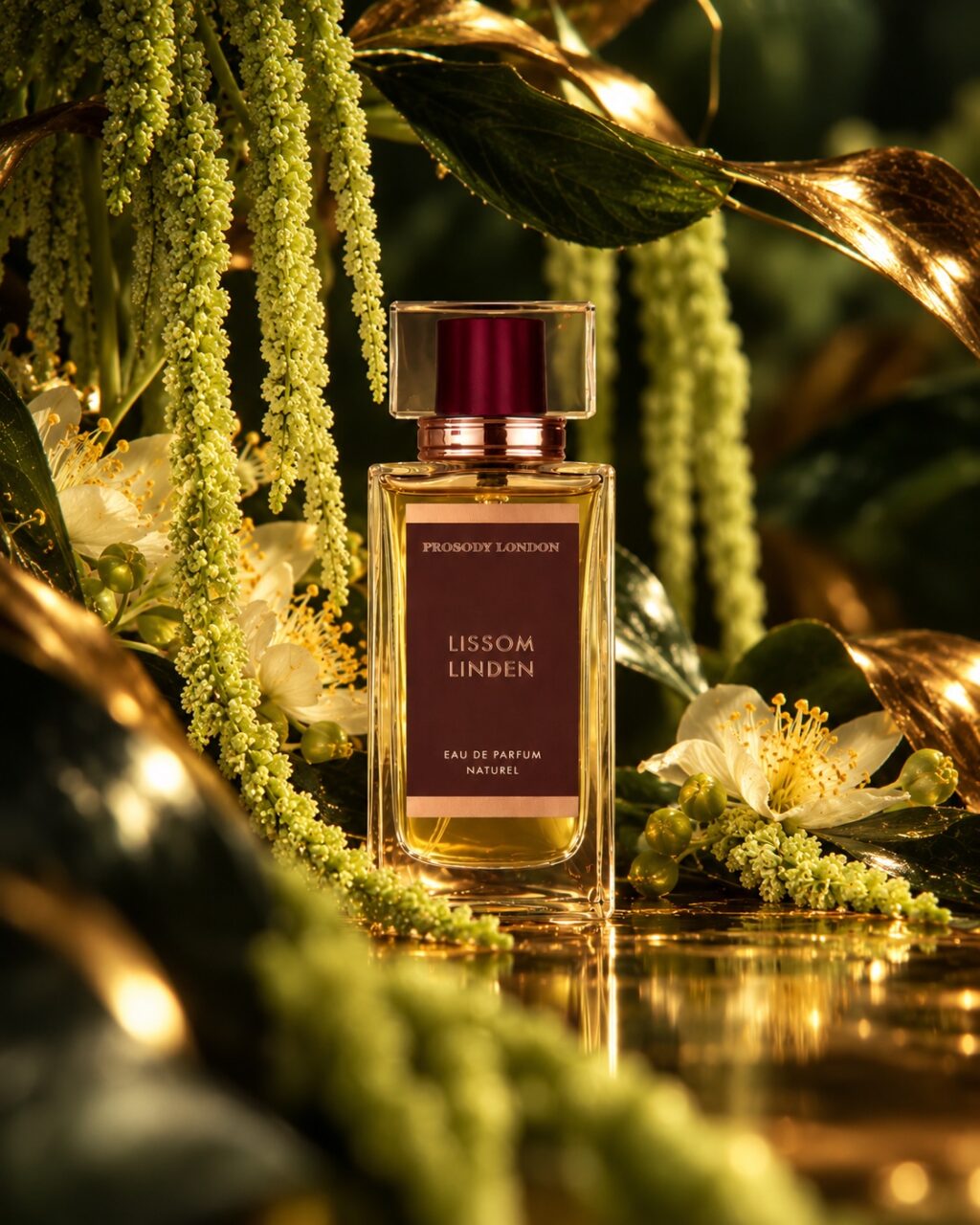
Citrus floral: Lissom Linden
Lissom Linden is an eau de parfum that opens with bergamot, lime, lemon, neroli and jasmine tea CO₂. Linden blossom, rose and chamomile form the heart, with frankincense, Atlas cedarwood and myrrh beneath. Choose it if you want brightness that lasts longer than a classic cologne.
Expressive rose: Rose Rondeaux
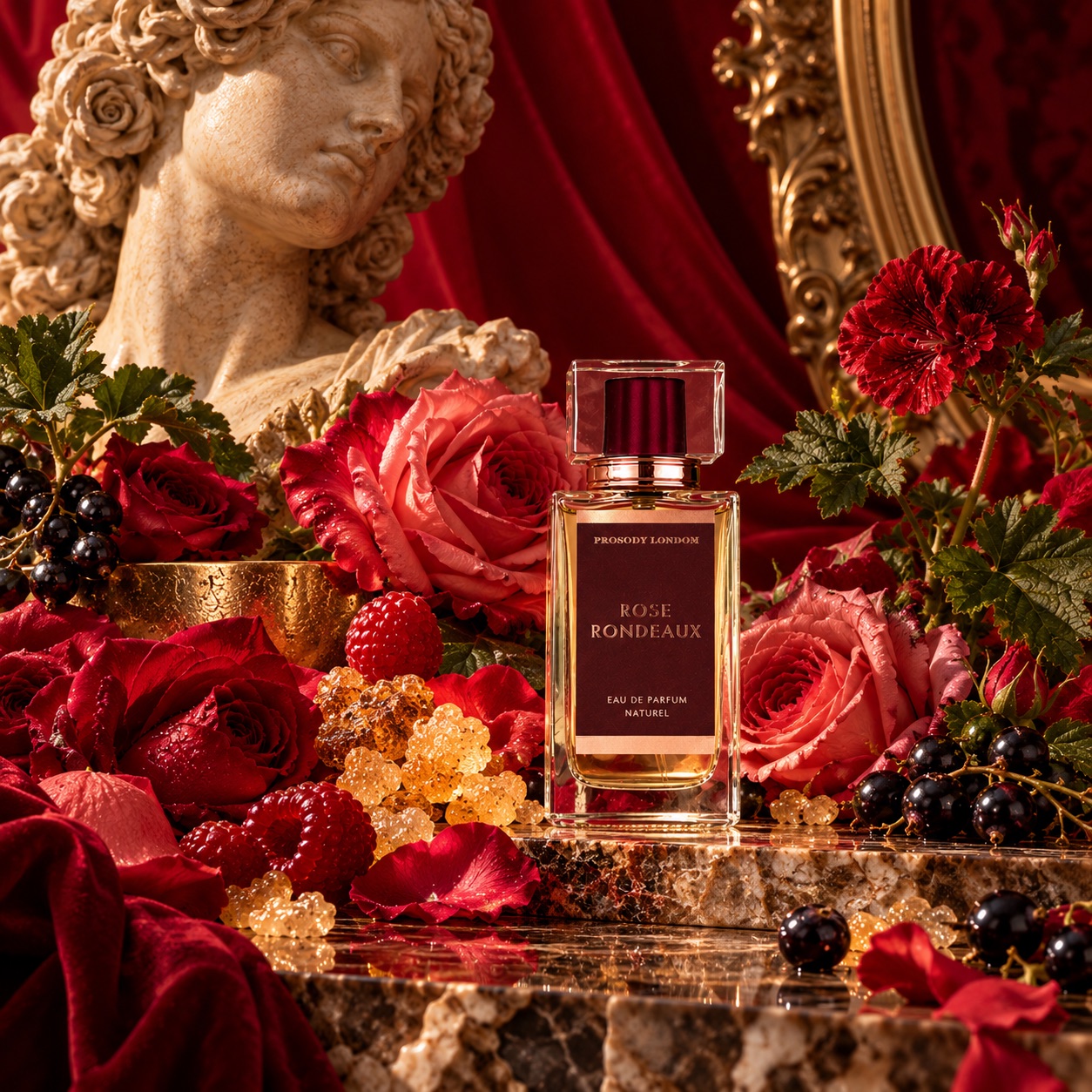
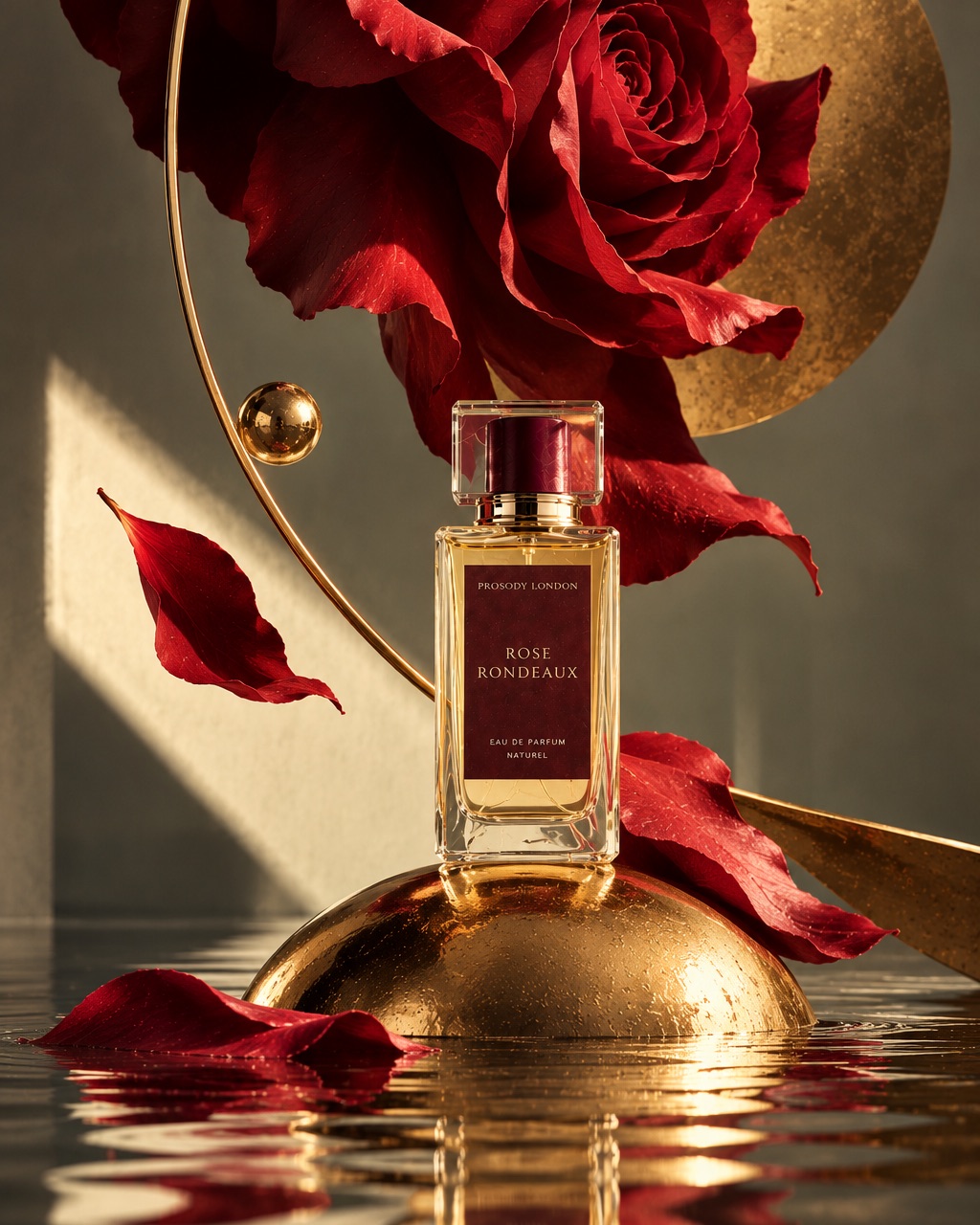
Rose Rondeaux is a fruity, woody rose eau de parfum. Pink pepper CO₂ with berry and rum accords leads into rose, geranium and bergamot, settling on labdanum, patchouli, sandalwood, vanilla and a raspberry accord.
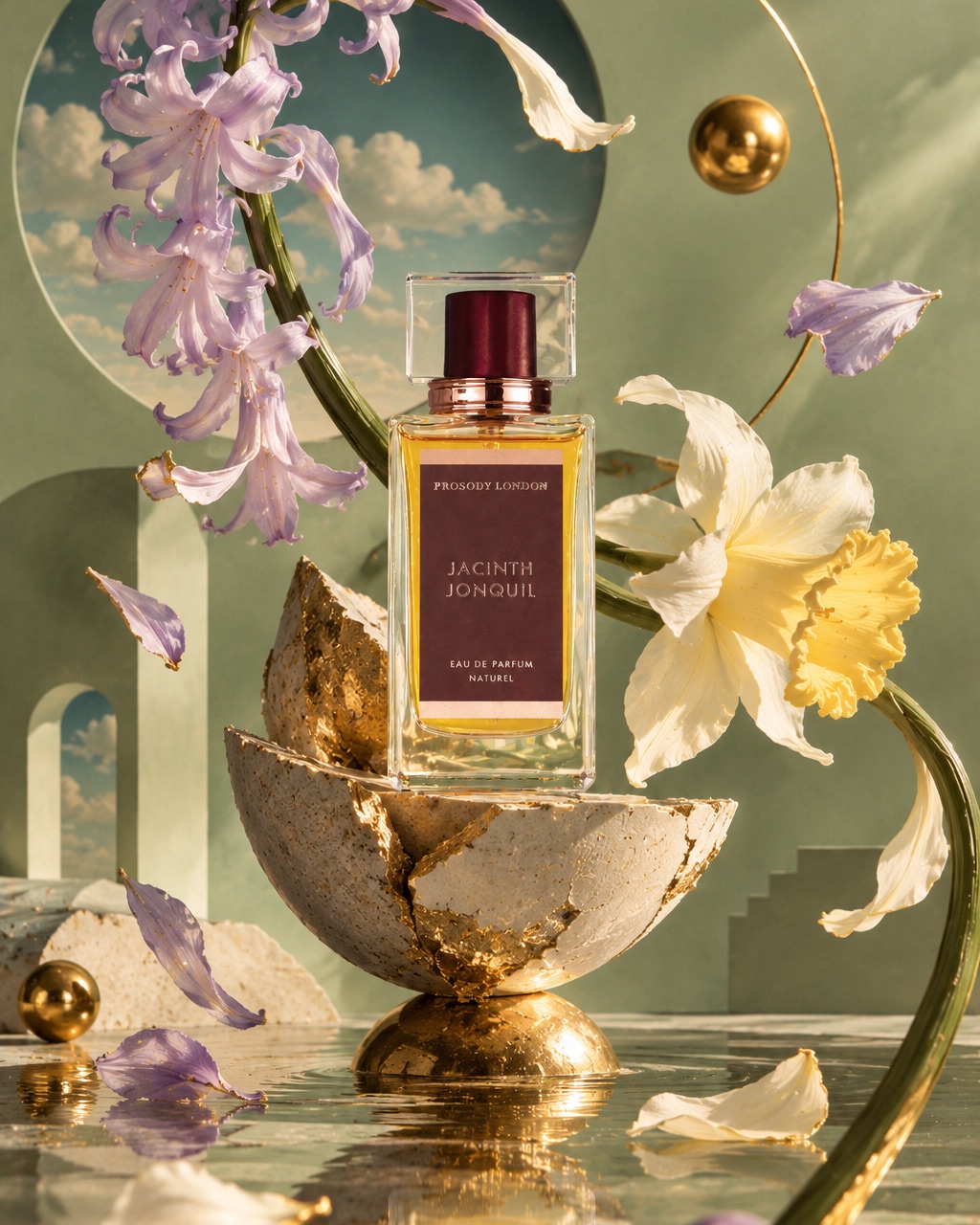
Green floral: Jacinth Jonquil
Jacinth Jonquil is a green, powdery floral eau de parfum. Hyacinth and jonquil accords, bergamot and jasmine sambac open into ylang ylang, jasmine grandiflorum CO₂ and rose, with vanilla, patchouli, ambrette seed and styrax in the base. It suits anyone who loves spring flowers but finds many florals too sweet.
Warm woods: Oud Octavo
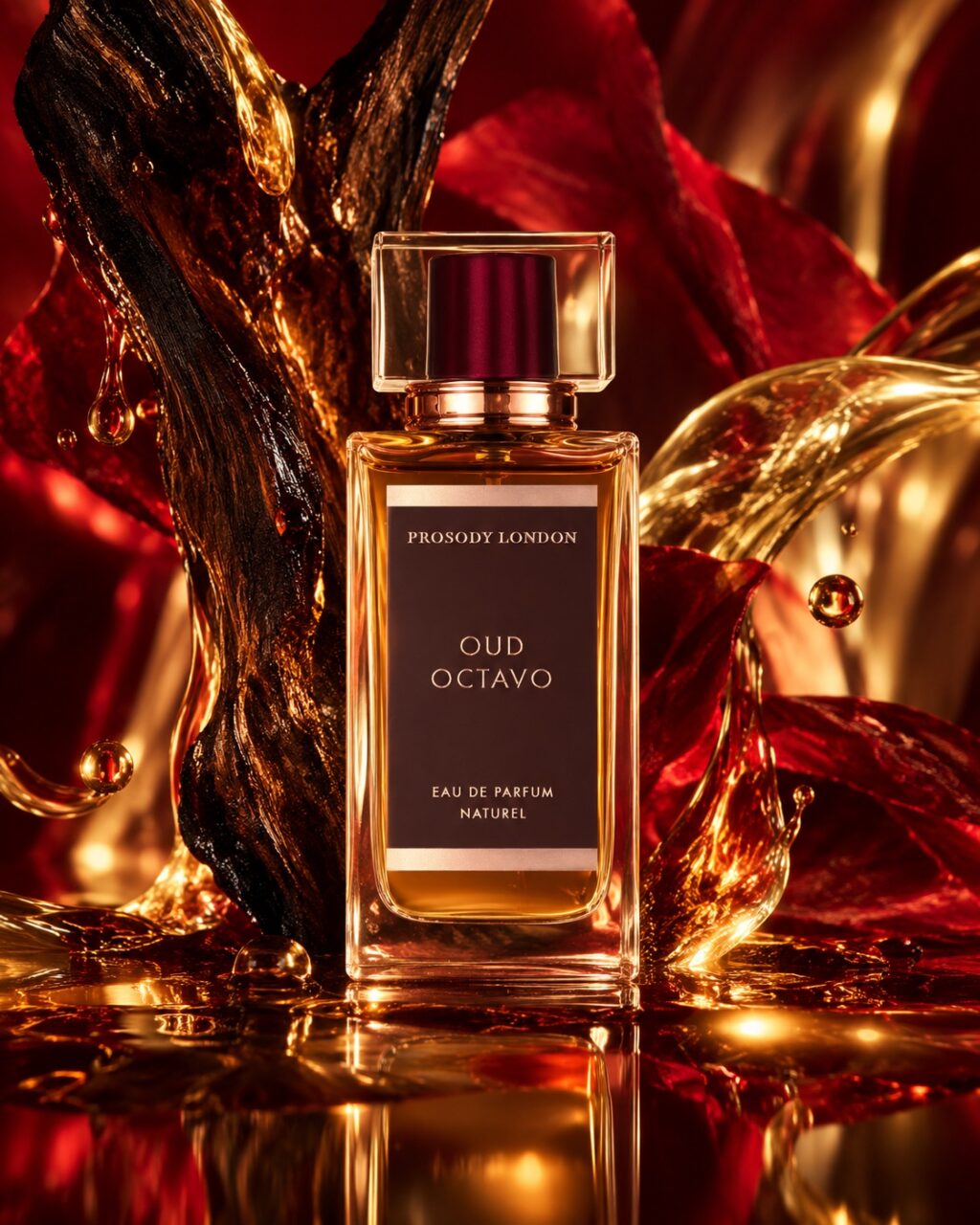
Oud Octavo is a softer, approachable take on Vietnamese black agarwood. Bergamot, coriander and ginger bring light to the opening; cedarwood, cistus and labdanum deepen it; vanilla, sandalwood, benzoin and vetiver round off the darker woods.
Soft skin scent: Carissis
Carissis is an intimate eau de parfum centred on the musk-like warmth of ambrette seed. Lavender with melon, blueberry and pear accords gives it a fresh opening, rose and violet leaf a green floral heart, and sandalwood, oakmoss and styrax a quiet woody finish that stays close to the skin. Contains oakmoss.
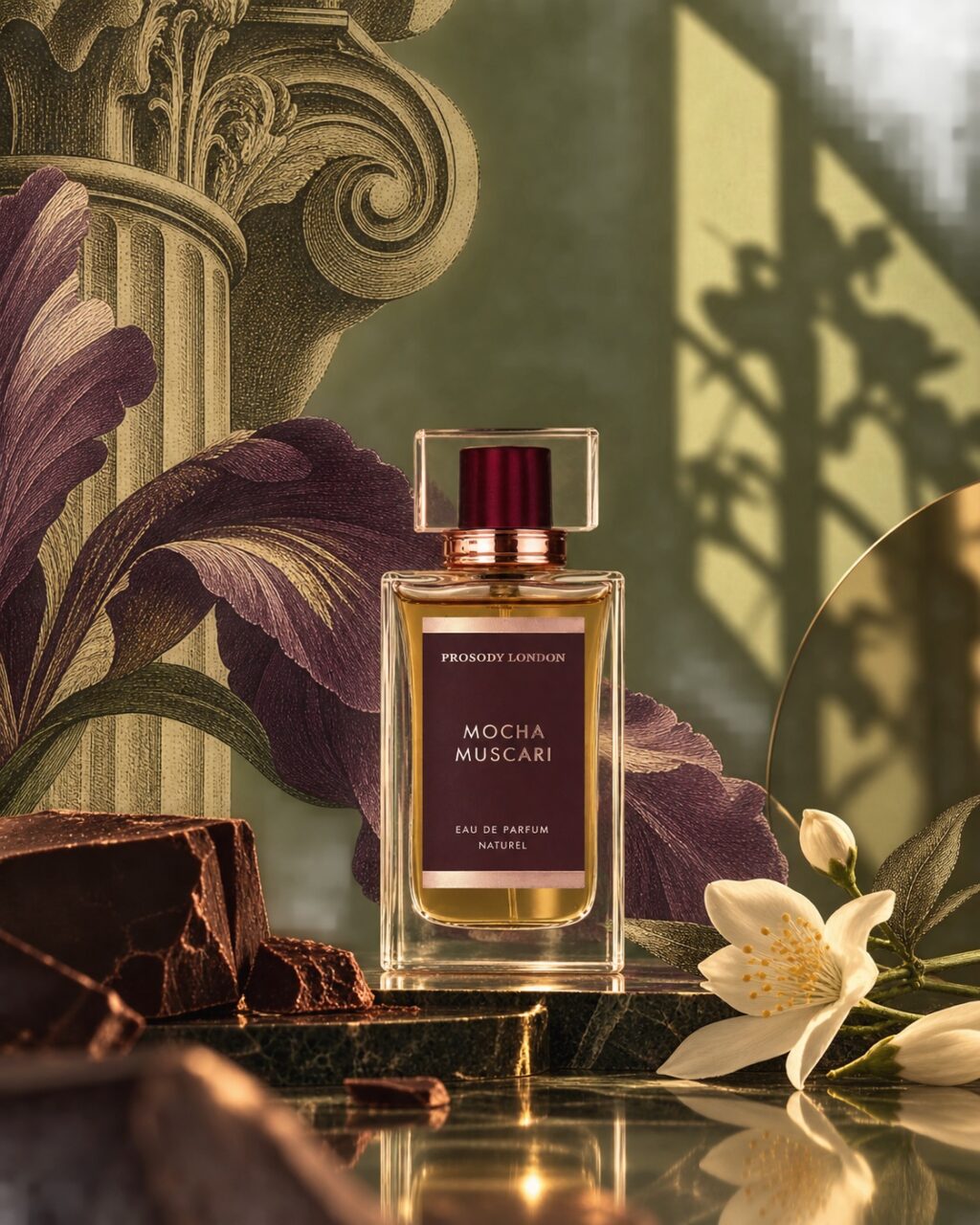
Gourmand woods: Mocha Muscari
Mocha Muscari is a gourmand eau de parfum that is chocolate-like rather than sugary. Coffee CO₂, coconut CO₂, lavender and a rum accord meet jasmine and linden blossom, before vanilla, agarwood and sandalwood settle into an earthy, ambery warmth.
Not sure yet? Most of these can be chosen as 2ml samples in the Build Your Own 6 x 2ml Discovery Set, or browse the full natural perfume collection.
What is botanical perfume?
A botanical perfume is composed from aromatic substances that originate in plants: flowers, citrus peel, leaves, seeds, roots, woods and resins. Some materials are used whole, such as an essential oil or absolute. Others are natural isolates: individual aroma molecules separated from a natural source, which let a perfumer build accords such as hyacinth or raspberry that cannot be extracted directly from the plant.
Natural isolates are not the same as nature-identical aroma chemicals. A nature-identical material has the same molecular structure as one found in nature but is made by chemical synthesis, often from petrochemical starting materials. A natural isolate is obtained from the plant source itself.
“Botanical” is a description, not a certification. On its own it does not guarantee a percentage of natural content, organic status, sustainability or suitability for sensitive skin. For the wider picture, browse our natural perfume collection and read our comparison of natural and synthetic perfume.
Why botanical composition is demanding
- Natural materials vary with harvest, climate and origin, so each batch has to be assessed by nose.
- Yields can be tiny: thousands of flowers are needed for a small quantity of rose or jasmine.
- Each extract is itself a complex mixture, so balancing dozens of them takes time.
- Balance and longevity have to be achieved without synthetic fixatives.
Botanical fragrance ingredients: the seven families
Natural fragrance ingredients fall into families that behave differently on the skin. Knowing which family you enjoy is the quickest way to narrow down a botanical perfume. You can explore individual materials in more depth in the Prosody London ingredient library.

1. Citrus
Citrus oils usually form the opening of a fragrance. They are bright and immediate but among the most volatile materials, so they fade first.
| Material | Character in perfume |
|---|---|
| Bergamot | Fresh, slightly floral citrus with a subtle bitterness; a classic top note |
| Lemon and lime | Crisp and sharp; lime is tarter and greener |
| Mandarin and blood orange | Softer, juicier, rounded citrus |
| Grapefruit | Sparkling and slightly bitter |
| Petitgrain | Distilled from bitter orange leaves and twigs; green, woody citrus |
2. Floral
Florals often define a perfume’s character, and they include some of the most labour-intensive materials in perfumery. Rose feels very different from jasmine, mimosa or orange blossom: try Rose Rondeaux for rose, Jacinth Jonquil for a green floral or Moiré Mimosa for a soft, powdery mimosa cologne.
| Material | Character in perfume |
|---|---|
| Rose (otto and absolute) | Honeyed, green and spicy; otto is distilled, absolute is richer and jammier |
| Jasmine (grandiflorum and sambac) | Intense, creamy and slightly indolic; sambac is greener and fruitier |
| Neroli and orange blossom | Neroli is distilled and fresh; orange blossom absolute is warmer and honeyed |
| Ylang ylang | Creamy, tropical and slightly spicy |
| Linden blossom and mimosa | Airy, honeyed and powdery |
3. Green, herbal and aromatic
Herbs and leaves add freshness and structure, and often bridge a citrus opening and a floral heart. Green botanical perfumes can feel understated and less sweet than traditional florals.
| Material | Character in perfume |
|---|---|
| Lavender | Herbal, floral and slightly camphorous |
| Clary sage | Green, slightly sweet, with an ambery undertone |
| Rosemary | Sharp, green and camphoraceous |
| Violet leaf | Cucumber-green and watery |
| Galbanum | Intensely green and resinous; a little goes a long way |
4. Woods and roots
Woody materials give a perfume its backbone. They evaporate slowly and carry the drydown.
| Material | Character in perfume |
|---|---|
| Sandalwood | Creamy, soft and milky |
| Cedarwood (Atlas, Virginian) | Dry, pencil-shaving woodiness |
| Vetiver | Earthy, smoky and grassy; distilled from the root |
| Agarwood (oud) | Deep, resinous and smoky, with a balsamic sweetness |
| Patchouli | Earthy, dark and slightly chocolatey |
5. Resins and balsams
Resins bring warmth and slow down evaporation. In botanical perfumery, an amber impression is usually composed from several of these rather than a single ingredient.
| Material | Character in perfume |
|---|---|
| Frankincense | Citrusy, peppery and resinous, with an incense quality |
| Myrrh | Warm, earthy and balsamic |
| Labdanum | Ambery, leathery and slightly smoky |
| Benzoin | Sweet and vanilla-like |
| Peru balsam and styrax | Warm, sweet and balsamic; styrax is darker and smokier |
6. Spices and gourmand notes
Spices bring vibrancy, while vanilla, coffee and cocoa-like notes add comfort. A botanical gourmand can be dry and dark rather than sugary, as in Mocha Muscari.
| Material | Character in perfume |
|---|---|
| Pink pepper and black pepper | Pink pepper is fruity and rosy; black pepper is dry and sharp |
| Ginger and coriander | Zesty warmth; coriander seed is slightly citrusy |
| Clove and cinnamon leaf | Warm and spicy; used in small amounts |
| Vanilla | Warm, creamy and comforting |
| Coffee CO₂ | Roasted and bittersweet, closer to fresh beans than to brewed coffee |
7. Musk-like skin notes
Musk-like warmth in natural perfumery comes from plants, not animals. Ambrette seed, from a hibiscus relative, has a soft, slightly fruity, musky character that sits close to the skin. It is the heart of Carissis; read more in our ambrette seed skin scent guide.
How botanical fragrance ingredients are extracted
The way a plant is processed changes what you smell. The same flower can give quite different materials depending on the method. For a general introduction, see the Encyclopaedia Britannica entry on essential oils.
Steam distillation
Steam passes through the plant material and carries the volatile aromatic compounds with it. They are condensed and the oil is separated from the water. It is used for lavender, rosemary, sandalwood, vetiver, neroli and rose otto. The result is clear and vivid, though heat can flatten some of the subtler notes of delicate flowers.
Expression (cold pressing)
Citrus oils are pressed mechanically from the peel without heat, which keeps their bright, zesty character. Some expressed citrus oils, notably bergamot, contain compounds that make skin more sensitive to sunlight, so their use in perfume is limited.
Solvent extraction
Flowers that cannot survive distillation, such as jasmine, tuberose and mimosa, are extracted with a solvent. This produces a waxy concrete, which is then washed with alcohol to give an absolute: rich, deep and close to the scent of the living flower.
CO₂ extraction
Carbon dioxide under pressure acts as a solvent at low temperature. When the pressure is released, it returns to a gas and leaves no solvent behind. CO₂ extracts often smell remarkably close to the raw material. Coffee, pink pepper and jasmine are good examples.
Natural isolates
A natural isolate is a single aroma molecule separated from a natural source, for example by fractional distillation. Isolates let a perfumer compose accords, such as the hyacinth, berry or rum accords in Prosody London fragrances, that no single extract could give. Read more about natural isolates.
Botanical fragrance formats
- Alcohol-based sprays diffuse well and present the top notes clearly. All Prosody London perfumes and colognes use organic grain alcohol.
- Oil-based perfumes sit closer to the skin and emphasise heart and base notes, with less projection.
- Solid perfumes in a wax or balm base are portable and discreet.
- Attars are traditionally made by distilling flowers or spices into a base of sandalwood oil, giving a concentrated, slow-evolving perfume.
Does botanical perfume last?
Longevity depends on the whole formula, the concentration, how much you apply, your skin and the weather. A fresh citrus cologne generally wears differently from a woody eau de parfum, but natural origin alone does not decide performance. Woods, resins and ambrette seed can carry a long drydown; no perfume can promise the same number of hours on every wearer.
Botanical perfumes also tend to project less than many conventional fragrances, wearing as a closer, more personal aura. To get the most from them, apply to moisturised skin and to pulse points, and judge the scent after the opening has settled. More detail in our guide to whether natural perfume lasts.
Is botanical perfume better for sensitive skin?
Not necessarily. Plant extracts contain naturally occurring fragrance allergens, such as limonene, linalool, geraniol, citral, eugenol and coumarin, which is why they appear on the ingredient list of a botanical perfume. Some expressed citrus oils can cause reactions in sunlight. Oakmoss is a recognised allergen and its use is restricted.
In the UK, every cosmetic product, including perfume, must have a safety assessment before it goes on sale, under the UK Cosmetics Regulation. The IFRA Standards are the fragrance industry’s own standards for limiting certain materials. They support that assessment but do not replace it. Prosody London fragrances are formulated to comply with IFRA Standards, and the allergens in each are listed on the product page.
If you have a known fragrance allergy, check the full ingredient list and ask a pharmacist or doctor for advice. For more, read Is natural perfume better for sensitive skin?.
Common myths about botanical fragrance
- “Botanical perfumes all smell the same.” They range from marine-green colognes to smoky agarwood and coffee gourmands.
- “Botanical scents don’t last.” Citrus fades quickly, but compositions with woods, resins and ambrette seed can last for many hours.
- “Botanical means hypoallergenic.” Natural extracts contain allergens too; read the ingredient list.
- “Botanical perfume is always vegan.” Not necessarily. Some natural perfumes use beeswax or animal-derived materials.
How I work with botanicals at Prosody London
I compose every Prosody London fragrance from 100% plant-derived aromatic ingredients, including essential oils, absolutes, CO₂ extracts, resins and accords made with natural isolates. There are no synthetic aroma chemicals. Our perfumes and colognes are made in organic grain alcohol, in small batches in London. They are vegan, cruelty-free and not tested on animals.
These are choices about how I want my perfumes to smell and how I want to make them, not claims that they are better for you than other properly assessed cosmetics. What draws me to botanical perfumery is the character of the materials: the leafy bitterness of petitgrain, the many facets of a good rose, and the way agarwood softens over hours on the skin.
How to choose your first botanical perfume
Choose six contrasting styles for the Build Your Own 6 x 2ml Discovery Set: a fresh green, a citrus floral, a rose, a woody, a gourmand and a skin scent. Wear one a day, ideally on skin rather than paper, and notice how it opens, how it settles after an hour and how it smells by evening. You will know quickly which family you return to. Then explore the full natural perfume collection with a clear idea of what you love.
Botanical perfume FAQs
What is botanical perfume?
Botanical perfume is fragrance composed from plant-derived aromatic materials, such as essential oils, absolutes, CO₂ extracts, resins and natural isolates. It can smell fresh, floral, green, woody, resinous or gourmand.
Is botanical perfume the same as natural perfume?
The terms overlap and are often used interchangeably. Neither is a regulated term or a certification, so check how a brand describes its ingredients, including whether it uses natural isolates or synthetic aroma chemicals.
What are natural fragrance ingredients?
They are aromatic materials obtained from plants: citrus oils, floral absolutes, herbs, woods, roots, resins, spices and seeds, plus natural isolates separated from these sources. They are grouped into families such as citrus, floral, green, woody, resinous and gourmand.
Does botanical perfume last as long as conventional perfume?
It depends on the formula, concentration and your skin. Citrus-led compositions fade sooner, while those built on woods, resins and ambrette seed can last for many hours. Botanical perfumes often project less and sit closer to the skin.
Is botanical perfume suitable for sensitive skin?
Not automatically. Natural extracts contain fragrance allergens such as linalool, limonene and geraniol. Check the ingredient list and ask a pharmacist or doctor if you have a known fragrance allergy.
How do I choose my first botanical perfume?
Start with a scent family you already enjoy, then try several contrasting samples on your skin over a few days before buying a full bottle. A discovery set is the easiest way to compare them.


