

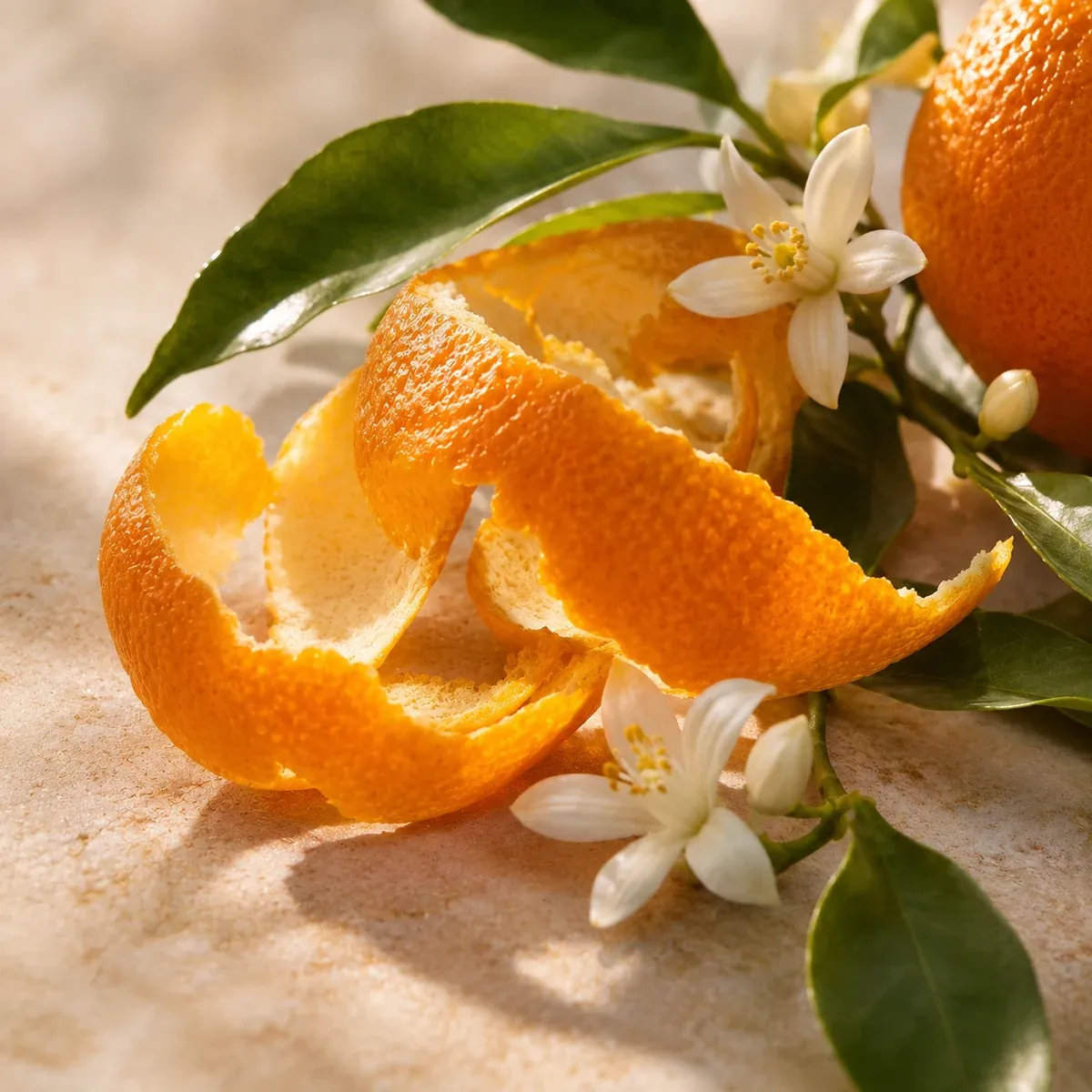
Orange Peel
Citrus sinensis
Orange peel is warm, sweet and zesty, round rather than sharp. Discover the cheerful citrus that brightens ambers and gourmands.
What does orange peel smell like in perfume?
Orange peel smells warm, sweet and cheerful, like zest twisted over a cup of hot chocolate. It is softer and rounder than lemon, and gives a perfume a sunny first impression.
| Botanical name | Citrus sinensis |
|---|---|
| Plant part | Peel of the sweet orange |
| Origin | Brazil, Florida and the Mediterranean |
| Extraction | Cold-pressed from the peel |
| Note | Top |
| Scent family | Citrus & Fresh |
| Odour | Warm, sweet orange zest, cheerful and round |
| Perfume uses | Citrus openings, ambers, gourmands and festive blends |
| Key molecules | Limonene, myrcene, decanal |
| Odour impact | Medium |
| Odour life on a strip | Very short: under an hour |
| Found in | Neroli Nuance |
Used within IFRA limits. Impact and odour life are our own studio guide, judged on a smelling strip.
What Is Orange Peel?
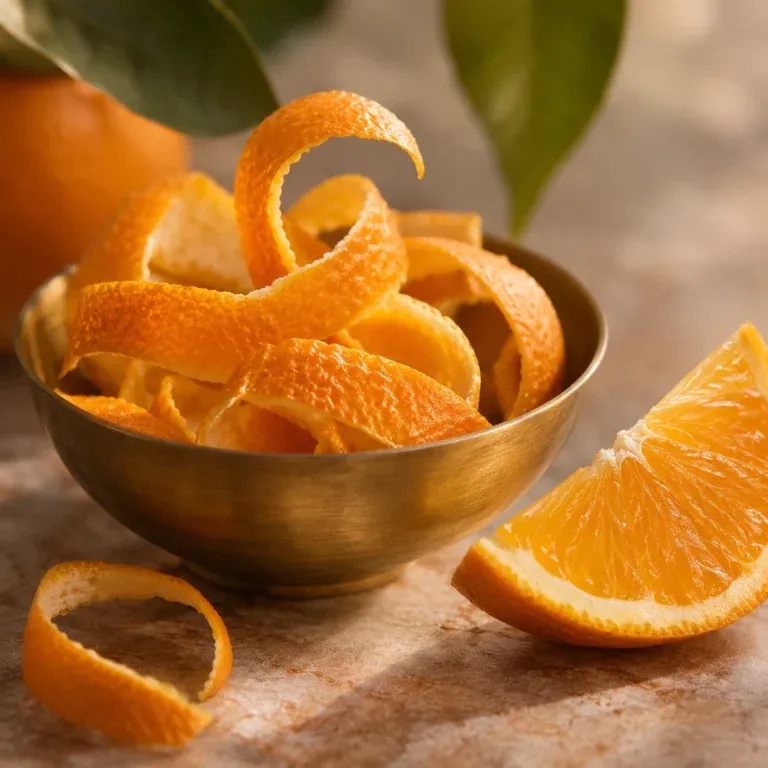
Sweet orange oil is cold-pressed from the peel of Citrus sinensis, the everyday eating orange, mainly in Brazil, Florida and around the Mediterranean. Much of it is made alongside orange juice, which makes it one of the most widely produced citrus oils in the world. Its scent comes mostly from limonene, with a small amount of decanal giving the true, zesty “orange” character.
Orange Peel Scent Profile
Here is how strongly each facet of orange peel comes through, from our own smelling-strip notes.
Sweet
Warm, sugary zest.
Juicy
Ripe, fresh fruitiness.
Warm
A cosy, sunny roundness.
Zesty
A gentle sparkle, softer than lemon.
How Perfumers Use Orange Peel
Orange peel brings warmth and sweetness to an opening and blends easily into ambers, spices and gourmands. Perfumers use it to soften sharper citrus such as lemon and bergamot, and to brighten resinous bases like benzoin. It is also part of the traditional citrus opening of eau de cologne, alongside lemon, bergamot, neroli and petitgrain. Like other pressed citrus oils it fades within an hour, so it shapes the first impression of a perfume.
Orange in the perfumer’s palette
Two orange trees supply perfumers. The sweet orange, Citrus sinensis, gives the familiar orange peel oil described here. The bitter orange, Citrus aurantium, gives a sharper peel oil and much more besides: petitgrain from its leaves and twigs, and neroli and orange blossom from its flowers.
Growing and harvesting orange peel
Most of the world’s sweet orange oil comes from Brazil and the United States, pressed from the peel as a by-product of the orange juice industry. The oil sits in tiny glands in the coloured part of the peel. Because so much fruit is juiced, orange oil is one of the most plentiful natural materials in perfumery.
The molecules behind orange peel’s scent
Orange oil is mostly limonene, which gives a bright but fairly plain citrus smell. The true orange character comes from small amounts of aldehydes, especially decanal, which smells waxy and zesty, like the inside of the peel. Valencene and sinensals add a fresh, juicy depth.
Natural or synthetic orange peel?
Orange is one of the few citrus notes that mainstream perfumes usually take from the natural oil, because it is plentiful and inexpensive. It is often lifted with extra aldehydes. Natural orange oil fades quickly, so perfumers pair it with longer-lasting notes.
Orange peel in history and tradition
Oranges studded with cloves, known as pomanders, have been hung in homes at Christmas for generations to scent the room, and an orange in the Christmas stocking was once a treat. Candied peel goes into Christmas cakes and puddings, and dried orange peel is a classic ingredient in mulled wine. In perfumery, orange has been part of the citrus opening of eau de cologne since the 18th century.
How to smell orange peel yourself
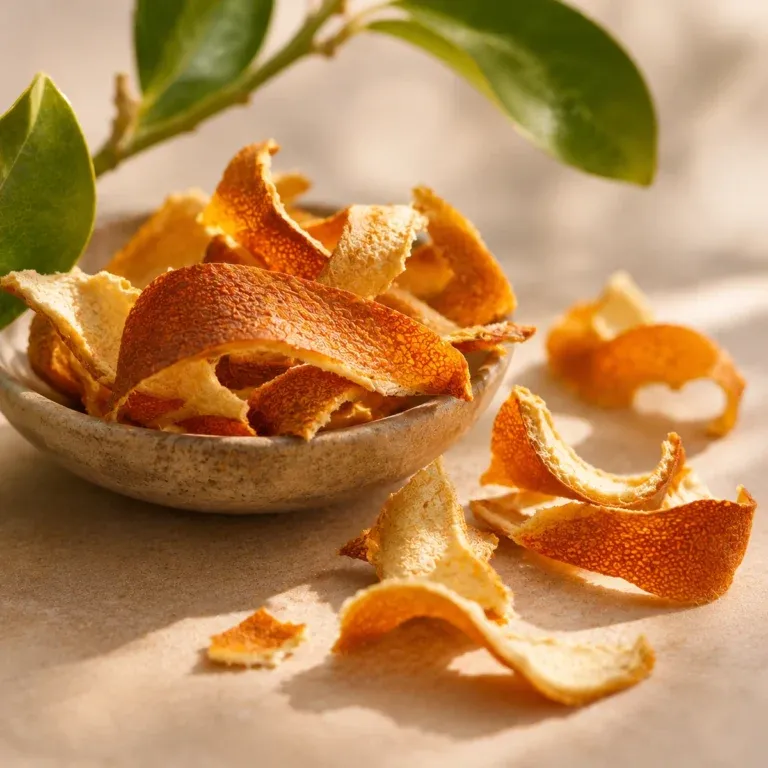
Twist a strip of fresh orange peel over a glass and smell the spray, then smell a piece of dried peel. The fresh peel is bright and juicy; the dried peel is warmer, sweeter and slightly jammy, closer to how orange reads in an amber perfume.
Smell Orange Peel in Prosody London Perfumes
For orange peel at its most expressive, try Neroli Nuance. Here it is used as a tincture, peel steeped in alcohol, alongside green mandarin, blood orange, neroli and orange blossom. You will also find orange peel in the Neroli Nuance hair parfum.
-


Neroli Nuance – Natural Perfume
Price range: £49.00 through £135.00Select options This product has multiple variants. The options may be chosen on the product page -


What Blends Well With Orange Peel?
Questions About Orange Peel
Is orange peel the same as neroli?
No. Orange peel oil is pressed from the fruit of the sweet orange; neroli is distilled from the blossom of a different tree, the bitter orange.
Is orange peel used in colognes?
Yes. Orange is part of the classic citrus opening of eau de cologne, with lemon, bergamot, neroli and petitgrain, where it adds warmth and sweetness.
Does orange peel last long?
It is a top note that fades within the first hour.
What pairs well with orange peel?
Vanilla, benzoin, clove and cinnamon bring out its warm side.
Explore all of our natural perfume ingredients.
