


Myrrh
Commiphora myrrha
Myrrh is bittersweet, balsamic and warm, with a dark, mushroom-like edge. Discover the resin that deepens ambers and incense blends.
What does myrrh smell like in perfume?
Myrrh smells bittersweet, balsamic and warm, with an earthy, slightly bitter edge. It adds a dark, resinous depth to a fragrance.
| Botanical name | Commiphora myrrha |
|---|---|
| Plant part | Gum resin from the bark |
| Origin | Somalia, Ethiopia and Arabia |
| Extraction | Resinoid and steam distillation |
| Note | Base |
| Scent family | Woods & Resins |
| Odour | Bittersweet, balsamic and warm, with an earthy, mushroom-like edge |
| Perfume uses | Ambers, incense and woody blends |
| Key molecules | Furanoeudesma-1,3-diene, curzerene, lindestrene |
| Odour impact | Medium |
| Odour life on a strip | Very long: lasts for days |
| Found in | Bebop Allure, Lantern Reed, Lissom Linden, Pizzicato Bliss, Rose Rondeaux, Santal Foy, Whistle Moon |
Used within IFRA limits. Impact and odour life are our own studio guide, judged on a smelling strip.
What Is Myrrh?

Myrrh is a resin that seeps from cuts in the bark of Commiphora myrrha, a thorny tree of the Horn of Africa and Arabia. The resin hardens into reddish tears, which are distilled or extracted for perfume.
Myrrh Scent Profile
Here is how strongly each facet of myrrh comes through, from our own smelling-strip notes.
Balsamic
Warm, resinous sweetness.
Bitter
A bittersweet, herbal edge.
Earthy
A damp, mushroom-like note.
Warm
A soft, glowing depth.
How Perfumers Use Myrrh

Perfumers use myrrh to add depth, warmth and longevity. It pairs well with frankincense, rose, vanilla and woods, and is a classic in incense and amber blends.
Growing and harvesting myrrh
Myrrh comes from Commiphora trees in Somalia, Ethiopia and Arabia. As with frankincense, harvesters cut the bark and collect the reddish-brown resin once it hardens. The resin is extracted into a resinoid or distilled into an essential oil.
The molecules behind myrrh’s scent
Myrrh’s scent comes largely from a group of molecules called furanosesquiterpenes. Furanoeudesma-1,3-diene gives the warm, bittersweet heart. Curzerene and lindestrene add the earthy, mushroom-like edge that makes myrrh so distinctive.
Natural or synthetic myrrh?
There are few good synthetic substitutes for myrrh, and myrrh notes in mainstream perfumes are often approximated with synthetic ambers and balsams. Natural myrrh is more bitter, earthy and complex, with a dark, resinous warmth.
Myrrh in history and tradition
The name myrrh comes from an ancient Semitic word meaning bitter. Myrrh was an ingredient of kyphi, the incense burned in ancient Egyptian temples. In the Christian story, myrrh was one of the gifts of the Magi, alongside gold and frankincense.
How to smell myrrh yourself
Myrrh resin is sold by church suppliers and some spice shops, often alongside frankincense. Smell a piece of each. Myrrh is darker, sweeter and more bitter, with an earthy depth, while frankincense is brighter and more lemony.
Smell Myrrh in Prosody London Perfumes
For myrrh at its most expressive, try Whistle Moon. Myrrh deepens the base with oakmoss, adding warmth beneath neroli and cinnamon. You will also find myrrh in Bebop Allure, Lantern Reed, Lissom Linden, Pizzicato Bliss, Rose Rondeaux and Santal Foy.
-


-
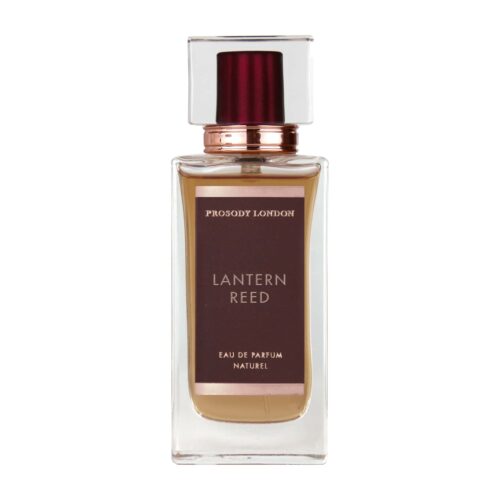

Lantern Reed – Natural Perfume
Price range: £49.00 through £135.00Select options This product has multiple variants. The options may be chosen on the product page -


-


Rose Rondeaux – Natural Perfume
Price range: £49.00 through £135.00Select options This product has multiple variants. The options may be chosen on the product page -


Santal Foy | Natural Eau de Parfum
Price range: £55.00 through £189.00Select options This product has multiple variants. The options may be chosen on the product page -


What Blends Well With Myrrh?
Questions About Myrrh
What does myrrh smell like?
Myrrh smells warm, resinous, earthy and bittersweet, with subtle medicinal, woody and sometimes smoky nuances. In perfume, it adds balsamic depth and warmth without becoming overly sweet.
What is the difference between myrrh and frankincense?
Both are aromatic tree resins, but frankincense is generally brighter, with citrusy, pine-like and incense facets. Myrrh is typically darker, warmer and more bittersweet, with earthy, balsamic and sometimes medicinal nuances.
Is myrrh a base note?
Yes. Myrrh is a long-lasting base note that anchors a perfume and adds warmth to the drydown.
What pairs with myrrh?
Frankincense, rose, vanilla and sandalwood.
Explore all of our natural perfume ingredients.
