


The conversation around clean perfume has evolved far beyond marketing buzzwords. Today, it sits at the intersection of skin health, ingredient transparency, and long-term exposure awareness—especially for men, who often wear fewer products but apply fragrance daily.
As consumers question what “clean” really means in perfumery, a critical distinction emerges: natural essential oil–based perfumes versus synthetic aroma-chemical compositions. While the industry often treats them as equivalent, they are fundamentally different in how they behave on skin and within the body.
This article explores what defines clean perfume, what is typically removed, why the “naturals vs synthetics are the same” argument is incomplete, and why 100% natural perfume offers unique advantages for men’s health. We then recommend six standout clean perfumes that embody these principles.
What Is Clean Perfume?
At its core, clean perfume refers to fragrances formulated with heightened attention to ingredient safety, transparency, and long‑term biological impact. Thus, clean perfume prioritizes ingredient clarity and reduced chemical burden, rather than simply achieving maximum longevity or projection at any cost.
While there is no single regulatory definition of clean perfume, the term generally implies the removal or limitation of certain controversial ingredients, including:
- Certain synthetic musks (e.g., galaxolide, tonalide, musk xylene/keto compounds) that persist in the environment and may bioaccumulate in human tissue and water systems, raising concerns about long‑term exposure and endocrine activity. Safe Cosmetics+1
- Phthalates and plasticizers used to help fragrances blend and adhere to skin, which are linked to hormone disruption, reproductive effects, and metabolic issues in broader toxicology studies. PMC+1
- Undisclosed “fragrance” blends that can contain dozens of volatile organic compounds (VOCs) with poorly understood cumulative effects. PubMed
- Petroleum‑derived fixatives and solvents with bioaccumulative and environmental persistence issues. greenpeace.to
- Ingredients associated with endocrine disruption or persistent environmental buildup. MDPI
Clean perfume emphasizes ingredient transparency, often disclosing full ingredient lists rather than hiding complex blends behind the vague term “fragrance.” It also tends to favor plant‑derived essential oils and naturally occurring aroma compounds, which provide multi‑constituent biochemical ecosystems rather than isolated synthetic molecules.

Why Removing These Ingredients Matters for Men’s Health
Fragrance ingredients are absorbed through the skin and inhaled with every use, meaning repeated daily exposure — especially over years — can contribute to a person’s overall chemical burden. According to a narrative review of perfume and cosmetic product impacts, synthetic fragrance chemicals have been associated with allergies, respiratory issues, endocrine disruption, reproductive problems, and possibly cancer‑related pathways, although research is ongoing and complex. PubMed
In particular, synthetic musks — widely used for their long‑lasting scent and fixative properties — are persistent in the environment and in human tissue, and have been detected in blood and fat samples long after exposure. They have demonstrated endocrine‑modulating activity in laboratory studies and can interfere with hormone receptors in cell models, raising concerns about subtle biological effects with chronic exposure. PubMed+1
Phthalates — another class of chemicals sometimes present in fragranced products — have been linked in broader toxicology research to hormonal disruption and reproductive effects in males, including reduced testosterone levels and sperm quality in some studies of broader phthalate exposure, though direct data from fragrance use specifically is limited. PMC+1
Estrogenic or androgen‑modulating activity of chemicals in fragrances is especially relevant for men, as hormonal balance plays a critical role in metabolic health, reproductive function, and even mood regulation. Some studies also link endocrine‑disrupting chemicals (EDCs) to neurodevelopmental and metabolic disorders, suggesting that repeated low‑level exposure in daily life could contribute to long‑term health effects. MDPI+1
Importantly, while regulatory bodies (e.g., IFRA) set exposure limits for many fragrance chemicals, and many modern synthetics are considered safe in approved concentrations, consumer concern stems from the cumulative effect of daily exposure to multiple fragrances, cosmetics, and personal care products, and the fact that many ingredients remain undisclosed. Tech Times

How Clean Perfume Formulations Address These Concerns
Clean perfume brands typically avoid the most contentious synthetic fragrance components — such as certain synthetic musks and phthalates — and instead use naturally derived essential oils, resins, and botanicals. These plant‑derived materials are complex mixtures of dozens to hundreds of compounds, many of which interact synergistically, and often include intrinsic antioxidants and anti‑inflammatory constituents that can modulate how skin responds after application (e.g., reducing oxidative stress and irritation on contact with the skin).
This complexity contrasts with many synthetic aroma chemicals, which are often single, isolated molecules — for example, synthetic limonene or linalool — lacking the broader biochemical context of an essential oil’s multiple co‑occurring compounds. The presence of natural antioxidants, phenols, and terpenes in essential oils may slow oxidation and calm inflammatory processes at the skin level, contributing to a different biological interaction than a single synthetic isolate would elicit.
What Is Being Removed in Clean Perfume Formulations?
Many modern “clean” perfumes—both natural and synthetic—remove:
- Nitro musks and older polycyclic musks
- Phthalates traditionally used to extend wear
- Heavy solvent systems
- Certain aldehydes and stabilizers associated with irritation
However, an important distinction must be made:
Removing ingredients does not automatically make a perfume biologically supportive.
This is where the conversation often stops too early.
Why “Naturals vs Synthetics = The Same” Is an Oversimplification
The fragrance industry often argues:
“A molecule is a molecule—limonene is limonene.”
This statement is chemically correct but biologically incomplete.
The Missing Context
Synthetic aroma chemicals are typically:
- Single, isolated molecules
- Petrochemically derived
- Designed for odor performance only
- Lacking intrinsic antioxidants or modulators
Natural essential oils, by contrast, are:
- Chemically complex systems (dozens to hundreds of compounds)
- Composed of terpenes, esters, phenols, sesquiterpenes, and trace acids
- Naturally accompanied by antioxidants and anti-inflammatory agents
Skin does not respond to isolated molecules the same way it responds to biochemical ecosystems.

Essential Oils Contain Intrinsic Antioxidants
Lavender
Lavender oil contains:
- Linalool (calming)
- Linalyl acetate (anti-inflammatory)
- Terpinen-4-ol (antimicrobial)
- Trace polyphenols with antioxidant activity
Lavender has demonstrated antioxidant and anti-inflammatory effects in skin models, helping counter oxidative stress rather than simply adding scent.
Sandalwood (Santalum album)
True sandalwood contains:
- α-santalol and β-santalol
These compounds have been studied for:
- Anti-inflammatory effects
- Antioxidant activity
- Skin-soothing and barrier-support properties
Synthetic sandalwood molecules replicate odor, not biochemical function.
Vetiver
Vetiver oil contains:
- Vetiverol
- Vetivone
- Sesquiterpenes with free-radical scavenging activity
Vetiver has demonstrated antioxidant and calming effects, making it particularly valuable in grounding base accords for sensitive skin.

Benzoin Resin
Benzoin contains:
- Benzoic acid
- Vanillin
- Cinnamic acid derivatives
Historically used in skin preparations, benzoin is naturally antioxidant, mildly antiseptic, and acts as a protective resinous buffer within fragrance blends.

Antioxidant Synergy in Natural Perfume Blends
This is the strongest scientific argument for 100% natural clean perfume.
When you blend:
- Lavender (anti-inflammatory)
- Sandalwood (antioxidant, soothing)
- Vetiver (free-radical scavenger)
- Benzoin (resinous antioxidant)
You create phytochemical synergy, where:
- Different compounds neutralize different reactive oxygen species
- Some slow oxidation of other components
- Others calm inflammation at the skin level
This synergistic buffering cannot be replicated by synthetic accords, which are engineered solely for scent performance and rely on external stabilizers rather than internal biochemical balance.

Oxidation: The Real Issue in Fragrance Sensitivity
Many fragrance reactions are caused not by the original molecule, but by oxidation by-products.
Natural essential oils:
- Often contain antioxidants that slow oxidation
- May reduce formation of aggressive hydroperoxides
- Behave differently in balanced blends
Synthetic aroma chemicals:
- Oxidize without intrinsic protection
- Rely entirely on added stabilizers
- Offer no internal antioxidant buffering
This does not mean naturals are allergen-free—but it does mean they have a different risk profile, particularly in well-constructed compositions.
What Is Ultimately the Cleanest Perfume?
| Aspect | 100% Natural Perfume | Synthetic “Clean” Perfume |
|---|---|---|
| Chemical structure | Complex, multi-compound systems | Single isolated molecules |
| Antioxidant presence | Naturally occurring | Absent |
| Oxidation buffering | Intrinsic | External stabilizers only |
| Skin interaction | Biochemical synergy | Odor-only interaction |
| Longevity | Moderate, skin-adaptive | High, engineered |
| Transparency | High | Variable |
From a biological and skin-health perspective, a well-formulated 100% natural perfume aligns most closely with the true spirit of clean perfume.
Clean Perfume Essential Oils for Men’s Health: Hormonal Balance and Libido
A clean perfume for men should prioritize 100% natural ingredients that support wellness, avoid toxic chemicals, and provide therapeutic benefits. These essential oils are ideal for health-conscious men, offering aroma, mental support, and hormonal and libido benefits.
Agarwood (Oud) Essential Oil
Origin & Background:
Agarwood is obtained from the resinous heartwood of Aquilaria trees. Its oil, Oud, is highly valued for its rich, complex aroma and traditional medicinal uses.
Men’s Health Benefits:
- Hormonal Balance & Libido: Studies suggest agarwood’s aromatic compounds may help modulate stress hormones and enhance sexual desire.
- Stress Relief & Relaxation: Supports emotional calm and reduces anxiety.
- Antioxidant & Anti-Inflammatory: Protects cells from oxidative stress, promoting overall wellness. (Frontiers in Pharmacology, 2024)
- Antimicrobial: Supports skin hygiene and immune defense. (MDPI, 2011)
Why It’s Ideal for Clean Perfume:
Oud is natural, grounding, and safe for clean perfumes, offering a masculine, therapeutic scent that may support libido and hormone balance.
Sandalwood Essential Oil
Origin & Background:
Extracted from Santalum species, sandalwood is a classic men’s fragrance ingredient and traditional medicinal oil.
Men’s Health Benefits:
- Hormonal Balance: Aromatic compounds can influence endocrine activity and may support testosterone balance.
- Mood & Stress Support: Promotes calm and mental clarity.
- Skin Health: Anti-inflammatory and soothing for skin.
Why It’s Ideal for Clean Perfume:
Its warm, creamy aroma complements Oud, offering a grounding scent that supports hormonal balance and overall male wellness.

Cedarwood Essential Oil
Origin & Background:
Cedarwood oil comes from Cedrus species, long used in grooming and aromatherapy for men.
Men’s Health Benefits:
- Hormonal & Libido Support: Cedrol compounds may help regulate hormones and support sexual vitality. (PMC7520654)
- Calming & Mood Enhancing: Helps reduce anxiety and improve focus.
- Skin Benefits: Antimicrobial and anti-inflammatory properties.
Why It’s Ideal for Clean Perfume:
Cedarwood’s masculine woodiness adds depth while potentially supporting libido and hormone health.
Frankincense Essential Oil
Origin & Background:
Derived from Boswellia resin, frankincense has been used for centuries for spiritual and health purposes.
Men’s Health Benefits:
- Hormonal Balance & Libido: May support endocrine function, reduce stress-related cortisol, and enhance sexual health. (Dr. Axe)
- Anti-Inflammatory & Immunity: Supports overall wellness and reduces inflammation.
- Mental Clarity & Relaxation: Ideal for meditation and stress reduction.
Why It’s Ideal for Clean Perfume:
Frankincense adds resinous depth and therapeutic benefits, making it perfect for a health-conscious, libido-supporting fragrance.
Clary Sage Essential Oil
Origin & Background:
Clary sage (Salvia sclarea) is an herbal essential oil with documented effects on hormones and mood.
Men’s Health Benefits:
- Hormonal Balance & Libido: Known to influence testosterone and support sexual desire while stabilizing mood.
- Anti-Inflammatory & Skin Support: Helps maintain healthy skin and reduces inflammation.
- Stress Reduction: Supports emotional balance and relaxation.
Why It’s Ideal for Clean Perfume:
Its herbal-floral aroma adds brightness and complexity while supporting hormonal balance and libido naturally.
Ylang Ylang (Cananga odorata)
Origin & Background:
Ylang Ylang is a tropical floral essential oil traditionally used in aromatherapy for its calming and aphrodisiac properties.
Men’s Health Benefits:
- Hormonal Balance & Libido: May help modulate testosterone and enhance sexual desire while supporting mood stability (PMC6313446).
- Stress Reduction & Relaxation: Promotes emotional balance, reducing anxiety and tension.
- Cardiovascular Support: Can aid in lowering blood pressure and supporting overall circulation.
Why It’s Ideal for Clean Perfume:
Its sweet, exotic floral aroma creates a luxurious, uplifting scent while naturally supporting hormonal balance and libido, making it perfect for clean perfumes designed for men.
Top 6 Clean Perfumes for Men (100% Natural Focus)
1. Oud Octavo – Prosody London
A rich, woody, hormone-supportive blend of natural oud, cedarwood, frankincense, and labdanum. Its grounding aroma can reduce stress, enhance emotional balance, and support libido, making it ideal for evening wear and confidence-boosting moments.

2. Mocha Muscari – Prosody London
A grounding, antioxidant-rich composition where coffee, florals, and woods converge. This warm, comforting scent can enhance mood stability and may indirectly support libido and vitality through stress reduction and relaxation.

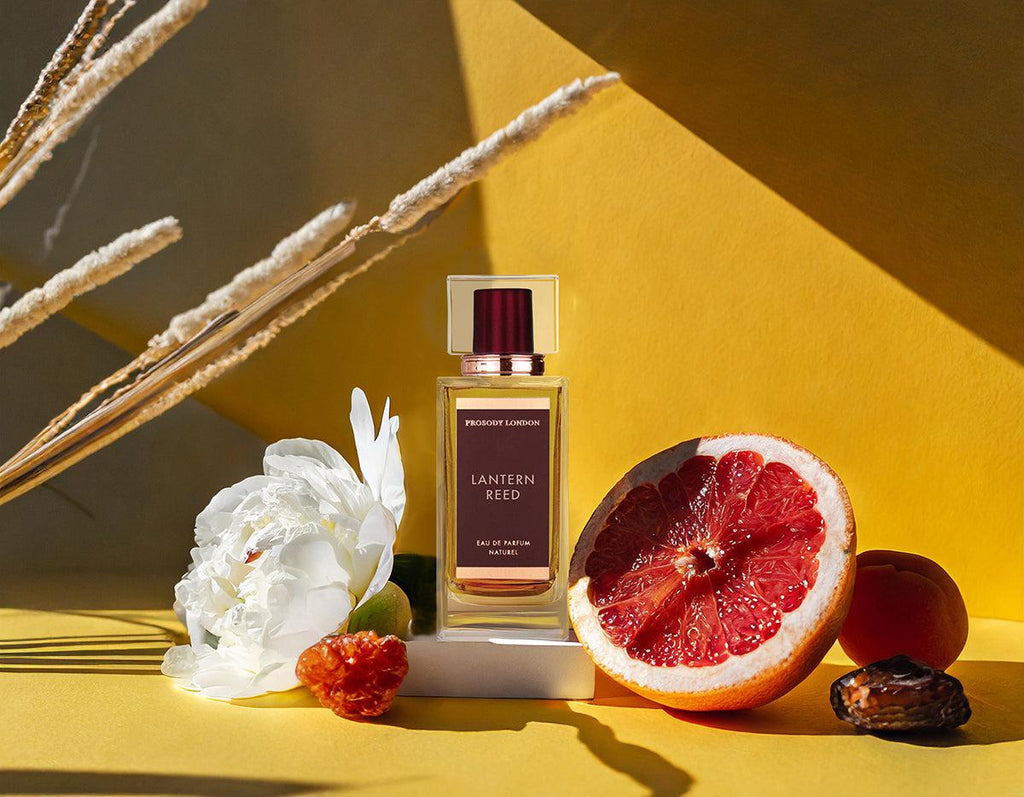
3. Lantern Reed – Prosody London
Bright citrus notes are balanced by vetiver and cedarwood, demonstrating how freshness and grounding can coexist. The woody undertones are known to support hormonal balance and male wellness, making it ideal for health-conscious men seeking a clean, energizing scent.
4. Santal Foy – Prosody London
A refined sandalwood-led fragrance emphasizing smoothness, warmth, and skin compatibility. Sandalwood’s aromatic compounds are linked to hormone regulation and libido support, creating a natural, masculine scent without synthetic additives.

5. Trevi Rose – Prosody London
A modern rose with depth and restraint, enriched with resins and woods. Its naturally balancing aroma helps reduce cortisol levels, supports emotional calm, and provides subtle libido-enhancing benefits in a clean, unisex-friendly formula.

6. Paper Flower Fan – Prosody London
Delicate yet structured, highlighting natural florals and woods. This fragrance promotes mental clarity and stress relief while remaining completely free of synthetic chemicals, offering a healthy, contemporary scent for men.

Final Thought
Clean perfume is not just about what is removed—it’s about what is present.
While both natural and synthetic fragrance ingredients can cause sensitization, natural essential oils offer a fundamentally different biochemical context, one that includes antioxidants, anti-inflammatory compounds, and modulators that work together on skin.
Treating naturals and synthetics as functionally identical ignores chemical complexity, synergy, and biological interaction—the very factors that determine how fragrance truly behaves on the body.
For men seeking a fragrance that aligns with health, transparency, and long-term skin comfort, 100% natural clean perfume remains the most coherent definition of clean.
FAQ on Clean Perfume
Q1: What makes a perfume “clean”?
Answer:
Clean perfumes prioritize safety, transparency, and sustainability. They avoid harmful chemicals such as parabens, phthalates, synthetic musks, and formaldehyde. Instead, clean perfumes rely on natural, plant-based ingredients, organic essential oils, and responsibly sourced botanicals. Clean doesn’t mean less luxurious—it simply ensures a safer, healthier, and eco-conscious fragrance experience.
Q2: Are clean perfumes less long-lasting than conventional perfumes?
Answer:
Natural perfumes may have a lighter sillage compared to synthetic-heavy fragrances, but they offer a subtle, evolving scent that interacts with your skin uniquely. Long-lasting natural perfumes achieve depth through high-quality essential oils, resins, and botanicals, often with careful layering of base, heart, and top notes. Many 100% natural perfumes can last for hours while remaining gentle and non-toxic.
Q3: Can clean perfumes be used by sensitive skin types?
Answer:
Yes. Because clean perfumes avoid synthetic irritants, harsh alcohols, and artificial dyes, they are often better tolerated by sensitive skin. Natural ingredients like essential oils, resins, and botanical extracts provide fragrance without triggering irritation, making clean perfumes ideal for daily wear.
Q4: Are clean perfumes always vegan and cruelty-free?
Answer:
Most clean perfumes emphasize ethical production, using plant-based ingredients and avoiding animal-derived materials. Many also adhere to cruelty-free standards, ensuring no animal testing. Look for certifications like Vegan Society, Leaping Bunny, or explicit brand statements confirming their ethical and sustainable practices.
Q5: How can I transition from conventional to natural perfumes?
Answer:
Start by sampling 100% natural perfume lines or single-note essential oil blends to familiarize yourself with how natural scents evolve on your skin. Many natural perfumes are versatile and unisex, offering layered, complex aromas. Choosing sustainable, organic brands ensures you experience quality without compromising safety or environmental values.
Q6: What are the environmental benefits of clean perfume?
Answer:
Clean perfumes minimize ecological impact by avoiding synthetic musks, petrochemical ingredients, and harmful preservatives that persist in water and soil. 100% natural perfumes use renewable resources, biodegradable ingredients, and eco-conscious packaging, reducing carbon footprint and protecting ecosystems. Choosing natural fragrances supports biodiversity and encourages ethical sourcing practices.
Q7: How can I identify a truly clean perfume?
Answer:
A truly clean perfume emphasizes natural, non-toxic ingredients and avoids synthetic chemicals, parabens, phthalates, and artificial musks. Look for brands that highlight 100% natural compositions made from organic essential oils, plant extracts, and sustainably sourced botanicals. These perfumes often use natural alcohol or carrier oils instead of petrochemical bases. Transparency is key: brands that openly share their full ingredient list and sourcing practices demonstrate a commitment to health, sustainability, and quality. Additionally, most 100% natural perfumes are vegan, cruelty-free, and environmentally conscious, making them safer for both your skin and the planet.
Q8: Can clean perfumes be layered?
Answer:
Yes. Natural and clean perfumes often have well-defined top, heart, and base notes, allowing you to layer complementary scents safely. Unlike synthetic-heavy fragrances, natural oils interact harmoniously on the skin, offering a personalized and evolving fragrance experience without harmful chemical reactions.
Q9: Are natural perfumes more expensive than conventional ones?
Answer:
Generally, yes. The cost reflects the use of high-quality, organic essential oils, sustainably sourced botanicals, and small-batch artisanal production. Investing in natural perfume supports ethical practices, environmental responsibility, and long-lasting, high-quality fragrances that are safer for your health.
Q10: Why should I choose 100% natural perfumes over synthetic ones?
Answer:
100% natural perfumes offer a safer, healthier alternative free from harmful chemicals, while providing luxurious, complex scent profiles. They support sustainable sourcing, ethical production, and environmental responsibility. Choosing natural perfumes ensures a personalized, skin-friendly, and eco-conscious fragrance experience that conventional synthetic perfumes cannot match.