


Interest in essential oil for sexual arousal has grown significantly, blending ancient aromatic traditions with modern wellness pursuits and emerging scientific inquiry. Many seek natural enhancements for intimacy, wondering if scents can influence desire, mood, or even physiological responses. Online searches reflect this curiosity, with rising queries prioritizing evidence over hype. This in-depth article examines the research landscape, neurological mechanisms, prominent oils, evidence gaps, safety, and artistic applications in perfumery—focusing on psychological mood benefits while avoiding unsubstantiated claims.
While preliminary studies hint at subtle emotional effects that may support intimacy, essential oil for sexual arousal lack proof as medical treatments for libido or dysfunction. Professional medical advice remains essential for sexual health concerns.
Defining Sexual Arousal in Research Contexts
Scientific studies distinguish physiological arousal (e.g., genital blood flow, hormone surges like testosterone or oxytocin) from psychological arousal (e.g., subjective desire, emotional engagement, reduced anxiety). Research on essential oils for sexual arousal overwhelmingly targets the psychological side, using self-reported scales rather than objective metrics like vaginal photoplethysmography or penile plethysmography.
For example, aromatherapy trials often report improved mood or perceived intimacy, indirectly fostering conditions for arousal. Neuroimaging reveals scent-activated limbic pathways, potentially linking aromas to motivation and reward centers.
Why Scent Uniquely Influences Emotion and Perception
Olfaction bypasses higher cortical processing, routing directly to the amygdala (emotion), hippocampus (memory), and hypothalamus (hormonal regulation). This explains why essential oils for sexual arousal discussions emphasize associative, mood-altering effects over direct physiological ones.
Certain aromas evoke personal memories or cultural romance symbols, amplifying subjective responses. Evolutionary perspectives suggest scents signal mate compatibility, though human evidence remains correlational.
Key Essential Oils Discussed in Arousal-Related Research
Researchers examine several essential oils for sexual arousal for potential links to mood enhancement, stress reduction, and subjective sexual arousal. These effects primarily remain psychological, stemming from olfactory pathways influencing the limbic system. Evidence stays preliminary, with most studies featuring small samples, short durations, and self-reported outcomes. No oil has robust clinical proof for treating low libido or sexual dysfunction.
Jasmine Essential Oil for Sexual Arousal
Jasmine (Jasminum grandiflorum or Jasminum officinale) absolute offers a rich, indolic, intensely floral profile with sweet, fruity, and slightly animalic facets—often described as intoxicating and romantic.
Traditionally regarded as a powerful aphrodisiac across many cultures, jasmine has been revered as the “perfume of love” in Hindu and Muslim traditions. In India, jasmine garlands or flowers adorn newlyweds’ rooms or beds to enhance romance, intimacy, and divine hope, while the love god Kama tips his arrows with jasmine blossoms to arouse desire. Ancient Persians called it “yasmin” (gift from God), and it was prized in Egypt, China (symbolizing the sweetness of women), and Arabia for its seductive, libido-boosting qualities—often used in rituals, perfumes, and offerings to evoke passion and emotional closeness.
Delicate white jasmine flowers are the source of this luxurious absolute, harvested at night when their scent is strongest (“Queen of the Night”).
A 2025 randomized controlled trial compared jasmine and clary sage aromatherapy in reproductive-age women with sexual dysfunction. Both oils significantly improved Female Sexual Function Index scores (desire, arousal, lubrication, orgasm, satisfaction, pain) versus controls, with jasmine showing notable overall gains.
Earlier small trials, such as a 2010 study on aromatherapy massage with jasmine oil, indicate inhalation or topical application elevates mood, alertness, and self-rated arousal—participants felt more vigorous and attentive while showing increased autonomic signs like breathing rate and blood oxygen saturation.
Studies also link jasmine (among other oils) to minor salivary testosterone increases in perimenopausal women. Compounds like benzyl benzoate are discussed in the 2025 trial as potentially interacting with estrogen receptors, indirectly supporting libido—though this mechanism requires further validation and remains speculative.
Samples typically stay small (under 100 participants), effects short-term, and measures largely subjective. No high-quality evidence supports jasmine as a clinical treatment for low libido—benefits appear context-dependent and variable.

Ylang-Ylang Essential Oil for Sexual Arousal
Ylang-ylang (Cananga odorata) delivers an exotic, custard-like sweetness with creamy floral notes and balsamic undertones, traditionally tied to euphoria and sensuality.
The tree’s distinctive yellow flowers are the primary source of this richly aromatic oil.
Its key compound, β-caryophyllene (comprising 15–33% of the oil), significantly increased salivary testosterone levels in women during olfactory exposure in a 2020 clinical study. Participants also reported enhanced perceptions of libido and vaginal sensation during intercourse, hinting at a potential pheromone-like role—though mechanisms and long-term effects need more research.
Inhalation consistently reduces stress, lowers systolic and diastolic blood pressure, decreases heart rate, and promotes feelings of calmness and euphoria. A separate trial confirmed a relaxing effect after transdermal absorption and inhalation, with participants experiencing decreased autonomic arousal alongside heightened alertness—a signature “harmonizing” profile.

Traditional Indonesian uses position ylang-ylang as a powerful aphrodisiac: fresh flowers are scattered on newlyweds’ beds to enhance sexual euphoria, reduce anxiety, and foster intimacy .
Animal studies support pro-sexual effects, with β-caryophyllene exposure increasing lordosis (receptive posture) in female rodents—indicating behavioral enhancement.
Human trials further show mood uplift and self-esteem boosts: a pilot study found cutaneous application or inhalation significantly improved self-esteem scores over 90 days while reducing anxiety. These psychological gains indirectly clear mental barriers to intimacy, such as performance anxiety or low confidence.
Direct physiological links to sexual arousal remain sparse and preliminary—most benefits arise from profound relaxation and emotional balance rather than direct hormonal or genital responses.
Effects vary by distillation grade (Extra is sweetest and most euphoric; Complete offers a fuller, longer-lasting profile) and individual sensitivity. Overuse—especially in high concentrations or prolonged diffusion—can trigger headaches, nausea, or skin sensitization due to its potency .
Rose oil for sexual arousal

Damask rose (Rosa damascena) otto or absolute provides a deep, luxurious rosy scent with honeyed, fruity, and spicy nuances—symbolizing romance and love across cultures.
The delicate pink petals of the Damask rose are harvested early in the morning for distillation into precious otto or absolute.
Traditionally revered as a potent aphrodisiac and heart-opening symbol, rose has embodied love, beauty, and sensuality since ancient times. Cleopatra famously perfumed her sails, chambers, and body with rose to seduce Mark Antony, reportedly filling rooms with rose petals and using its intoxicating aroma to evoke passion. In Persian culture (where distillation originated), rose was a luxurious ritual element for emotional openness and desire. Ayurvedic and Iranian traditional medicine valued it for boosting libido, treating infertility, and bringing happiness/self-confidence—often seen as a sensual agent that enhances emotional closeness and reduces barriers to intimacy.
A 2025 systematic review and meta-analysis on Rosa damascena aromatherapy found it significantly reduced anxiety symptoms (SMD = −1.31), stress (SMD = −0.76), mean arterial pressure, and improved sleep quality (SMD = −2.10), with minimal effects on depression.
Individual trials show lowered depression, anxiety, and hemodynamic stress markers in various populations (e.g., preoperative patients, hemodialysis). Inhalation decreases prefrontal cortex activity tied to negative emotions, promoting comfort, emotional openness, and a sense of wellbeing—potentially fostering greater intimacy by alleviating inhibitors like stress or low mood. Its romantic symbolism further amplifies perceptions of closeness and connection.
Direct ties to physiological sexual arousal remain limited; benefits are primarily psychological (mood regulation, reduced cortisol that can suppress desire). No robust evidence supports reliable libido increases or clinical treatment of sexual dysfunction—effects are supportive and variable.
Clary Sage Essential Oil for sexual arousal
Clary sage (Salvia sclarea) features a herbaceous, earthy, slightly nutty aroma with musky undertones—known for its hormonal-balancing and deeply calming effects.
The tall biennial plant produces vibrant purple-bracted flowers and large leaves, distilled into a clear to pale yellow oil.

Traditionally regarded as a potent aphrodisiac in European herbalism, clary sage earned a reputation during medieval times for inducing euphoria, relieving inhibitions, and stimulating sensuality—sometimes considered “almost dangerously” potent. Herbalists included it in love potions (often blended with lavender, valerian, or other herbs) to awaken passion, overcome frigidity or impotence, and enhance emotional openness. Its affinity for the female reproductive system led to uses as a uterine tonic and emmenagogue, supporting menstrual regulation, fertility, and easing menopausal transitions—earning it nicknames like “woman’s choice” or “clear eye” (from medieval eyewash uses, symbolizing clarity in vision and emotion).
A 2025 randomized controlled trial compared clary sage and jasmine aromatherapy in reproductive-age women with sexual dysfunction. Both oils significantly improved Female Sexual Function Index scores (desire, arousal, lubrication, orgasm, satisfaction, pain) versus controls, with clary sage outperforming jasmine specifically in mental arousal, lubrication, and pain reduction domains.
Inhalation significantly lowers cortisol (up to 36% reduction observed in menopausal women) while increasing serotonin (5-HT) levels, yielding antidepressant-like effects and improved mood—particularly beneficial for those with depressive tendencies. It balances autonomic nervous system activity, promoting profound relaxation in reproductive and menopausal contexts.
Traditional uses extend to hormonal regulation (as an emmenagogue and estrogen-modulating agent via sclareol) and inducing euphoria, aligning with its calming yet uplifting profile.
Arousal connections remain primarily psychological—stress and cortisol reduction create favorable conditions for desire and intimacy, without consistent evidence of direct physiological boosts like genital blood flow or hormone surges beyond short-term effects. Benefits are supportive, individual, and context-dependent.
Sandalwood Essential Oil for sexual arousal
East Indian sandalwood (Santalum album) offers creamy, woody warmth with balsamic, milky richness—often described as deeply grounding and meditative.
The precious heartwood of the mature tree yields this viscous, golden oil through distillation, while traditional paste is made from powdered wood.

Traditionally revered as an aphrodisiac in Ayurvedic medicine, sandalwood has been used for centuries to increase libido, particularly in men (including for impotence and low sexual energy), enhance sensuality, and promote emotional connection. Practitioners apply it in massage oils, perfumes, or ritual pastes to heighten desire while providing grounding and vitality—classified as a “vrushya” (aphrodisiac) agent that also supports reproductive health and controls excessive urges in higher doses.
A 2006 study found inhalation of East Indian sandalwood oil and its main compound α-santalol increased physiological arousal parameters (e.g., skin conductance, pulse rate) and self-rated attentiveness, mood, and vigor compared to placebo.
Recent trials, including a 2016 pilot study on stress recovery, confirm sandalwood oils enhance mood and significantly reduce systolic blood pressure, particularly during relaxation phases—aligning with its calming yet alerting profile.
Ayurvedic associations further position it as an aphrodisiac, potentially heightening sensory perception and emotional readiness for intimacy.
Effects depend heavily on individual state, cultural context, and oil quality (due to sustainability issues with overharvesting); no consistent direct biological links to sexual desire or performance exist beyond preliminary findings. Benefits remain supportive and variable.
Lavender Essential Oil for sexual arousal
Lavender (Lavandula angustifolia) provides a fresh, herbaceous-floral scent with calming, soothing balsamic notes—widely prized for deep relaxation. Vibrant purple lavender fields and flowering spikes yield this pale, therapeutic-grade oil through steam distillation.
Traditionally viewed as an herb of love with mixed aphrodisiac and calming properties, lavender has historical ties to romance and sensuality. Ancient Romans scented baths, bodies, and air with it, believing it held aphrodisiac qualities. Medieval Europeans sometimes considered it an aphrodisiac to induce passion, while paradoxically using it to promote chastity (e.g., sprinkling lavender water to maintain fidelity). Cleopatra reportedly incorporated lavender into seductive blends, and it appeared in Victorian romantic sachets or baths to soothe nerves and indirectly enhance intimacy by reducing anxiety.
Systematic reviews and meta-analyses show lavender aromatherapy improves sexual function in menopausal and postmenopausal women, significantly increasing desire, overall Female Sexual Function Index scores, and related domains when used alone or in blends.

A notable study by Dr. Alan Hirsch found the combined scent of lavender and pumpkin pie boosted penile blood flow by up to 40% in men—among the highest increases observed across tested odors.
Recent research links lavender inhalation to reduced anxiety, elevated salivary oxytocin levels (particularly in women), and mood stabilization—indirectly supporting emotional readiness for intimacy by alleviating stress barriers and promoting bonding.
Evidence remains stronger for psychological benefits (anxiety reduction, relaxation); direct physiological arousal ties are limited, often gender-specific, and preliminary. Benefits are supportive and highly individual.
Neroli Essential Oil for sexual arousal
Neroli (from Citrus aurantium bitter orange blossoms) offers a bright, floral-citrus aroma with sweet, honeyed depth and green facets—known for its uplifting yet deeply sedative qualities.
Traditionally associated with purity, romance, and calming bridal nerves, neroli has strong historical ties to weddings and sensuality. In Victorian and Italian traditions, brides wore crowns or bouquets of orange blossoms (the source of neroli) as symbols of virginity, fertility, and everlasting love—believed to soothe anxiety while gently stimulating desire on the wedding night. Ancient Arabic and Mediterranean cultures prized it as an aphrodisiac in perfumes and baths to evoke joy, emotional balance, and intimacy.
A randomized clinical trial in postmenopausal women found neroli oil inhalation significantly increased sexual desire, reduced menopausal symptoms, and lowered blood pressure compared to controls.
Meta-analyses and systematic reviews confirm neroli (often alongside lavender or rose) improves overall sexual function scores in menopausal populations, with notable gains in desire and satisfaction domains.
Phytoestrogenic compounds (e.g., flavonoids) contribute to mood uplift, anxiety reduction, and mild hormonal modulation, fostering greater emotional openness and relaxation—supportive conditions for intimacy.
Benefits are primarily observed in menopausal or stress-related contexts; broader evidence for libido enhancement in general populations remains preliminary and limited. Effects appear psychological and context-dependent rather than direct physiological arousal.

Patchouli Essential Oil for sexual arousal
Patchouli (Pogostemon cablin) delivers an earthy, musky, sweet-woody scent with rich, camphoraceous depth—deeply sensual, grounding, and long-lasting.
Traditionally celebrated as a potent aphrodisiac, patchouli gained widespread fame in the 19th century when imported Indian cashmere shawls arrived in Europe heavily scented with the oil to protect against moths. The intoxicating aroma became synonymous with exotic sensuality and luxury, leading many to believe the scent itself enhanced attraction and desire. In Indonesian and broader Asian traditional medicine, patchouli has been used for centuries to treat low libido, frigidity, and sexual anxiety, often applied in massage oils or burned as incense to stimulate passion, balance emotions, and promote physical closeness. Tantric practices sometimes incorporate it to heighten sensory awareness and prolong intimacy.
Limited human clinical research exists specifically on patchouli and sexual arousal, though small studies on essential oil blends containing patchouli suggest contributions to relaxation and mood enhancement—indirectly supportive of intimacy.
Traditional and anecdotal evidence points to improved circulation, reduced stress, and libido support through its grounding, antidepressant-like properties. Patchouli is frequently cited in aromatherapy texts for relieving depression, anxiety, and sexual inhibition, helping users feel more embodied and confident.
Scientific evidence remains mostly anecdotal or derived from multi-oil studies; direct physiological links to sexual arousal are sparse and preliminary. Benefits appear primarily psychological—fostering emotional security, sensuality, and presence—rather than reliable hormonal or genital responses. Effects are highly individual and context-dependent.

Ginger Essential Oil for sexual arousal
Ginger (Zingiber officinale) provides a warm, spicy, invigorating aroma with fresh, lemony-citrus top notes and earthy undertones—energizing, stimulating, and deeply warming.
Traditionally regarded as a powerful aphrodisiac and vitality booster in both Ayurveda and Traditional Chinese Medicine, ginger has been used for millennia to ignite passion, enhance sexual energy, improve circulation, and treat low libido or impotence. Known as “vishwabhesaj” (the universal medicine) in Ayurveda, it is classified as a warming stimulant that increases “ojas” (vital essence) and supports reproductive health. Ancient texts recommend ginger in massage oils, decoctions, or aphrodisiac formulations to arouse desire, counter fatigue-related sexual weakness, and promote stamina—often combined with honey, milk, or other herbs for heightened effect.
Animal studies demonstrate ginger extract significantly increases sexual motivation, mounting frequency, and erectile function in male rats, with dose-dependent improvements in testosterone levels and reproductive organ weights.
A human pilot study on ginger supplementation (not aromatherapy) showed enhanced testosterone and semen quality in infertile men, while aromatherapy research links inhalation to improved energy, reduced fatigue, and mood uplift—indirectly supportive of intimacy by combating lethargy that suppresses desire.
Direct human evidence for ginger essential oil inhalation on sexual arousal remains limited and preliminary; most benefits are extrapolated from oral use or general stimulating effects on circulation and vitality. Physiological ties appear tied to warming, energizing properties rather than specific hormonal surges from scent alone. Use cautiously due to potential skin sensitization—dilute well and patch-test. Effects are highly individual and context-dependent.

Cinnamon Essential Oil for sexual arousal
Cinnamon (Cinnamomum zeylanicum leaf or bark) offers a sweet-spicy, warm scent—stimulating, comforting, and invigorating.
Rolled cinnamon bark quills and sticks are the classic source, with leaf oil milder and bark richer in intensity.
Traditionally prized as a warming aphrodisiac in Ayurveda and Traditional Chinese Medicine, cinnamon has been used for centuries to enhance sexual performance, treat impotence, low libido, and frigidity—often as a circulatory stimulant to “kindle inner fire” and support reproductive vitality. Ayurvedic texts classify it as a tonic for sexual weakness, while TCM employs it to tonify kidney yang, dispel cold, and address erectile dysfunction or uterine coldness.
Its major compound, cinnamaldehyde, promotes relaxation of smooth muscle function, as shown in a 2019 study on human and rat corpus cavernosum where cinnamon essential oil and cinnamaldehyde induced near-complete relaxation of penile tissue (via NO/cGMP-independent pathways) and restored erectile responses in diabetic rats.
Animal research further demonstrates enhanced sexual performance, motivation, and erectile function—likely tied to improved circulation and anti-anxiety effects from inhalation.
Human ties remain indirect, primarily through stress reduction, mood uplift, and potential circulation benefits that create supportive conditions for arousal.
Highly sensitizing (especially bark oil)—dilute heavily (0.5–1% max) and patch-test; avoid undiluted use or prolonged exposure to prevent irritation.
Folklore Aphrodisiac Resins
These balsamic resins essential oil ofr sexual arousal share a rich history in perfumery, rituals, and traditional medicine as sensual enhancers—valued for their warm, animalic, or sacred scents that evoke intimacy and emotional depth. Effects are folklore-based, with no scientific proof of aphrodisiac action.
- Benzoin: Sweet, vanilla-like warmth; in Southeast Asian and European folk magic, used in love spells to “sweeten” relationships, boost tenderness, and gently arouse affection and desire.
- Myrrh: Bitter-sweet, earthy resin; ancient Egyptian, Biblical, and Greek lore links it to love goddesses (e.g., Aphrodite), used in seduction rituals and perfumes to stimulate passion and fertility.
- Labdanum: Deep, amber-animalic scent; Mediterranean and Arabian folklore praises it for mimicking feminine allure, used in ancient love charms and as an ambergris substitute to heighten sensuality.
- Frankincense: Clean, resinous, lemony-spicy; in Arabian and Indian traditions, burned in temples to invoke divine union and passion, believed to amplify spiritual and physical intimacy.
Safety Considerations for Using Essential Oil for sexual arousal
Essential oils are highly concentrated plant extracts—often 50–100 times more potent than the fresh herb or flower. A single drop can contain the essence from dozens of plants, making improper use risky. When exploring essential oils for sexual arousal or intimacy, safety is paramount: these potent compounds can enhance mood indirectly but pose hazards if mishandled, especially on skin or in sensitive contexts.
Why Dilution Is Essential
Never apply undiluted (“neat”) essential oils to the skin. Undiluted use is the leading cause of adverse reactions, including irritation (redness, burning), sensitization (allergic reactions that may worsen over time), and phototoxicity (severe burns or pigmentation from sun exposure).
Dilution in a carrier (e.g., jojoba, sweet almond, coconut, or fractionated coconut oil) reduces risk while maintaining efficacy—higher concentrations don’t proportionally increase benefits but do heighten dangers.
General safe dilution guidelines (based on Tisserand Institute, IFRA, and aromatherapy standards):
- Facial/sensitive skin — 0.5–2% (3–12 drops per 30ml/1oz carrier)
- Body massage/general use — 2–3% (12–18 drops per 30ml/1oz)
- Localized/short-term — Up to 5% (30 drops per 30ml/1oz)—but rarely needed
- Intimate or highly sensitive areas — Stay at 1% or lower; many experts advise avoiding direct application altogether due to mucous membrane vulnerability. Use on pulse points (wrists, neck) or diffuse instead.
For blends (multiple oils), calculate the total essential oil percentage—e.g., a 2% blend means 2% total oils, not per oil.
Calculation tip: 1% = ~6 drops per 10ml carrier; 2% = ~12 drops per 10ml.
Bridging Science and Art: Accessible Natural Perfume Alternatives
Sourcing pure, high-quality individual essential oils for sexual arousal—such as jasmine absolute, rose otto, or sandalwood—can be challenging, expensive, and technically demanding for home blending. Creating safe, harmonious dilutions requires deep knowledge of chemistry, proper ratios, fixation, and skin safety limits.
For those who prefer convenient, ready-to-wear options that incorporate high proportions of these researched oils in balanced, long-lasting compositions, consider 100% natural perfumes from Prosody London.
These artisanal fragrances are professionally blended using only pure botanicals and are formulated to comply with IFRA (International Fragrance Association) standards. IFRA rigorously tests and sets maximum safe concentration limits for each ingredient to ensure skin safety, preventing irritation, sensitization, or other adverse reactions. This means you don’t need to guess dilutions or worry about over-concentration—giving you complete peace of mind when applying directly to the skin.
Prosody London’s creations interpret mood-associated botanicals through perfumery’s emotional and artistic lens, focusing on sensory pleasure and atmospheric enhancement rather than making therapeutic claims.


Since You Can’t Easily Source and Blend All These Ingredients Yourself: Try Mocha Muscari
Mocha Muscari captivates as an enigmatic gourmand-woody scent, blending intense coffee with mango freshness, jasmine and lavender heart notes, linden blossom sweetness, rose accents, coriander spice, angelica root, frankincense resin, black agarwood depth, and sandalwood creaminess.
This sophisticated harmony incorporates multiple essential oils for sexual arousal staples—jasmine for mood elevation, rose for comfort, sandalwood for grounding—in a seductive, enveloping atmosphere evoking warmth and intimacy.
Since You Can’t Easily Source and Blend All These Ingredients Yourself: Try Rose Rondeaux
Rose Rondeaux radiates romantic floral elegance, opening with juicy raspberry, blackcurrant, bergamot, and iris sparkle, unfolding into luxurious Damask rose heart with geranium and patchouli warmth, anchored by labdanum resin, frankincense, sandalwood muskiness, and subtle copaiba balsam. It contains multiple essential oils for sexual arousal staples including the folklore aphrodisiac.
Centering on rose—one of the most studied for emotional regulation—it artistically amplifies comfort and closeness, blending fruity brightness with woody depth.


Prosody London’s creations offer practical, professional ways to experience these botanicals daily, focusing on sensory pleasure and atmospheric enhancement.

Neroli Nuance by Prosody London: Neroli Reimagined
Prosody London’s Neroli Nuance is a luminous, 100% natural and organic eau de parfum that highlights the bright, uplifting essence of neroli in a fresh, flirtatious Citrus Aromatic composition. It contains multiple essential oils for sexual arousal staples including the folklore aphrodisiac.
Opening with vibrant neroli, mandarin, bergamot, grapefruit, and bitter orange, it blooms into a heart of jasmine sambac, blood orange, and additional neroli layers, before settling into a warm base of orange blossom, sandalwood, labdanum, and benzoin—creating a sun-drenched, Mediterranean-inspired scent that is light, summery, and effortlessly elegant.
Echoing neroli’s traditional bridal associations with romance and gentle sensuality, this fragrance evokes serenity, joy, and emotional openness—qualities that align with research showing neroli inhalation increases sexual desire in postmenopausal women and improves overall sexual function scores, particularly desire and satisfaction.

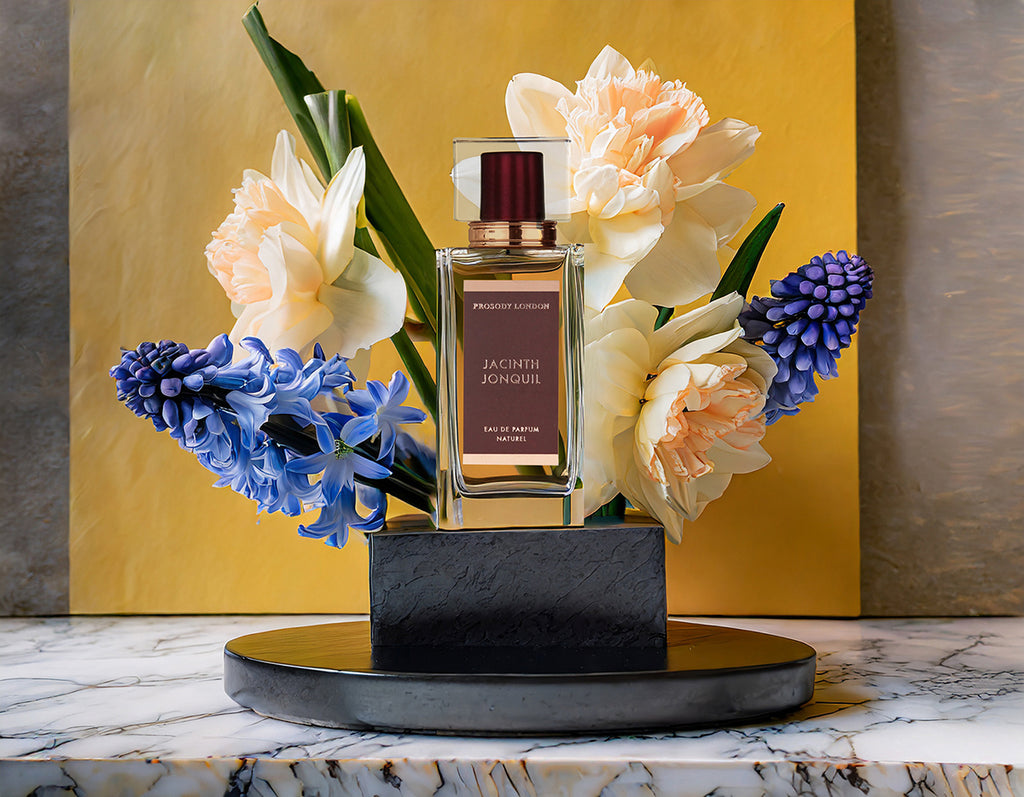
Jacinth Jonquil by Prosody London: Spring Florals Reimagined
Prosody London’s Jacinth Jonquil is a vibrant, 100% natural and organic eau de parfum that captures the fresh, green allure of hyacinth and jonquil (narcissus) in a captivating Floral composition.
Opening with bergamot, hyacinth, and petitgrain, it blooms into a lush heart of jasmine sambac, ylang-ylang, and clove leaf, before settling into a warm base of apricot, gurjun balsam, and frankincense—evoking a breath-of-spring scent that feels idyllic, luminous, and contemporary.
Crafted by perfumer Kershen Teo using premium natural, vegan, and cruelty-free botanicals, Jacinth Jonquil balances crisp freshness with honeyed floral depth for elegant, all-day wear.
It contains several essential oils for sexual arousal staples, including jasmine (mood-elevating and alertness-boosting) and ylang-ylang (relaxing and euphoric), plus folklore aphrodisiacs like labdanum and benzoin (warm, balsamic resins traditionally used to evoke sensuality and emotional closeness).
Echoing the sensual folklore of narcissus/jonquil as love charms, this fragrance evokes renewal, attraction, and vitality—aligning with research on its key florals for indirect mood and intimacy support.
The Multiplicative Benefits of Blended Natural Perfumes
When several essential oils known for relaxation (such as lavender, neroli, or sandalwood) are combined with those carrying stronger traditional or research-backed aphrodisiac qualities (like jasmine, ylang-ylang, rose, or clary sage), the resulting blend can create a multiplicative, synergistic effect. The calming oils reduce stress and emotional barriers that often inhibit desire, while the more sensual notes enhance mood, alertness, and subtle attraction—together fostering a deeper sense of openness, intimacy, and readiness.
Mixing these oils yourself requires precise knowledge of safe dilutions, compatibility, and ratios to avoid irritation or imbalance. In contrast, a professionally crafted 100% natural perfume like those from Prosody London offers significant advantages:
- Expert synergy: Master perfumers carefully balance multiple beneficial botanicals for harmonious, long-lasting effects.
- Safety assured: Formulated to strict IFRA standards, ensuring optimal, skin-safe concentrations without guesswork.
- Convenience and consistency: Ready-to-wear, eliminating the challenges and costs of sourcing pure oils and blending at home.
This thoughtful combination allows you to enjoy amplified relaxation and gentle sensual enhancement in one elegant application—making natural perfumes an effective, effortless way to support emotional wellbeing and intimacy.